
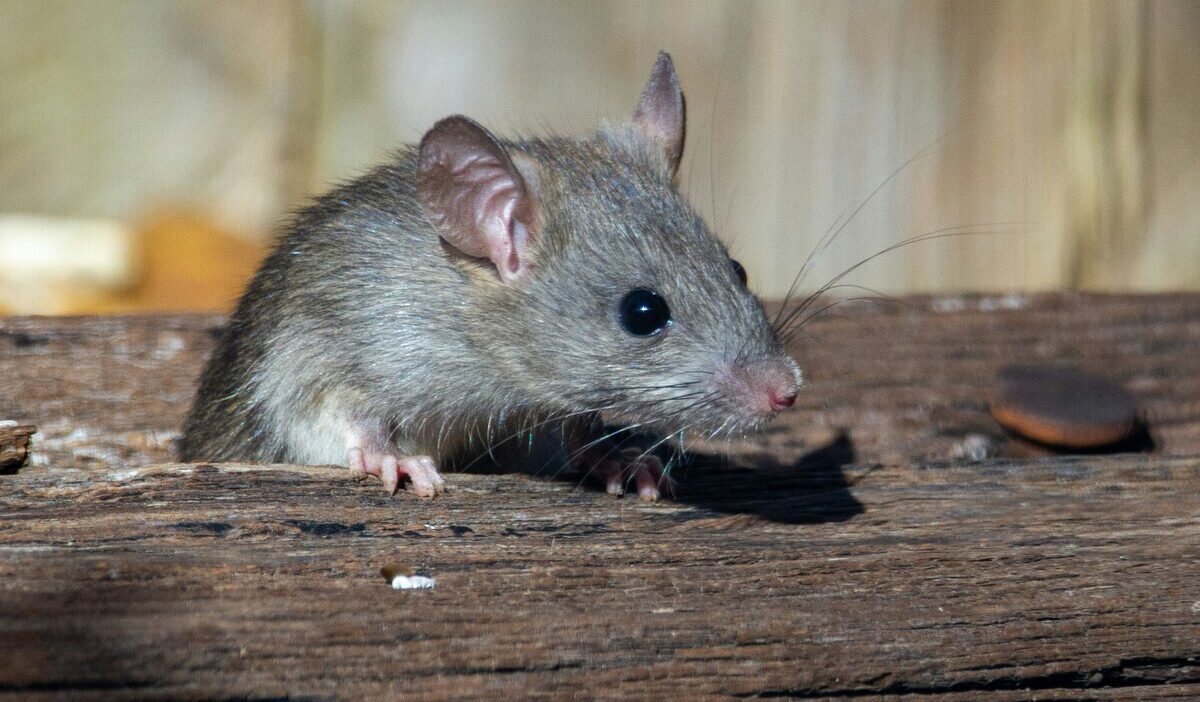
Scratching in the walls at night and droppings behind the stove mean mice are already settled in. This guide shows “how to get rid of mouse in house” with the right traps, tight sealing, and safe cleanup.
1. What Damage and Diseases Can House Mice Cause?
House mice contaminate food, chew wiring, and damage books, furniture, and appliances. Their urine and droppings also carry health risks.
- Disease: House mice can carry salmonella, leptospirosis, and lymphocytic choriomeningitis virus (LCMV), which spreads through fresh urine, droppings, saliva, or nesting material. About 5% of U.S. house mice carry LCMV.
- Allergies: Mouse urine is a major allergen linked to early-onset asthma in sensitive children.
- Fast breeding: A female can have 5 to 10 litters a year, so a small problem grows quickly.

2. Why Do Mice Move In and Where Do They Nest?
Mice enter for food and shelter, and they can squeeze through gaps just over ¼ inch tall.
What Draws Mice Into a Home
These are the most common attractions:
- Easy food: Pet food, birdseed, spilled grain, and open garbage.
- Shelter: Clutter, cardboard, recyclables, firewood, and compost piles.
- Gaps: Openings around pipes, foundations, doors, and utility lines.
Good sanitation rarely eliminates mice on its own, but removing shelter makes large populations hard to sustain.
Signs of Mice and Where They Hide
Mice are mostly active at night, so signs are easier to find than the animals.
- Droppings: Black, about ⅛ to ¼ inch long, and scattered, not piled.
- Gnaw marks: Fresh marks about 1/32 inch wide, and clean-cut holes in cardboard.
- Nests: Shredded paper or fibrous material, often near heat sources such as water heaters, ovens, and refrigerators.
- Sounds and odor: Scratching or squeaking in walls and a musky odor in long-term infestations.
Mice rarely travel more than 30 feet from their nests and food, so search behind appliances and inside cabinets and wall voids.
>>> Read more: How to Get Rid of Voles in Your Yard Before They Cause Costly Damage
3. How to Get Rid of Mouse in House Step by Step
Trapping removes the mice already inside, and sealing keeps new ones out. Here is how to get rid of mouse in house in four steps.
Choose the Right Trap
Snap traps are the best choice for homes. Wooden and plastic models are inexpensive, effective, and avoid hazardous chemicals. Choose a trap with an expanded trigger and set it lightly.
- Glue boards: They mostly catch juveniles, mice may suffer for a long time, and they are hazardous to pets and wildlife.
- Live traps: Extension specialists generally do not recommend them, because relocated mice are stressed and often return.
Place and Bait Traps So Mice Cannot Avoid Them
Mice run along walls, so put traps where they must cross the trigger.
- Place traps along walls, behind objects, in dark corners, and where droppings appear.
- Space them about 10 feet apart, and set pairs 1 to 2 inches apart in busy spots.
- Use enough traps. A new infestation in a 1,500-square-foot home can need about two dozen.
- Use a small dab of peanut butter, chocolate, or dried fruit. Dental floss or a cotton ball on the trigger also works because mice want nest material.
- Leave baited traps unset for a day or two, then set them, and check them each morning.
Seal Every Gap Larger Than ¼ Inch
Sealing is the most lasting control. Use metal or concrete for permanent repairs, since mice gnaw through rubber, plastic, foam, and wood.
Steel wool is a temporary plug that can rust. Use copper mesh or stainless steel fiber for larger gaps, and sealant or mortar over smaller ones.
Check around pipes, vents, utility lines, and the foundation, and make sure doors, windows, and screens fit tightly.
Poison, Ultrasonic Devices, and Cats
These popular options are usually weaker than traps.
- Poison: Single-dose baits are hazardous to children, pets, and wildlife, and mice can die in walls and cause odors. If used, choose tamper-resistant bait stations.
- Ultrasonic devices: Evidence is limited, and mice get used to the sound.
- Cats and dogs: They may catch some mice but rarely control a population, and pet food attracts mice.
4. How to Clean Up Safely After a Mouse Infestation?
Cleaning wrongly can put contaminated dust into the air, so never sweep or vacuum droppings, nests, or urine. Follow the wet method.
- Air out closed spaces for 30 minutes first.
- Wear rubber or plastic gloves, and consider a respirator in heavily infested areas.
- Spray droppings, urine, and nests with a disinfectant or a bleach solution of 1 part bleach to 9 parts water until very wet, and soak for 5 minutes.
- Wipe up with paper towels, then mop or sponge the area with disinfectant.
- Put dead mice, nests, and trap contents in a plastic bag, seal it inside a second bag, and place it in a covered trash can.
- Disinfect gloves, take them off, and wash your hands with soap and warm water.
5. FAQs
Do house mice carry hantavirus?
Rarely. In the United States, hantavirus is carried mainly by deer mice, cotton rats, rice rats, and white-footed mice, not house mice. People are infected by breathing particles from stirred-up dried urine or droppings.
Symptoms such as fever, headache, and muscle aches can appear 1 to 6 weeks later. Seek care right away if you develop fever and trouble breathing after exposure to rodents.
How long does it take to clear a mouse problem?
For how to get rid of mouse in house, a small problem can take up to about 10 days of trapping. Poison baits can need two weeks or more. If mice persist, call a licensed pest control operator.
What should I do if a trap catches a mouse but it is still alive?
Do not release it. Relocated mice rarely survive or can return, and relocation can be illegal in some places. Drowning is not considered humane. Wear gloves, and if you cannot end its suffering quickly and humanely yourself, ask a pest professional, animal control, or a veterinarian for help.
>>> Read more: How to Get Rid of Mice in the House and Block Their Return
6. Final Thoughts
Mice leave when food, shelter, and entry points are gone. The lasting answer to how to get rid of mouse in house is to trap with snap traps, seal every gap, avoid unreliable gadgets, and clean up with the wet method. Call a pest professional if signs continue after two weeks.