How to get rid of mice? Mice are more than a nuisance. They can contaminate food, damage insulation and wiring, and leave droppings or urine in hidden areas.
Because they often move along walls and nest in protected spaces, homeowners may notice signs of activity before seeing an actual mouse.
1. What Is the Fastest Way to Get Rid of Mice?
The fastest practical method is to place correctly sized snap traps along active travel routes while immediately removing food, water, and clutter.
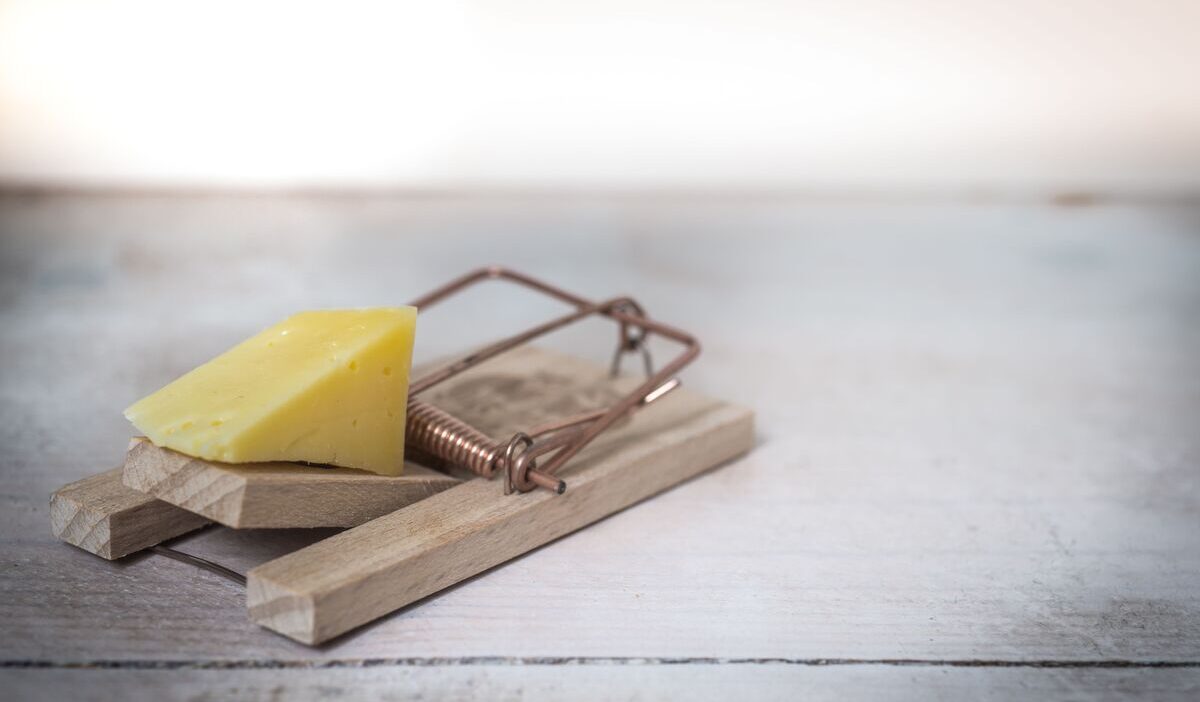
Mice usually move close to walls, cabinets, appliances, and other objects rather than crossing open rooms. Place traps perpendicular to the wall with the baited trigger end facing the wall. Areas with fresh droppings, gnaw marks, nesting material, or damaged food packages should receive the most attention.
Inspect the house at the same time you begin trapping, but avoid sealing a mouse inside an inaccessible wall without a plan for removing it.

2. How to Get Rid of Mice?
A complete mouse-control plan has four parts: inspection, trapping, cleaning, and exclusion.
Then follow these steps:
- Remove exposed food and pet food.
- Store dry goods in thick plastic, glass, or metal containers with tight lids.
- Clean crumbs, grease, spills, and food debris.
- Set snap traps along walls and behind appliances.
- Check traps daily and dispose of captured mice safely.
- Clean contaminated areas using appropriate rodent-cleanup guidance.
- Seal exterior openings after active mice have been removed.
- Continue monitoring for fresh signs.
3. How to Get Rid of Mice Humanely?
Humane control should also account for disease exposure, stress to the animal, and whether the mouse is likely to survive after release.
The CDC recommends traditional snap traps rather than live traps because frightened rodents may urinate, increasing potential exposure to pathogens.
A properly placed snap trap is designed to kill quickly, which may be more humane than prolonged confinement, glue boards, poisoning, or releasing a house mouse into an unfamiliar environment.
Use Live-Capture Traps Correctly
If local rules permit live trapping and you choose this approach despite the CDC guidance, select a trap designed for mice, place it along an active wall route, and use only a small amount of bait.
Do not use glue traps as a substitute. They can leave a mouse alive, injured, and distressed for a prolonged period.
Check Traps Frequently
Check live traps several times a day. A confined mouse can quickly experience dehydration, heat stress, cold exposure, or panic.
Wear disposable gloves when handling the trap and avoid direct contact with the animal, urine, or droppings. Clean and disinfect the trap according to its instructions before reuse.
Release Mice Safely and Legally
Wildlife-release rules vary by state and locality. Some jurisdictions restrict relocating captured animals because relocation can spread disease or cause ecological and animal-welfare problems.
Before releasing a mouse, check local public-health, animal-control, or wildlife-agency guidance. Never release it inside another building, near a neighbor’s property, or in a place where it may immediately enter another home.
>>> Read more: How to Get Rid of Fruit Flies and Keep Them From Coming Back
4. How to Get Rid of Mice in Walls?
Scratching, rustling, or gnawing inside a wall does not always identify the exact animal, but mice commonly use wall voids as protected travel routes or nesting locations.
Confirm the Activity Is Inside the Wall
Listen for activity at night and check nearby rooms for droppings, food damage, rub marks, or openings. Sounds may also come from the ceiling, ductwork, attic, plumbing chase, or floor cavity.
Do not cut into the wall based only on noise. Confirm nearby mouse evidence first.
Find Nearby Entry and Exit Points
Inspect around plumbing pipes, electrical lines, floor vents, cabinet gaps, baseboards, attic openings, and foundation penetrations.
Mice can squeeze through an opening approximately one-quarter inch wide, about the width of a pencil. Dark or greasy marks around a gap may indicate repeated use.
Place Traps Along Adjacent Routes
What do mice hate most? Place traps where mice emerge from the wall rather than inside inaccessible cavities.
Useful locations include behind the refrigerator or stove, beneath sinks, inside the back of cabinets, near utility openings, and along baseboards. Keep the baited end against the wall.
Avoid Sealing an Active Mouse Inside
Do not permanently close every suspected exit while mice are still active inside. Trapped rodents may chew new routes, die in the wall, or move deeper into the building.
Trap active mice first, confirm that signs have stopped, and then seal openings with rodent-resistant materials.
5. Where Should You Look for Signs of Mice?
Kitchens and Pantries
Inspect behind food packages, inside lower cabinets, beneath sinks, around pet bowls, and near trash or recycling. Look for droppings, torn packaging, grease marks, and crumbs pulled into corners.
Attics, Basements, and Garages
These low-traffic areas often provide warmth, clutter, and nesting material. Examine stored boxes, insulation, wall edges, rafters, and areas near garage doors.
Behind Appliances and Inside Cabinets
Refrigerators, stoves, dishwashers, and water heaters provide warmth and hidden travel routes. Use a flashlight to inspect the floor and wall junction behind them.
Around Pipes, Vents, and Utility Openings
Check where plumbing, gas, electrical, cable, and HVAC lines enter walls or floors. These gaps are among the most common mouse entry points.
>>> Read more: How to Get Rid of Ants in the House: Find the Nest and Stop the Infestation
6. How Can You Keep Mice From Coming Back?
Long-term control also requires blocking entry routes and reducing the food, water, and nesting materials that make the property attractive.
Seal Small Gaps and Openings
Seal holes at least one-quarter inch wide. For small openings, CDC guidance recommends steel wool secured with caulk. Larger holes may require metal mesh, hardware cloth, metal sheeting, or cement.
Install durable door sweeps and inspect garage doors, vents, soffits, foundations, and utility penetrations.
Store Food in Rodent-Resistant Containers
Keep grains, cereal, pet food, birdseed, and snacks in thick plastic, glass, or metal containers with tight lids. Clean spills immediately and do not leave pet food or water out overnight.
Remove Clutter and Nesting Materials
Reduce stacks of paper, cardboard, fabric, and stored bags near walls. Move woodpiles away from the house and keep garages, basements, and storage areas organized.
Fix Leaks and Eliminate Water Sources
Repair dripping taps, pipe leaks, condensation, and standing water. Mice need water as well as food and shelter, so moisture control is part of long-term prevention.
7. Final Thoughts
The most effective strategy for how to get rid of mice is to trap the mice already inside while blocking the conditions that allow them to remain or return.
Snap traps placed along active wall routes are generally recommended for indoor control, while sanitation and sealing provide longer-term protection.