

For households looking to reduce technology costs, device offers connected to communication assistance programs can be extremely valuable. Yet one question comes up again and again: should you choose a tablet or a phone?
The answer is not always obvious. While many people begin searching for a free tablet or phone, expecting both options to be equally available, providers often offer very different inventories depending on current promotions and stock levels.
Understanding how these programs work and what devices are actually available can help you make a smarter decision and avoid waiting for an offer that may not fit your needs.
1. Free Tablet or Phone: What’s the Difference?
At a basic level, both devices help users access the internet, communicate online, and use apps. The difference comes down to how and where the device will be used.
A smartphone is designed to be an all-in-one communication tool. It combines calling, texting, internet access, navigation, entertainment, and productivity into a device that can travel anywhere with you.
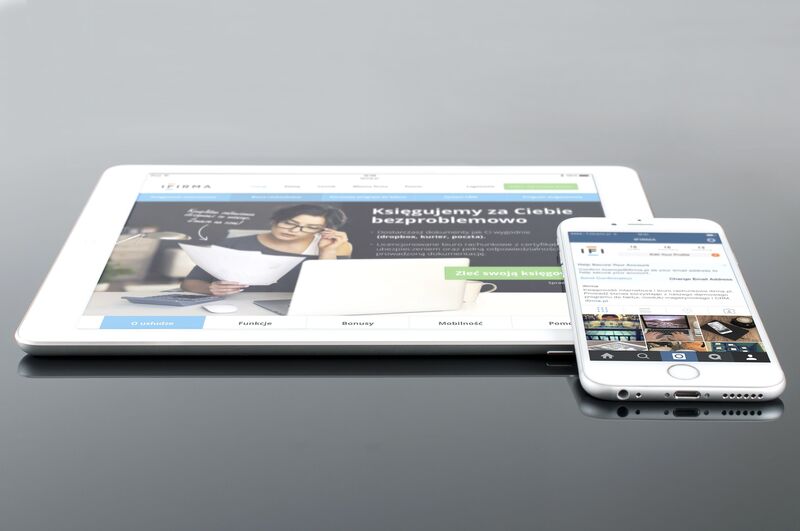
A tablet offers many of the same online capabilities but provides a larger screen. This makes activities such as reading, streaming, online classes, and video conferencing more comfortable.
When comparing a free tablet or phone offer, it helps to focus on daily habits rather than device specifications.
Someone who spends most of the day outside the home may benefit more from a smartphone. Someone who primarily uses a device for online learning or watching videos may appreciate the larger display of a tablet.
That said, availability also plays a major role in the decision, which brings us to an important reality many applicants do not know.
2. Facts You Might Not Know About Lifeline-Backed Phone & Tablet Offers
Many consumers begin researching a free tablet or phone opportunity without understanding how these programs actually work.
Several important facts can help set realistic expectations before applying.
3. Lifeline Supports Service, Not Device Giveaways
One of the biggest misconceptions is that Lifeline directly distributes phones and tablets.
In reality, Lifeline is a communications assistance program that helps make wireless service more affordable for eligible households. Participating carriers, knows as Eligible Telecommunications Carriers (ETCs), may choose to offer devices as part of their own promotions.
This means the service subsidy comes from Lifeline, while the device offer is typically provided by the carrier.
Smartphones Are Usually More Common Than Tablets
If you spend time comparing providers, you will quickly notice a pattern.
Smartphones tend to appear far more frequently than tablet offers. Inventory is often larger, restocks happen more often, and providers generally maintain a wider selection of phones than tablets.
As a result, someone searching for a free tablet government phone offer may find phone options available immediately while tablet inventory is limited or temporarily unavailable.
Free Phone Promotions Are More Common
Not only are smartphones easier to find, but completely free phone promotions also tend to appear more frequently.
Tablet offers often involve limited inventory, special promotions, or shorter availability windows.
This is one reason many applicants ultimately choose a smartphone when evaluating a free tablet or phone opportunity.
Some Providers Occasionally Offer More Than Phones and Tablets
Another fact that surprises many consumers is that some providers occasionally feature additional technology products.
Depending on inventory and promotions, providers such as AirTalk Wireless may sometimes offer:
- Smartwatches
- Accessories
- Mobile hotspots
- Laptops
- Other connected devices
However, these promotions are generally less common than phone offers and often sell out quickly.
The same applies to a free government tablet phone promotion. While it may become available, inventory is often more limited than smartphone inventory, which is why regular monitoring can be helpful.
>>> Read more: Where Can I Get a Free Government Tablet? What Options May Be Available
4. Who Should Leverage the Free Government Tablet Phone Program?
Once people understand how availability works, the next question becomes whether they qualify.
Most free tablet or phone opportunities are tied to Lifeline eligibility requirements. Households may qualify through participation in approved assistance programs or through income-based criteria.
Common qualifying programs include:
- SNAP / EBT
- Medicaid
- Supplemental Security Income (SSI)
- Federal Public Housing Assistance
- Veterans Pension Benefits
- Survivors Pension Benefits
- Certain Tribal assistance programs
Income-based qualification may also be available for households that meet current federal guidelines.
These programs can benefit many types of users, including:
- Students who need internet access for coursework
- Seniors who want affordable communication tools
- Families managing healthcare appointments online
- Job seekers completing applications and interviews
- Households without reliable broadband access
For these groups, a free tablet or phone can help bridge important connectivity gaps and provide access to essential services.
>>> Read more: What Is the Best Free Government Phone and Tablet Combo in 2026?
5. How to Choose the Right Device for Your Needs?
Eligibility alone does not determine which device is the better choice. The most important factor is how the device will actually be used.
If communication is your top priority, a smartphone is usually the strongest option.
A smartphone can handle:
- Calling
- Texting
- Video meetings
- Social media
- Streaming
- Navigation
- Online banking
Because smartphones are widely available, they often provide the quickest path to getting connected.
A tablet may be worth considering if your primary activities involve:
- Online learning
- Reading documents
- Watching videos
- Telehealth visits
- Remote work
Even then, it is important to remember that tablet inventory is often more limited.
Many consumers initially focus on finding a free tablet government phone package, but later discover that a smartphone alone can comfortably support most of their daily needs.
In fact, a modern smartphone can perform nearly every task that an average user expects from a tablet while offering greater portability.
6. Where to Check & Apply for Current Tablet and Phone Offers?
After deciding whether a tablet or phone better suits your needs, the next step is checking what is actually available.
Many providers allow applicants to complete the entire process online.
AirTalk Wireless generally follows a straightforward application structure:
Step 1: Visit the Provider Website and Enter Your ZIP Code
Visit the AirTalk Website and enter your ZIP code to confirm if the service is available at your location. This also serves as an indicator for the provider to sort out the plan and devices available at your location.
Step 2: Review Current Inventory
Available phones, tablets, and other devices can change regularly, making this one of the most important steps in the process.
Review and choose carefully what device and plan will best suit most of your daily tasks.
Step 3: Provide Essential Information
Then, you can strat provide basic information for verification. In many cases, you may be asked to upload:
- Government-issued ID
- Proof of address
- Program participation documents (if qualified through program-based qualification)
- Income proof(if qualified through income-based qualification)
Step 4: Submit and Await Approval
Then, submit your application and wait for the approval.
Once approved, applicants will receive information regarding shipment and activation.
For anyone comparing a free tablet or phone offer, reviewing current inventory before applying is often the best way to determine which option is realistically available.
Note: Eligibility varies by state and program. Offers depend on availability and qualifications. AirTalk Wireless operates under the federal Lifeline Program as an Eligible Telecommunications Carrier (ETC). Service is non-transferable and limited to one service per household.
7. Conclusion
Choosing between a free tablet or phone is not simply a matter of preference. Availability, daily usage habits, and provider inventory all play important roles.
While tablets can be excellent for learning, streaming, and larger-screen activities, smartphones tend to offer greater flexibility and are usually easier to obtain. For many households, a phone delivers nearly everything needed for communication, entertainment, productivity, and internet access.
By understanding how Lifeline-backed offers work and reviewing available inventory regularly, consumers can make better decisions and take advantage of opportunities when they become available.