
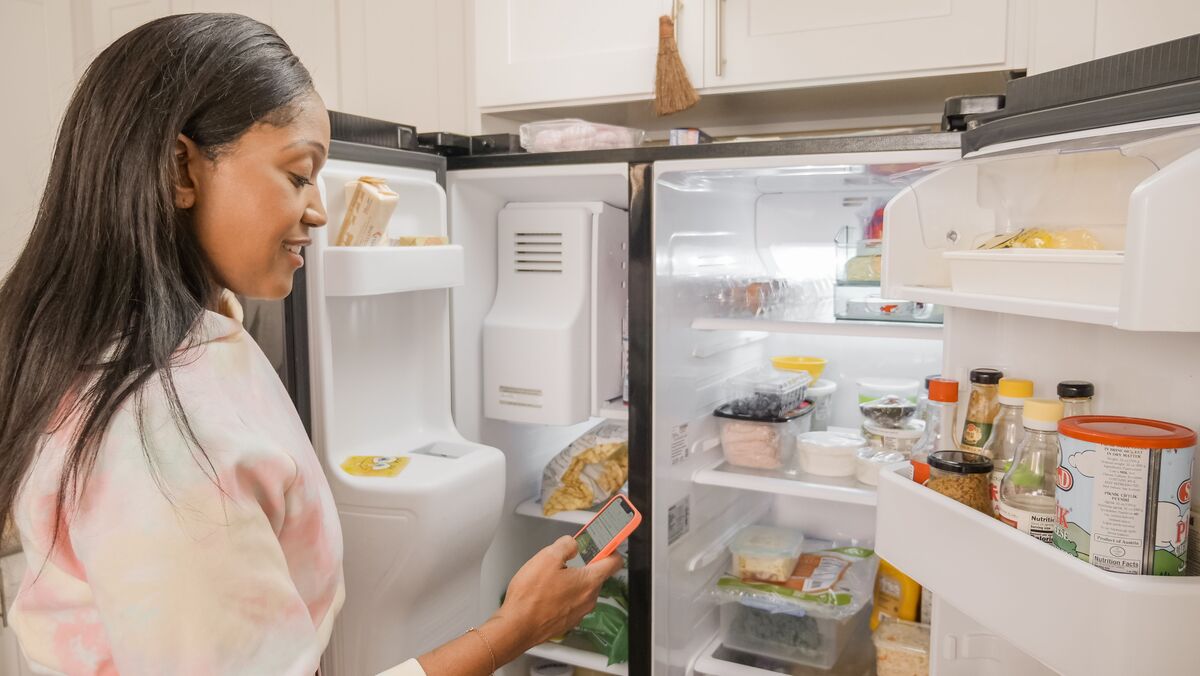
Power outages can happen unexpectedly due to storms, equipment failures, wildfires, or other emergencies. When the electricity goes out, one of the biggest concerns for homeowners is food safety. Many people immediately wonder how long can food last in fridge without power and whether the food inside is still safe to eat.
The answer depends on several factors, including how long the outage lasts, how often the refrigerator door is opened, and the type of food being stored. Understanding these factors can help prevent foodborne illness while also reducing unnecessary food waste.
This guide explains how long food can last in the fridge without power, which foods spoil first, and what steps you can take to protect your food during an outage.
1. How Long Can Food Last in a Fridge Without Power?
The general food safety recommendation is that a refrigerator can keep food at a safe temperature for approximately 4 hours if the door remains closed.
During this period, the cold air trapped inside helps maintain temperatures that slow bacterial growth. However, once temperatures begin rising above safe refrigeration levels, perishable foods may become unsafe much more quickly.
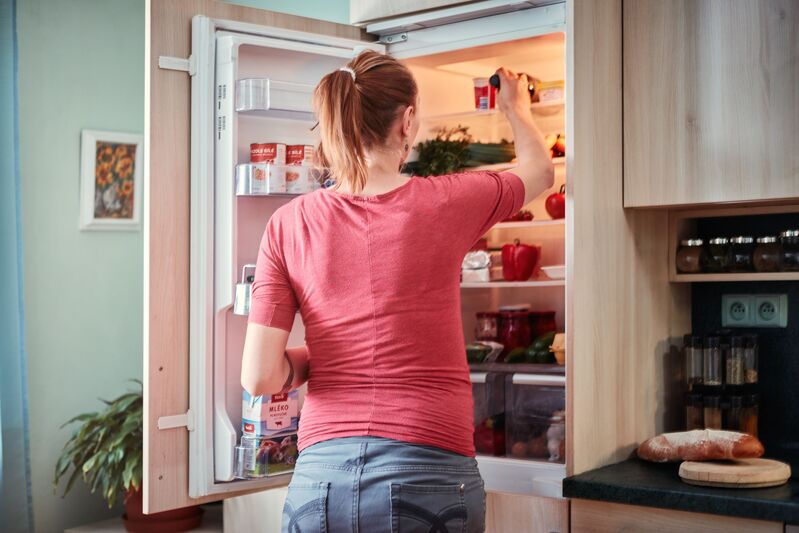
Several factors affect how long can food last in fridge without power, including:
- The starting temperature of the refrigerator
- The amount of food stored inside
- Room temperature
- How frequently the door is opened
- The length of the outage
A fully stocked refrigerator often stays cold longer than a nearly empty one because the chilled items help retain cold temperatures.
Keeping the refrigerator door closed as much as possible is one of the most effective ways to preserve food during a power outage.
2. Which Foods Spoil First During a Power Outage?
Not all foods respond to temperature changes in the same way. Some items remain safe for longer periods, while others can become hazardous relatively quickly.
Understanding which foods are most vulnerable can help prioritize decisions during an outage.
Meat, Poultry, and Seafood
Raw meat, poultry, and seafood are among the most perishable foods found in a refrigerator.
As temperatures rise, bacteria can multiply rapidly on these products. This increases the risk of foodborne illness if the food remains in unsafe temperature ranges for too long.
Examples include:
- Chicken
- Turkey
- Ground beef
- Pork
- Fish
- Shrimp
- Shellfish
These foods require careful evaluation following an extended power outage.
Milk and Dairy Products
Dairy products are also highly sensitive to temperature changes.
Items that may spoil relatively quickly include:
- Milk
- Yogurt
- Soft cheeses
- Cottage cheese
- Sour cream
- Cream-based products
Even when products appear normal, bacterial growth may occur if they have been exposed to unsafe temperatures for extended periods.
Cooked Leftovers
Cooked foods stored in the refrigerator can become unsafe during a prolonged outage.
Examples include:
- Cooked pasta
- Rice dishes
- Soups
- Casseroles
- Cooked meats
- Prepared meal containers
These foods should receive special attention because they often contain multiple ingredients that may spoil at different rates.
Eggs and Prepared Foods
Eggs and ready-to-eat foods are another category that deserves careful consideration.
Eggs in their shells generally tolerate temperature fluctuations slightly better than prepared egg dishes, but after a prolonged outage, they should still be evaluated carefully.
Examples include:
- Egg-based dishes
- Deli salads
- Sandwich fillings
- Prepared meal kits
- Refrigerated sauces
Because these foods are often consumed without additional cooking, food safety becomes especially important after a power outage.
>>> Read more: How Long Does Hummus Last? Shelf Life, Storage, and Signs It’s No Longer Safe
3. How to Tell Whether Food Is Still Safe to Eat?
Many people assume they can determine food safety by smell or appearance alone. Unfortunately, that is not always reliable.
Harmful bacteria may be present even when food looks completely normal.
Some warning signs that food should be discarded include:
- Sour or unusual odors
- Mold growth
- Slimy textures
- Discoloration
- Leaking packaging
However, the absence of these signs does not guarantee that food is safe.
A refrigerator thermometer provides a much more reliable method for assessing food safety during and after an outage.
Temperature history is often more important than appearance when determining whether food should be kept or discarded. If the refrigerator temperature has remained at or below 40°F (4°C), food is generally considered safe.
This is one reason food safety experts focus heavily on temperature control when answering how long can food last in fridge without power.
4. What to Do During a Power Outage to Protect Food
Taking quick action can help preserve food quality and extend the amount of time food remains safe.
The most important step is keeping the refrigerator and freezer doors closed.
Every time the door is opened:
- Cold air escapes.
- Internal temperatures rise.
- Food warms more quickly.
- Safe storage time decreases.
Additional protective measures may include:
- Monitoring temperatures with a refrigerator thermometer.
- Using ice packs if available.
- Transferring highly perishable items to coolers when appropriate.
- Grouping refrigerated items to help retain cold temperatures.
These simple steps can make a significant difference during an extended outage.
5. What Happens if the Power Is Out for More Than a Day?
When a power outage extends beyond several hours, food safety concerns become much more serious.
The longer food remains above safe refrigeration temperatures, the greater the opportunity for bacteria to multiply. This is particularly true for highly perishable foods such as meat, dairy products, cooked leftovers, and prepared meals.
If the outage lasts more than a day, many refrigerated items may no longer be safe to consume. At that point, decisions should be based on temperature monitoring rather than appearance alone.
Some foods that may require closer evaluation include:
- Raw meat and poultry
- Seafood
- Milk products
- Cooked leftovers
- Prepared deli foods
- Egg-based dishes
Meanwhile, some foods tend to tolerate temporary temperature increases better than highly perishable items.
Examples may include:
- Certain condiments
- Hard cheeses
- Whole fruits
- Some shelf-stable foods
When determining how long can food last in fridge without power, temperature history remains the most important factor. If there is uncertainty about a food’s safety, it is generally safer to discard it rather than risk foodborne illness.
6. How to Prepare for Future Power Outages
While no one can prevent every outage, preparation can help minimize food loss and improve safety during emergencies.
Keep a Refrigerator Thermometer
A refrigerator thermometer is one of the most useful tools for food safety.
Without a thermometer, it can be difficult to know whether the refrigerator remained within a safe temperature range during an outage.
A thermometer helps you:
- Monitor temperature changes
- Make more informed decisions about food safety
- Reduce unnecessary food waste
- Identify refrigeration problems quickly
For anyone concerned about how long can food last in fridge without power, a thermometer provides valuable information that visual inspections cannot.
Maintain Emergency Ice Supplies
Keeping ice on hand can help extend cold temperatures when electricity is unavailable.
Many households keep:
- Ice packs
- Frozen water bottles
- Bags of ice
- Reusable freezer blocks
These items can be placed in coolers or used to help maintain lower temperatures during extended outages.
Replacing ice as needed can help preserve perishable foods for a longer period.
>>> Read more: How Long Does a ZYN Last? From Flavor Duration to Nicotine Effects
Organize Foods by Priority
Food organization can make emergency decisions easier.
Consider placing the most perishable foods where they are easy to access if a transfer becomes necessary.
Examples of high-priority foods include:
- Meat
- Poultry
- Seafood
- Milk
- Yogurt
- Cooked leftovers
Less perishable foods can remain lower on the priority list.
This approach reduces the amount of time refrigerator doors remain open when important items must be moved quickly.
Create a Food Safety Plan
Every household can benefit from a simple food safety plan.
A basic plan may include:
- Emergency contact information
- Locations of coolers and ice supplies
- Thermometer placement
- Backup power options
- Food inventory priorities
Planning ahead can reduce stress and help families respond more effectively during future outages.
7. Conclusion
A refrigerator can keep food safe for about 4 hours without power if the door stays closed. Perishable items like meat, dairy, and leftovers spoil fastest and should be checked carefully.
When in doubt, discard unsafe food. Preparing with a thermometer and ice can help protect food during outages.
Understanding how long can food last in fridge without power helps you make safer decisions during unexpected outages.