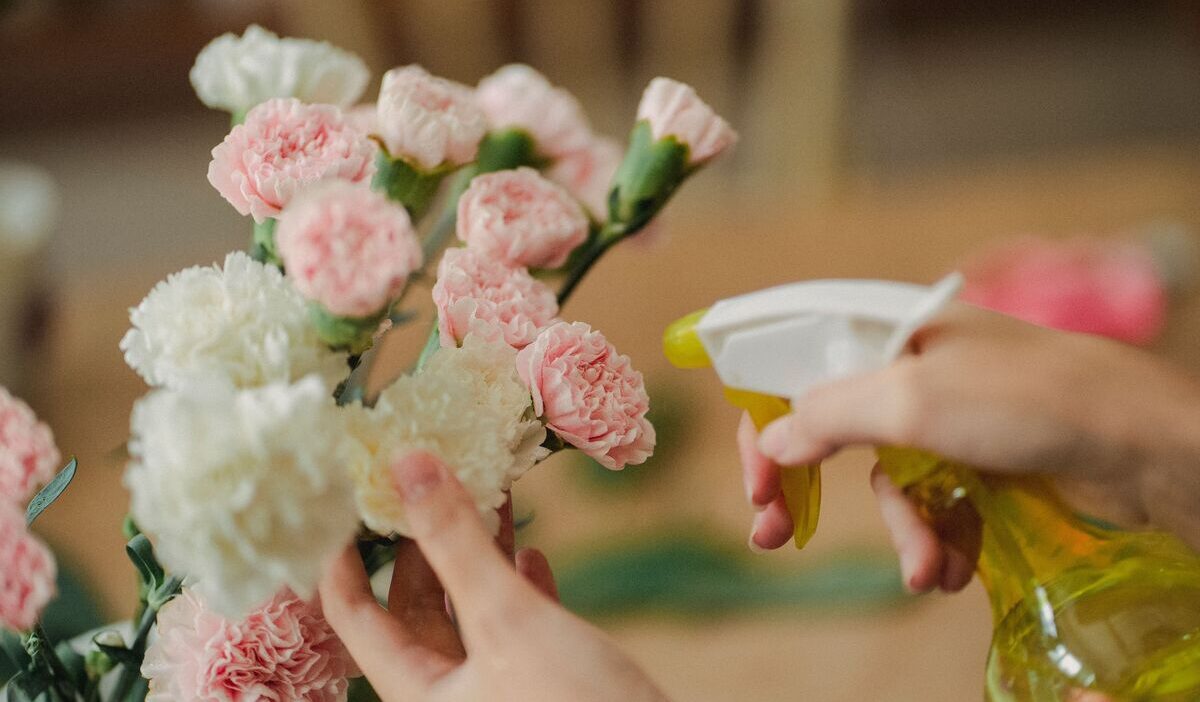
Fresh flowers can brighten a room, celebrate special occasions, and add natural beauty to any space. Whether you’ve received a bouquet as a gift or purchased flowers for your home, one question often comes up: how long do flowers last?
The answer depends on the type of flower, how fresh it was when cut, environmental conditions, and how well it is cared for after being placed in a vase. Some flowers remain attractive for only a few days, while others can stay fresh for several weeks with proper care.
Understanding how long flowers last and what influences their lifespan can help you enjoy your blooms for as long as possible.
1. How Long Do Flowers Last on Average?
The average lifespan of flowers varies significantly based on the species and handling conditions.
Cut Flowers in a Vase
Most cut flowers remain attractive for approximately one to two weeks when cared for properly.
However, this is only a general estimate. Some flowers naturally have shorter vase lives, while others can remain fresh much longer.
Factors that influence vase life include:
- Flower variety
- Water quality
- Room temperature
- Exposure to sunlight
- Frequency of water changes
These variables explain why answers to how long do flowers last can differ from one bouquet to another.
Flowers Used in Bouquets
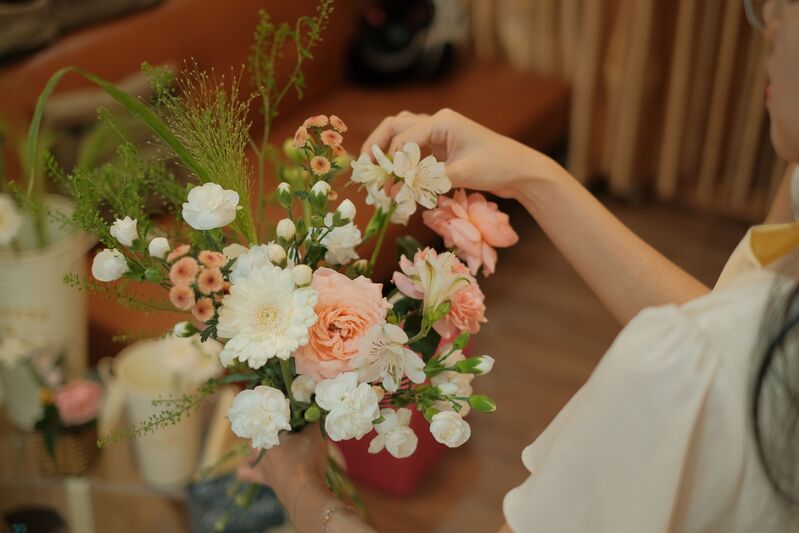
Mixed bouquets often contain several flower varieties with different lifespans.
For example, one flower type may remain fresh for many days while another begins wilting much sooner. This can make an entire bouquet appear older even though some blooms are still healthy.
Many florists intentionally combine flowers with varying bloom stages so arrangements maintain their visual appeal for a longer period.
Removing aging flowers from a bouquet can sometimes help preserve the appearance of the remaining blooms.
Freshly Purchased vs Garden-Cut Flowers
Flowers purchased from a florist and flowers cut directly from a garden may have different lifespans.
Commercially sold flowers often go through harvesting, transportation, and storage before reaching the customer. Although these processes are carefully managed, some of the flower’s lifespan may already have passed before purchase.
Garden-cut flowers, on the other hand, may be placed in water immediately after cutting, potentially helping them remain fresh longer when handled properly.
Regardless of the source, proper care remains one of the most important factors affecting how long do flowers last.
2. Which Flowers Tend to Last the Longest?
Some flowers are naturally known for their extended vase life.
Popular long-lasting flowers often include:
- Carnations
- Chrysanthemums
- Alstroemeria
- Orchids
- Lisianthus
- Protea
These varieties are often chosen for arrangements because they can maintain their appearance for an extended period compared to more delicate flowers.
Flowers that frequently have shorter vase lives may include:
- Tulips
- Daffodils
- Poppies
- Certain wildflowers
That does not mean shorter-lasting flowers are less desirable. Many are valued for their beauty, fragrance, or seasonal appeal despite their limited lifespan.
When selecting flowers for a special event or long-term display, understanding which varieties typically last longer can help set realistic expectations.
3. Why Some Flowers Last Much Longer Than Others?
Not all flowers age at the same rate. Several biological and environmental factors influence longevity.
One important factor is the natural structure of the flower itself. Some blooms have thicker stems and petals that retain moisture more effectively, while others are more delicate and lose water rapidly.
Additional factors include:
- The maturity of the flower when cut
- Storage conditions before purchase
- Water uptake efficiency
- Sensitivity to temperature
- Exposure to ethylene gas from fruits and vegetables
Ethylene is a naturally occurring plant hormone that can accelerate aging in some flowers. Keeping bouquets away from ripening fruit may help reduce premature wilting.
Flower genetics also plays a role. Some species are simply programmed to bloom longer than others, regardless of care practices.
Because multiple factors interact simultaneously, two bouquets that appear identical at purchase may age differently over time.
>>> Read more: How Long Does Hummus Last? Shelf Life, Storage, and Signs It’s No Longer Safe
4. How to Make Flowers Last Longer in a Vase?
Proper care can significantly influence how long do flowers last after being brought home.
One of the most effective practices is placing flowers in clean water immediately after cutting or purchasing them.
Additional tips include:
- Use a clean vase.
- Replace water regularly.
- Trim stem ends periodically.
- Remove leaves below the waterline.
- Keep flowers away from direct sunlight.
- Avoid placing arrangements near heat sources.
- Protect flowers from drafts and extreme temperatures.
Flower food provided by florists may also help support freshness by supplying nutrients and improving water quality.
Routine maintenance often makes a noticeable difference in both appearance and longevity.
5. What Shortens the Life of Fresh Flowers?
While proper care can help flowers stay fresh longer, several common factors can significantly reduce vase life.
One of the biggest causes is poor water quality. Dirty water can promote bacterial growth that blocks stems and reduces the flower’s ability to absorb moisture.
Other factors that may shorten flower lifespan include:
- Direct sunlight
- High indoor temperatures
- Dirty vases
- Infrequent water changes
- Damaged stems
- Exposure to ripening fruit
- Overcrowded arrangements
Dehydration is another major issue. Flowers rely on a continuous supply of water after being cut. When stems become blocked or water levels drop too low, wilting often follows quickly.
Improper handling during transportation can also affect how long do flowers last. Flowers that experience excessive heat or physical damage before purchase may have a shorter vase life regardless of the care they receive afterward.
By minimizing these stressors, flower owners can often enjoy their arrangements for a longer period.
>>> Read more: How Long Can Food Last in Fridge Without Power? A Food Safety Guide
6. FAQs
Do flowers last longer in cold or warm rooms?
Flowers generally last longer in cool rooms. Lower temperatures slow aging and moisture loss, but avoid freezing conditions.
Can flower food really extend the life of a bouquet?
Yes. Flower food helps nourish blooms, reduce bacterial growth, and improve water uptake, which can help flowers stay fresh longer.
Why do some flowers wilt even when they have enough water?
Wilting can occur when stems become blocked by bacteria, the flowers experience heat stress, or they naturally begin to age.
Is tap water safe for cut flowers?
Yes. Clean tap water is suitable for most cut flowers. Changing the water regularly is usually more important than using filtered water.
Can mixing different flower types affect how long a bouquet lasts?
Yes. Different flowers have different vase lives, and some release substances that can affect others. Removing wilted blooms can help the rest of the bouquet stay fresh.
7. Conclusion
If you’re wondering how long do flowers last, the answer depends on the flower variety, freshness at the time of purchase, environmental conditions, and ongoing care. Most cut flowers remain attractive for about one to two weeks, although some varieties can last considerably longer.
Flowers such as carnations, chrysanthemums, orchids, and alstroemeria are often known for their extended vase life, while more delicate blooms may fade sooner. Regular water changes, stem trimming, clean containers, and cool indoor temperatures can all help maximize longevity.
Understanding what affects how long do flowers last allows you to enjoy bouquets for as long as possible while keeping arrangements looking fresh and vibrant.