

Blueberries are one of the most popular berries thanks to their sweet flavor, versatility, and nutritional value. However, they are also highly perishable. If stored improperly, they can quickly become soft, moldy, or lose their freshness.
Many people wonder how long do blueberries last in the fridge and what they can do to maximize shelf life. The good news is that proper refrigeration and storage habits can significantly extend freshness.
This guide explains how long blueberries last in the fridge, what affects their shelf life, and the best ways to keep them fresh for as long as possible.
1. How Long Do Blueberries Last in the Fridge?
Quick Answer
In general, blueberries can last about 1 to 2 weeks in the refrigerator, although some exceptionally fresh berries may remain in good condition for up to 3 weeks when stored properly.
The exact lifespan depends on:
- Freshness at purchase
- Storage temperature
- Moisture exposure
- Whether the berries were washed
- Presence of damaged berries
Blueberry Shelf Life at a Glance
| Type of Blueberries | Typical Refrigerator Life |
| Fresh store-bought blueberries | 1–2 weeks |
| Freshly picked blueberries | 1–2 weeks |
| Unwashed blueberries | Up to 2 weeks or longer |
| Washed blueberries | Several days to 1 week |
| Blueberries with mold present | Discard immediately |
This quick-reference table helps answer how long do blueberries last in the fridge and may make it easier to compare different storage situations.
Fresh Store-Bought Blueberries
Most store-bought blueberries have already spent some time being harvested, transported, and displayed before reaching consumers.
Because part of their lifespan has already passed, freshness at the time of purchase can vary. When properly refrigerated, fresh store-bought blueberries typically remain usable for approximately one to two weeks.
Choosing firm berries with no visible mold or leaking juice can help maximize storage life.
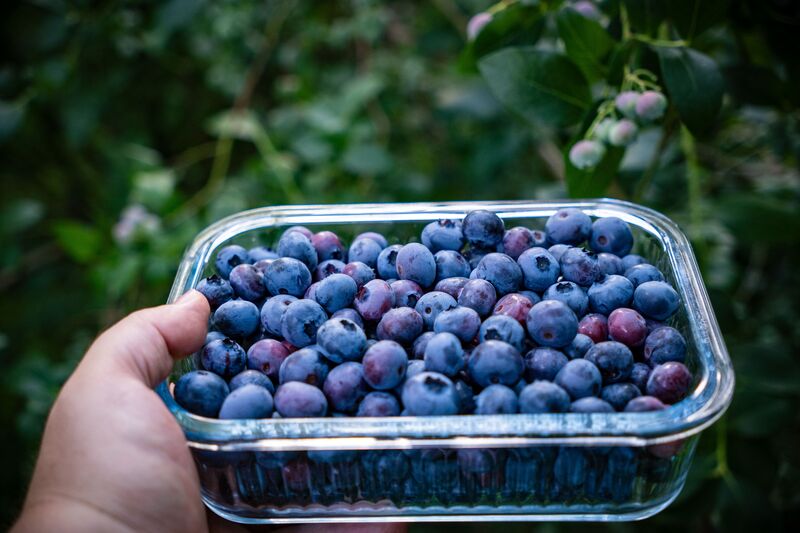
Freshly Picked Blueberries
Freshly picked blueberries often have a slight advantage because they haven’t gone through the same distribution process as commercial berries.
When harvested carefully and refrigerated soon after picking, freshly picked blueberries may maintain quality for a longer period.
However, they are still highly perishable and require proper storage to prevent moisture buildup and mold growth.
Washed vs. Unwashed Blueberries
Whether blueberries are washed before storage can have a significant impact on shelf life.
Unwashed blueberries generally last longer because their natural protective coating remains intact and excess moisture is minimized.
Washed blueberries often deteriorate faster because lingering moisture encourages mold development and softening.
>>> Read more: How Long Do Flowers Last? A Guide to Keeping Blooms Fresh Longer
2. What Affects How Long Blueberries Last?
Several factors influence how long do blueberries last in the fridge.
Initial Freshness
The fresher the berries are when purchased or harvested, the longer they are likely to remain fresh.
Signs of fresher blueberries include:
- Firm texture
- Deep blue color
- Dry surfaces
- No visible mold
- No leaking juice
Moisture Exposure
Excess moisture is one of the most common causes of blueberry spoilage.
Water droplets can encourage mold growth and speed up deterioration. Even small amounts of trapped moisture may shorten shelf life.
Refrigerator Temperature
Temperature plays a critical role in preserving freshness. Blueberries stored consistently within the proper refrigeration range generally last longer than berries exposed to warmer conditions.
Damaged Berries
A single moldy or damaged berry can affect nearby berries surprisingly quickly.
This is why sorting blueberries and removing questionable berries can significantly improve overall storage life.
3. How to Store Blueberries for the Longest Freshness?
Proper storage practices can dramatically influence “how long do blueberries last in the fridge.”
Keep Them Unwashed Until You’re Ready to Eat
One of the simplest ways to extend blueberry freshness is to leave them unwashed until serving time.
Moisture creates ideal conditions for mold growth. When berries are washed before storage, small amounts of water often remain trapped on the fruit surface. Even if the berries appear dry, residual moisture may accelerate spoilage.
Waiting until immediately before consumption helps preserve the berries’ natural protective coating and reduces unnecessary moisture exposure.
Remove Damaged Berries
Before storing blueberries, inspect the container carefully.
Remove any berries that are:
- Moldy
- Crushed
- Leaking juice
- Extremely soft
Mold can spread quickly through a container of berries. Eliminating damaged fruit early helps protect the remaining blueberries and extend freshness.
Store in a Breathable Container
Airflow is important when storing berries. Several good options include:
- Original Clamshell Container
Many blueberries are sold in ventilated plastic clamshell containers designed to promote airflow.
These containers are often suitable for short-term refrigerator storage.
- Vented Container
A vented storage container may help improve airflow while protecting berries from excessive moisture accumulation.
- Paper Towel for Moisture Control
Placing a dry paper towel beneath or above the berries can help absorb excess moisture.
This simple step often helps reduce condensation and slow mold growth.
Refrigerate Immediately
Prompt refrigeration is one of the most effective ways to preserve blueberry quality.
Blueberries should ideally be stored at temperatures between 32°F and 40°F (0°C and 4°C). This range helps slow microbial growth, reduce moisture loss, and maintain firmness.
If blueberries are left at room temperature for extended periods, they may soften much faster and become more susceptible to mold.
For the best results:
- Refrigerate blueberries soon after purchase.
- Keep them away from warm areas of the refrigerator.
- Avoid frequent temperature fluctuations.
- Store them where air can circulate properly.
>>> Read more: How Long Can Food Last in Fridge Without Power? A Food Safety Guide
4. How Can You Tell When Blueberries Have Gone Bad?
Blueberries don’t always spoil at the same rate, so it’s important to inspect them regularly.
Common signs of spoilage include:
- Visible mold
- Soft or mushy texture
- Wrinkled skin
- Leaking juice
- Sour or fermented smell
- Discoloration
If mold is present, it is generally safest to discard affected berries and carefully inspect the rest of the container. Because blueberries are highly perishable, spoilage can spread quickly once mold develops.
5. Should You Wash Blueberries Before Refrigerating?
In most situations, no. Washing blueberries before refrigeration introduces additional moisture that can encourage mold growth and shorten shelf life.
Instead:
- Store blueberries unwashed.
- Keep them refrigerated.
- Wash only the portion you plan to eat.
This simple habit is one of the most effective ways to extend freshness and improve how long do blueberries last in the fridge.
6. Common Mistakes That Make Blueberries Spoil Faster
Even fresh blueberries can deteriorate quickly when stored improperly.
Common mistakes include:
- Washing too early
- Leaving blueberries at room temperature for too long
- Storing berries in sealed containers without airflow
- Not removing spoiled berries
- Overfilling containers
- Keeping berries near moisture-producing foods
Avoiding these storage mistakes can make a noticeable difference in how long blueberries remain firm and mold-free.
7. FAQs
Can blueberries last 3 weeks in the fridge?
Sometimes, very fresh blueberries that are stored properly, kept dry, and maintained at the correct refrigerator temperature may remain usable for up to three weeks. However, many blueberries are best consumed within one to two weeks for optimal quality.
How do you know when blueberries are gone bad?
Signs of spoilage include mold growth, mushiness, leaking juice, wrinkling, discoloration, and unpleasant odors. If multiple signs are present, the blueberries should be discarded.
Do blueberries mold easily?
Yes. Blueberries contain moisture and delicate skin, making them susceptible to mold growth, especially when stored in humid conditions or when damaged berries remain in the container.
8. Conclusion
If you’re wondering how long do blueberries last in the fridge, most fresh blueberries will stay in good condition for about one to two weeks when refrigerated properly. In some cases, exceptionally fresh berries may last even longer.
Storage practices have a major impact on shelf life. Keeping blueberries unwashed, removing damaged berries, using breathable containers, controlling moisture, and refrigerating promptly can all help extend freshness.