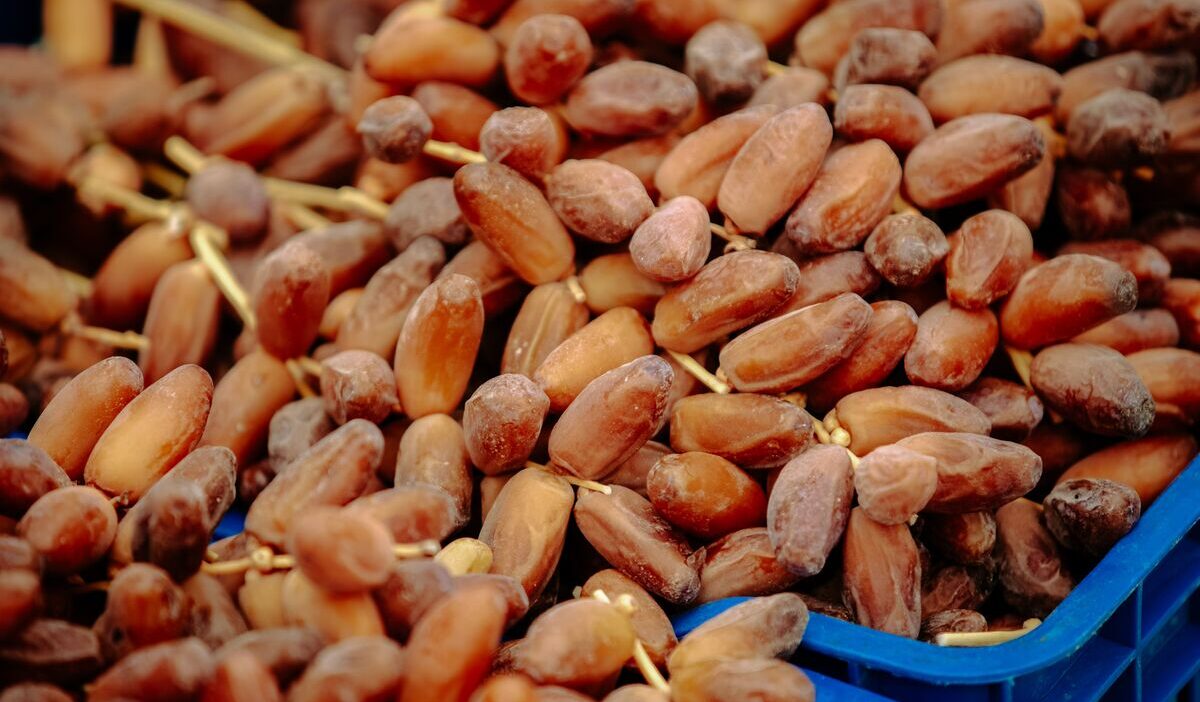
Dates are naturally sweet fruits with a relatively low moisture level, so they usually last much longer than fresh berries, peaches, or other soft fruits. However, they can still lose quality or spoil when exposed to heat, humidity, air, insects, or contaminated utensils.
The answer to how long do dates last depends on the variety, moisture content, packaging, and storage location. Soft dates such as Medjool dates usually have a shorter shelf life than firm or semi-dry varieties, while refrigeration and freezing can help preserve quality for much longer.
1. How Long Do Dates Last?
As a general guide, dates may last about one to three months at room temperature, six months to a year in the refrigerator, and a year or longer in the freezer when stored properly.
These are quality estimates rather than universal expiration dates, so always check the package instructions and inspect the fruit before eating it.
| Storage Method | Typical Quality Period |
|---|---|
| Room temperature | About 1–3 months |
| Refrigerator | About 6–12 months |
| Freezer | About 12 months or longer |
| Opened package | Usually shorter than an unopened package |
| Soft, high-moisture dates | Generally shorter shelf life |
| Dry or semi-dry dates | Generally longer shelf life |
2. Dates at Room Temperature
Dates can be stored at room temperature when the kitchen or pantry is cool, dry, and protected from direct sunlight.
Place them in an airtight container or keep the original package tightly closed. Heat and humidity can cause dates to soften, develop off-flavors, attract insects, or grow mold.
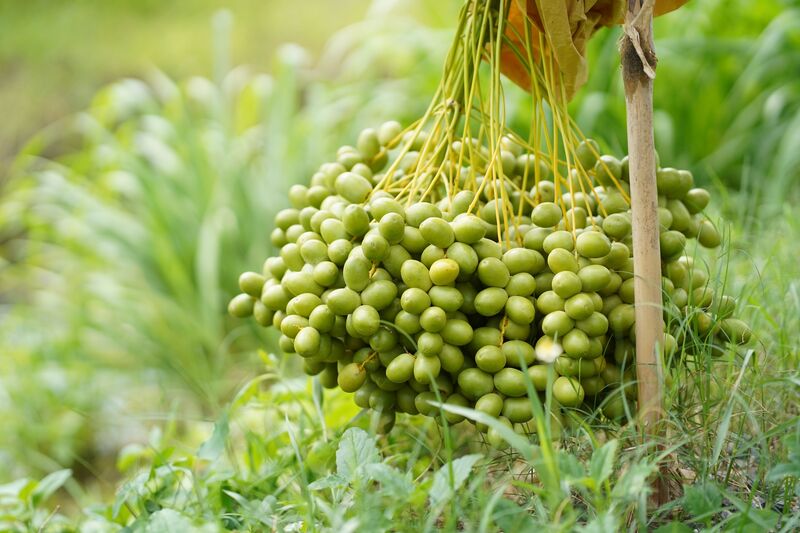
Soft dates are generally best consumed sooner because they contain more moisture. Drier varieties can remain usable longer when protected from air and moisture.
A warm kitchen, open package, or poorly sealed container may reduce shelf life substantially. If you expect to keep dates for more than a few weeks, refrigeration is usually the better choice.
3. Dates in the Refrigerator
Refrigeration helps dates retain their flavor, texture, and moisture for much longer than pantry storage.
When sealed properly, many packaged dates can maintain good quality for approximately six months to one year. Refrigeration is especially useful for:
- Soft Medjool dates
- Opened packages
- Dates stored in humid climates
- Fruit purchased in bulk
- Dates containing no added preservatives
4. Dates in the Freezer
Freezing is useful when you buy dates in large quantities or do not expect to use them within several months.
Place the dates in a freezer-safe bag or container, remove as much excess air as possible, and label the package with the freezing date. Dividing them into smaller portions can make thawing more convenient.
Frozen dates may maintain good quality for around one year or longer. They may become slightly softer after thawing, but this usually does not affect their suitability for smoothies, baking, sauces, energy bites, or stuffed-date recipes.
Thaw only the amount you need and keep the remaining dates frozen to avoid repeated temperature changes.
5. What Makes Dates Go Bad?
Understanding the problem can help prevent avoidable waste. The most common causes include:
- Moisture entering the package
- Warm storage temperatures
- High humidity
- Exposure to air
- Dirty utensils or hands
- Insect contamination
- Damaged packaging
- Repeated warming and cooling
Although dates are dried or semi-dried, they still contain enough moisture for mold or fermentation to develop under poor conditions.
Heat and light also affect quality. Dates stored near a stove, sunny window, or warm appliance may darken, dry out, or develop stale flavors sooner.
6. How Do You Know if Dates are Gone Bad?
The answer to how do you know if dates are gone bad involves checking smell, appearance, texture, and storage history.
Discard dates if you notice:
- Visible fuzzy mold
- A sour, fermented, or rancid smell
- Insect activity or webbing
- Liquid leaking from the package
- An unusually slimy surface
- A sharp or unpleasant taste
- Severe discoloration combined with a bad odor
Dates naturally darken as they age, so color change alone does not always mean spoilage. They may also develop white spots or a pale coating caused by sugar moving to the surface.
>>> Read more: How Long Does Hummus Last? Shelf Life, Storage, and Signs It’s No Longer Safe
7. Why Do Some Dates Last Longer Than Others?
Different varieties and packaging methods explain why two batches of dates may have very different shelf lives.
Soft Dates vs. Dry Dates
Soft dates contain more moisture and usually have a tender, sticky texture. Medjool dates are a common example.
Because moisture supports microbial growth, soft dates generally have a shorter room-temperature shelf life and benefit more from refrigeration.
Dry or semi-dry dates contain less available moisture. They often feel firmer and may remain stable longer when stored in a cool, dry pantry.
Fresh Dates vs. Packaged Dates
Fresh dates may be sold at different stages of ripeness. Some are firm and crunchy, while fully ripened dates are softer and sweeter.
Their shelf life depends on ripeness and moisture content. Softer fresh dates usually need refrigeration sooner than commercially dried dates.
Packaged dates may have been cleaned, sorted, dried, and sealed under controlled conditions. Their packaging can provide better protection from air and contamination, but only while the seal remains intact.
Opened vs. Unopened Packages
An unopened package protects dates from air, moisture, insects, and handling.
Once opened, the fruit is exposed each time the container is used. Shelf life may decrease if the package is not resealed properly or if wet or dirty utensils enter the container.
After opening:
- Transfer dates to an airtight container if necessary.
- Keep moisture away from the fruit.
- Use clean, dry hands or utensils.
- Refrigerate soft dates for longer storage.
- Check regularly for insects, mold, or unusual odors.
8. Are Dates Safe for Diabetics to Eat?
They can fit into a diabetes-friendly eating plan, but portion size and total carbohydrate intake matter.
Dates can raise blood glucose, even though they also provide fiber and nutrients. A person with diabetes may need to count them as part of a meal or snack’s total carbohydrates.
Practical approaches may include:
- Choosing dates without added sugar
- Eating a small portion
- Pairing dates with nuts, yogurt, or another protein source
- Monitoring personal blood glucose response
- Following advice from a doctor or registered dietitian
Research has explored the effect of dates on blood sugar and suggests that moderate consumption may not necessarily worsen glycemic control in every person with Type 2 diabetes.
>>> Read more: How Long Do Pumpkins Last? Whole, Carved & Cut Pumpkin Shelf Life
9. Conclusion
So, how long do dates last? They commonly retain quality for one to three months at room temperature, six to twelve months in the refrigerator, and a year or longer in the freezer when properly sealed.
Soft dates generally spoil sooner than drier varieties, while unopened packages tend to last longer than opened ones. Heat, humidity, moisture, insects, and contaminated handling are the main causes of quality loss and spoilage.