Beer does not usually spoil like milk or raw meat, but it can lose freshness, carbonation, aroma, and flavor over time. Heat, light, oxygen, packaging, and beer style all affect how quickly that quality decline occurs.
So, how long does beer last? Most unopened beer is best consumed within several months of packaging, although the exact timeline printed by the brewery should take priority. Hop-forward beers are often best enjoyed fresh, while certain strong or bottle-conditioned styles may remain enjoyable much longer under controlled storage conditions.
1. How Long Does Beer Last?
As a practical estimate, many unopened cans and bottles retain good quality for approximately six to twelve months when stored correctly. Pasteurization, alcohol content, ingredients, and brewery recommendations can make the actual period shorter or longer.
| Beer Condition | General Freshness Estimate |
|---|---|
| Unopened beer at a cool room temperature | Often up to about 6 months |
| Unopened beer in the refrigerator | Often 6–12 months |
| Opened can or bottle | Best consumed the same day |
| Freshly filled growler | Open within 24–72 hours |
| Properly refrigerated keg | Commonly 25–60 days, depending on the beer and system |
| Beer exposed to high heat or direct light | Quality may decline much faster |
How Long Does Beer Last Unrefrigerated?
An unopened commercial beer may retain acceptable quality for several months in a cool, dark pantry. However, “room temperature” should not mean a hot garage, car trunk, sunny porch, or kitchen shelf above an appliance.
Beer ages faster as storage temperature rises. Prolonged warmth can accelerate oxidation, reducing hop aroma and introducing stale flavors sometimes described as papery or cardboard-like.
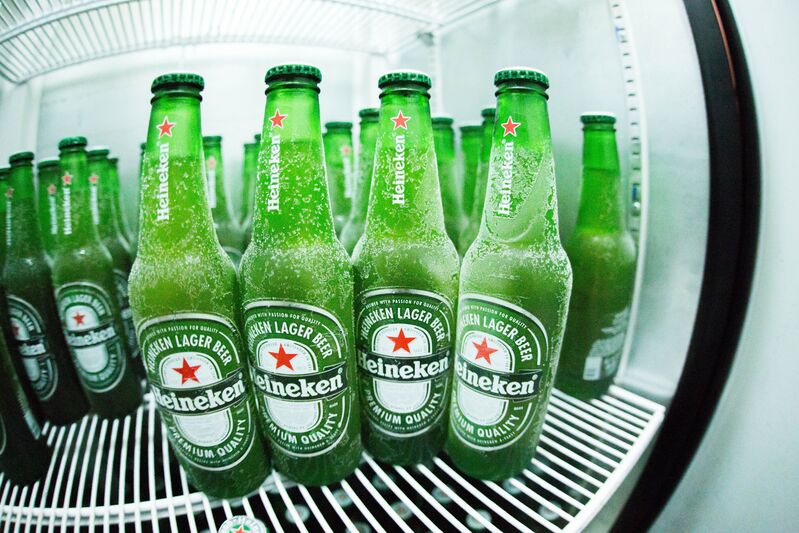
How Long Does Beer Last in the Fridge?
Many unopened beers remain at their best for approximately six to twelve months, but brewery freshness dates are more reliable than a general estimate.
Refrigeration slows chemical reactions that cause beer to age. It helps preserve:
- Hop aroma
- Carbonation
- Fresh malt flavor
- Intended balance
- Overall aroma quality
Delicate, hop-forward beers such as many IPAs often benefit most from immediate cold storage and early consumption.
Strong stouts, barleywines, wild ales, and certain bottle-conditioned beers may develop differently over time, but they should only be aged when the brewery indicates that the style is suitable.
Once a can or bottle is opened, refrigeration cannot fully preserve its original quality. Carbonation escapes and oxygen enters immediately, so opened beer is best finished promptly.
2. Does the Packaging Make a Difference?
Packaging plays a major role because it determines how well the drink is protected from light, oxygen, and contamination.
Cans block light completely. Brown bottles block most harmful light, while clear and green bottles provide much less protection. Kegs can preserve beer very effectively when they remain cold and are dispensed using the correct gas and pressure.
Packaging cannot stop aging completely, but good packaging and careful storage can slow it significantly.
How Long Does Canned Beer Last?
An unopened can often retains good quality for approximately six to twelve months when kept cool, although the printed freshness date remains the best guide.
Cans offer several advantages:
- Complete protection from light
- A tightly sealed environment
- No risk of skunking from ultraviolet exposure
- Easy refrigerator storage
Modern beer cans are lined internally, so the drink does not normally contact bare metal. A properly sealed can should not give beer a metallic taste.
Discard a can if it is leaking, badly swollen, heavily rusted around the seam, or damaged enough to compromise the seal. Minor cosmetic dents are less concerning when the seam and lid remain intact.
After opening, canned beer should be consumed soon. Covering and refrigerating it may slow further decline, but it will generally lose carbonation and aroma quickly.
How Long Does Beer Last in a Keg?
A properly refrigerated keg served with carbon dioxide may remain fresh for roughly 25 to 60 days at retail or at home.
Some pasteurized keg beers can last several months, while unpasteurized draft beer often has a shorter recommended freshness period.
The dispensing method matters greatly. A party pump forces ordinary air into the keg. Because air contains oxygen, the beer may develop stale flavors quickly and is generally intended for same-day service.
>>> Read more: Can You Buy Energy Drinks With EBT? The One Detail That Changes Everything
3. What’s the Best Way to Store Beer for Maximum Freshness?
Use these guidelines:
- Keep beer consistently cool.
- Refrigerate hop-forward and unpasteurized beer promptly.
- Store bottles upright to reduce the surface area exposed to oxygen.
- Protect bottles from sunlight and bright artificial light.
- Keep beer away from ovens, radiators, hot garages, and vehicles.
- Follow the brewery’s packaged-on, best-by, or enjoy-by date.
- Avoid shaking cans, bottles, and kegs unnecessarily.
- Keep kegs cold before and after tapping.
- Use carbon dioxide rather than a hand pump for longer keg service.
- Clean draft equipment on the recommended schedule.
Beer should generally be stored upright rather than on its side. Upright storage limits contact with the closure and can help yeast or sediment settle at the bottom in bottle-conditioned products.
4. FAQs
Can You Drink Beer After Its Best-By Date?
Possibly. A best-by or enjoy-by date usually describes the brewery’s intended freshness window rather than an immediate safety cutoff.
An older sealed beer may simply taste stale, flat, sweet, papery, or less aromatic. However, discard it if the packaging is leaking, swollen, badly damaged, or contaminated.
How Can You Tell if Beer Has Gone Bad?
Common quality problems include:
- Flat carbonation
- Papery or cardboard-like flavor
- Weak hop aroma
- Sourness that does not belong in the style
- A skunk-like smell
- Unexpected sediment or texture changes
- Leakage or damaged packaging
Does Beer Go Bad Faster After Opening?
Yes. Once opened, beer immediately begins losing carbonation and absorbing oxygen.
An unfinished beer may be refrigerated temporarily, but its flavor and mouthfeel are unlikely to remain the same. For the best experience, finish an opened can or bottle within the same drinking occasion.
Can Beer Be Stored in a Hot Garage?
It should not be stored there for long periods. High temperatures accelerate aging and can quickly reduce freshness.
A cool basement, dark pantry, or refrigerator provides much better conditions. Beer stored in a hot garage through summer may taste stale well before its printed date.
>>> Read more: Can You Buy Vitamins With EBT? Why Most Are Not Covered
5. Conclusion
So, how long does beer last? Many unopened cans and bottles retain good quality for approximately six to twelve months, but the brewery’s freshness date, beer style, packaging, and storage conditions should guide your decision.
Beer may remain drinkable after its best-by date, but it will not necessarily taste as the brewer intended. For maximum freshness, keep it cool, avoid heat and light, and consume it within the recommended window.