Chocolate usually lasts much longer than many fresh foods because it contains little moisture. Even so, its flavor, texture, and appearance can decline over time, especially when it is exposed to heat, humidity, strong odors, or poor packaging.
How long does chocolate last? It depends on the type of chocolate, whether it contains fillings, and how it is stored. Plain dark chocolate generally keeps its quality longer than milk or white chocolate, while truffles, nut-filled bars, and cream-filled candies often have shorter shelf lives.
1. Does Chocolate Go Bad or Expire?
Chocolate can lose quality and eventually become unsuitable to eat, but the date on the package is often a “best by” date rather than a strict safety deadline.
Over time, chocolate may develop:
- A stale or rancid smell
- Flavor loss
- A dry or crumbly texture
- Surface discoloration
- Mold, especially if moisture or perishable fillings are present
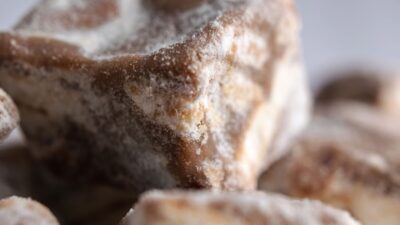
A pale gray or white coating does not always mean the chocolate is spoiled. This appearance is often called chocolate bloom. Fat bloom happens when cocoa butter moves to the surface, while sugar bloom can form when moisture dissolves surface sugar and later evaporates.
Bloomed chocolate is usually safe if it has no mold, bad odor, or spoiled filling, although its taste and texture may be less appealing.
2. How Long Does Chocolate Last?
Most plain chocolate products retain their best quality for roughly several months to about two years, depending on their ingredients.
| Type of Chocolate | Typical Best-Quality Period |
|---|---|
| Dark chocolate | About 1–2 years |
| Milk chocolate | About 8–12 months |
| White chocolate | About 6–12 months |
| Filled chocolates and truffles | A few weeks to several months |
| Hot chocolate or cocoa powder | Often 1–3 years, depending on the product |
| Opened chocolate | Usually shorter than unopened chocolate |
Dark Chocolate
Dark chocolate often lasts the longest because it generally contains more cocoa solids and less dairy than milk or white chocolate.
When wrapped tightly and stored in a cool, dry environment, it may retain good quality for one to two years. Higher-cocoa bars often remain usable longer than chocolates containing nuts, cookies, or soft fillings.
A dark chocolate bar that has passed its best-by date may still be acceptable if it smells normal, has no mold, and was stored correctly. However, its flavor may become flat or less aromatic.
Milk Chocolate
Milk chocolate typically has a shorter shelf life because it contains milk solids and more ingredients that can lose quality.
Most milk chocolate is at its best within approximately eight to twelve months. Poor storage can shorten that period significantly. Exposure to heat may cause cocoa butter bloom, while humidity can produce sugar bloom.
White Chocolate
White chocolate contains cocoa butter, sugar, and milk ingredients but no cocoa solids. Because of its dairy and fat content, it can develop stale or rancid flavors sooner than dark chocolate.
A common estimate is six to twelve months for best quality when stored properly. White chocolate is also sensitive to heat, so a cool storage location is particularly important.
Filled or Specialty Chocolates
Filled chocolates usually have the shortest shelf life in this group.
Examples include:
- Cream-filled truffles
- Fruit-filled candies
- Nut clusters
- Caramel chocolates
- Chocolate-covered cookies
- Artisan bonbons
The filling, rather than the outer chocolate shell, often determines longevity. Fresh cream, fruit purée, nuts, and soft centers can spoil or lose quality much sooner than a plain chocolate bar.
>>> Read more: Can You Buy Candy With EBT in 2026? The Answer Might Surprise You
3. How Long Does Chocolate Last in the Fridge and Freezer?
How long does chocolate last in the freezer? Room-temperature storage is usually best for plain chocolate when the environment is cool and dry.
Short-Term Refrigeration
Properly sealed plain chocolate may remain usable for roughly one to two years, depending on its original shelf life.
Refrigeration is most useful when:
- The room is consistently warm
- The home is humid
- The chocolate contains a temperature-sensitive filling
- The package has already been opened
Wrap chocolate tightly and place it in an airtight container before refrigerating it. Chocolate absorbs odors easily, so it should not be stored uncovered near onions, cheese, seafood, or strongly scented leftovers.
Before opening the package, let refrigerated chocolate return gradually to room temperature.
Long-Term Freezing
Many plain bars can retain acceptable quality for approximately one to two years when wrapped securely and kept continuously frozen.
Freezing is less suitable for delicate truffles, filled chocolates, or candies with layered textures because thawing may affect their appearance and consistency.
For better results:
- Wrap the chocolate tightly.
- Place it in a sealed freezer bag or airtight container.
- Thaw it slowly in the refrigerator.
- Let it reach room temperature before unwrapping.
Gradual thawing helps limit condensation and reduces the risk of surface discoloration.
4. How Can You Tell if Chocolate Has Gone Bad?
The condition of the product matters more than the calendar alone.
Discard chocolate if you notice:
- Visible mold
- A sour, rancid, or paint-like smell
- Insect damage
- Moisture inside the packaging
- A spoiled or fermented filling
- An unpleasant taste
- Severe texture breakdown
A white or gray film may simply be bloom rather than spoilage. Bloomed chocolate can often still be used in baking because melting restores a smoother appearance, though the final flavor may be weaker.
>>> Read more: SNAP Junk Food Ban: Is It Real in 2026 or Just an Urban Myth
5. FAQs
Can I Eat 20 Year Old Chocolate?
It is not recommended.
Even if a plain bar has remained sealed, twenty years is far beyond the normal quality period for commercial chocolate. Packaging can weaken, fats may become rancid, and storage conditions may be impossible to verify.
Does Chocolate Lower Cortisol?
Research and expert commentary suggest that dark chocolate and its polyphenols may support mood and may be associated with lower cortisol in some contexts. However, the evidence does not mean chocolate is a reliable treatment for elevated cortisol or chronic stress.
How Long Does Hot Chocolate Powder Last?
The answer depends on whether it is pure cocoa powder or a prepared mix containing sugar, milk powder, or flavorings.
Unopened cocoa powder may keep its quality for around two to three years, while hot chocolate mixes often last about one to two years. After opening, moisture and air can cause clumping and flavor loss.
6. Conclusion
So, how long does chocolate last? Dark chocolate commonly retains quality for one to two years, while milk and white chocolate usually have shorter timelines. Filled or specialty chocolates may last only weeks or months because their centers are more perishable.