
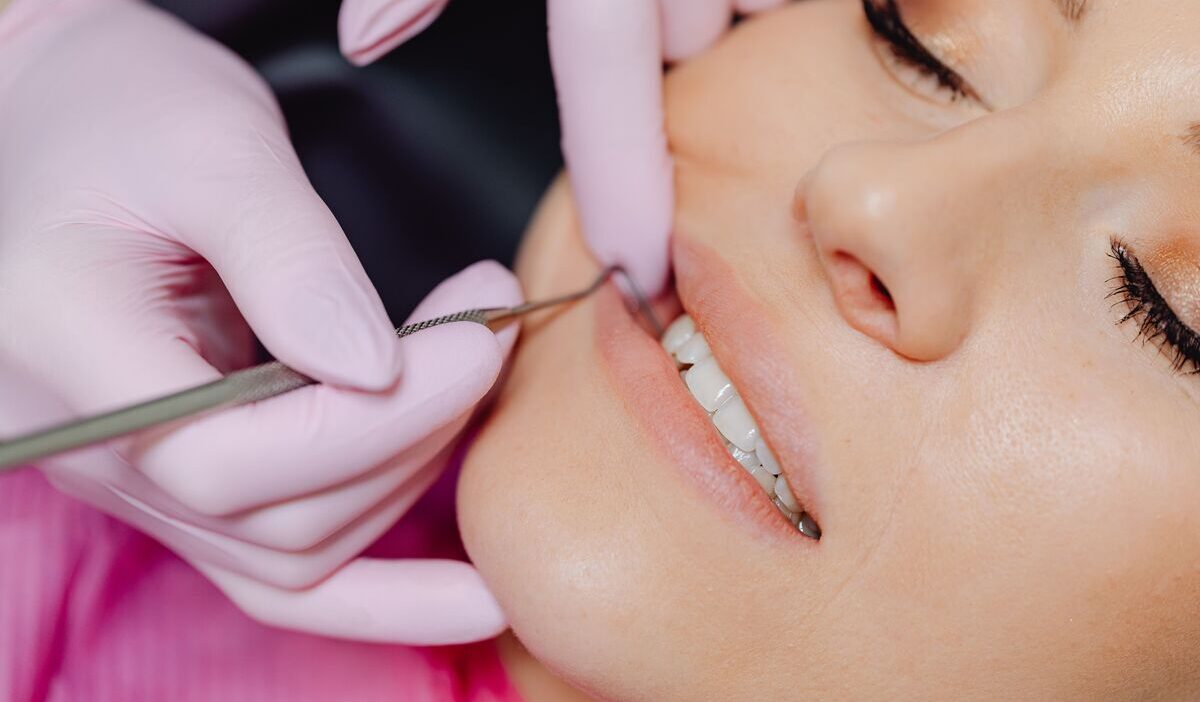
A dental crown is a tooth-shaped restoration placed over a damaged or weakened tooth to restore its shape, strength, function, and appearance. Crowns are commonly used after root canal treatment, for cracked or worn teeth, or to protect teeth with large fillings.
One of the most common questions patients have before getting a crown is how long do crowns last. The answer depends on several factors, including the material used, the location of the tooth, oral hygiene habits, bite pressure, and how well the crown is maintained.
1. How Long Do Crowns Last?
ow long do crowns last on teeth? Most dental crowns last between 5 and 15 years, although some well-maintained crowns can last even longer.
There is no exact expiration date because every crown is affected by the condition of the tooth underneath, daily habits, and the forces placed on it during chewing.
Common crown materials include:
- Porcelain or ceramic crowns
- Porcelain-fused-to-metal crowns
- Metal crowns
- Zirconia crowns
The material can influence durability. For example, metal crowns are known for strength, while ceramic and porcelain options are often selected for their natural appearance, especially on visible teeth.
Several habits can help extend crown lifespan:
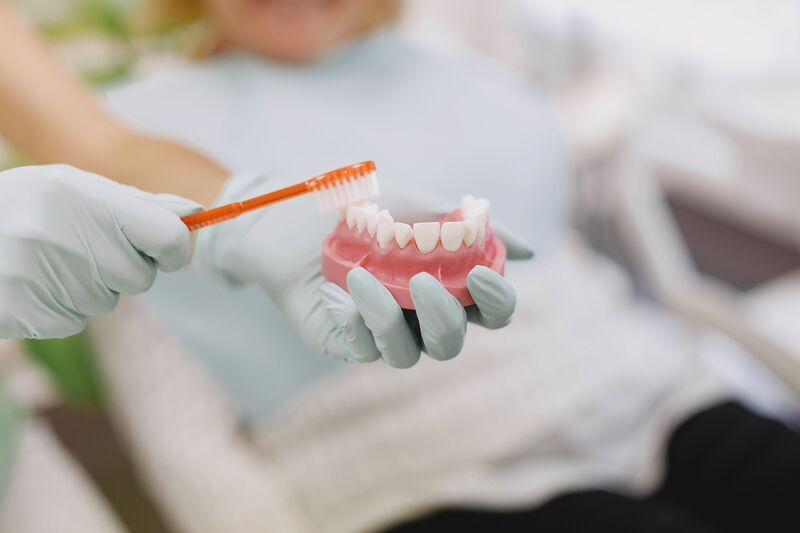
- Brushing twice daily with fluoride toothpaste
- Cleaning between teeth regularly
- Attending routine dental checkups
- Avoiding chewing extremely hard objects
- Addressing teeth grinding or clenching
2. Does Crown Location Affect How Long It Lasts?
Yes. The position of a crown can influence how much pressure it receives and how long it remains functional.
Front teeth and back teeth perform different jobs. Front teeth are mainly involved in cutting and biting, while molars handle much stronger chewing forces.
How Long Do Crowns Last on Front Teeth?
Front tooth crowns commonly last around 10 to 15 years with proper care, although the exact lifespan depends on the material, bite forces, and oral habits.
Since front teeth experience less chewing pressure than molars, they may avoid some of the heavy wear associated with back teeth. However, front crowns can still be damaged by:
- Biting hard objects
- Nail biting
- Accidental trauma
- Teeth grinding
Porcelain and ceramic crowns are frequently chosen for front teeth because they can closely match the appearance of natural enamel.
Even with strong materials, regular dental visits remain important because small cracks, gum changes, or problems beneath the crown may not be visible at home.
>>> Read more: How Long Does Novocaine Last? What to Expect After Dental Numbing
How Long Do Temporary Crowns Last?
Temporary crowns are designed to protect a tooth while a permanent crown is being created.
Most temporary crowns are intended to last from a few weeks to a few months, depending on the treatment timeline and the patient’s situation.
Temporary crowns are made from materials that are not designed for long-term durability. They may become loose, crack, or wear down if they remain in place longer than planned.
While wearing a temporary crown, patients should:
- Avoid sticky foods that can pull it loose
- Chew carefully on the opposite side when possible
- Maintain gentle brushing and flossing
- Contact their dentist if the crown feels loose
How Long Do Crowns Last on Molars and Back Teeth?
Molars experience some of the strongest chewing forces in the mouth, so crown durability in this area depends heavily on material strength and bite pressure.
Many molar crowns last around 10 to 15 years, but some may need replacement sooner if they experience heavy grinding, poor oral hygiene, or repeated stress.
Dentists often choose stronger materials, such as zirconia or metal-based crowns, for molars because these teeth absorb significant daily pressure.
Patients who grind or clench their teeth may shorten crown lifespan because repeated force can create cracks or wear over time.
3. What Can Shorten the Lifespan of a Dental Crown?
Although crowns are designed to be durable, certain habits and oral health problems can reduce how long crowns last.
Teeth Grinding and Clenching
Grinding or clenching, also called bruxism, places excessive pressure on crowns and natural teeth.
Over time, this pressure may cause:
- Small cracks
- Surface wear
- Damage to the crown edges
- Stress on the tooth underneath
People who grind their teeth during sleep may benefit from a custom night guard recommended by a dentist.
Poor Oral Hygiene
A crown itself cannot develop a cavity, but the natural tooth underneath can still decay.
Poor brushing and flossing habits may allow bacteria and plaque to build around the crown margins. This can weaken the tooth supporting the restoration.
Maintaining good oral hygiene helps protect both the crown and the surrounding gum tissue.
Biting Hard or Sticky Foods
Certain foods and habits can put unnecessary stress on crowns.
Examples include:
- Ice chewing
- Hard candy
- Popcorn kernels
- Opening packages with teeth
- Sticky candy
An Improper Fit or Weak Supporting Tooth
A crown depends on the health and structure of the tooth beneath it.
If the crown does not fit properly, food and bacteria may collect around the edges. A weak supporting tooth may also make it harder for the crown to remain stable over time.
Regular dental examinations allow problems to be identified before they become more serious.
4. How Do You Know When a Crown Needs to Be Replaced?
A crown may need replacement when it no longer protects the tooth effectively or begins causing symptoms.
Common warning signs include:
- Pain when biting or chewing
- Sensitivity to hot or cold foods
- A loose crown
- Visible cracks or chips
- Dark lines appearing near the gum
- Food repeatedly getting trapped around the crown
- Swelling or discomfort around the tooth
>>> Read more: How Long Do Veneers Last Before You Need to Replace Them
5. Final Thoughts
So, how long do crowns last? Most dental crowns last about 5 to 15 years, although many can remain functional longer with proper care and regular dental visits.
Temporary crowns are only designed for short-term protection until a permanent restoration is placed. If a crown becomes loose, damaged, painful, or uncomfortable, contacting a dentist early can help prevent further complications.