

Novocaine is a local anesthetic that has long been associated with dental procedures. Although many dentists today use newer anesthetics such as lidocaine, people still commonly use the term “Novocaine” when referring to dental numbing injections.
If you’ve recently had dental work done, you may be wondering how long does novocaine last and when normal feeling will return to your mouth, lips, or tongue.
This guide explains what Novocaine does, how long its effects typically last, and what to expect while the numbness wears off.
1. What Does the Drug Novocaine Do?
Before discussing how long does novocaine last, it’s helpful to understand how the medication works.
Novocaine belongs to a class of drugs known as local anesthetics.
Its primary purpose is to temporarily block nerve signals in a specific area of the body. When injected near nerves, it prevents pain signals from reaching the brain during dental procedures.
As a result, patients can remain comfortable while undergoing treatments such as:
- Fillings
- Crowns
- Root canals
- Tooth extractions
- Deep cleanings
- Other dental procedures
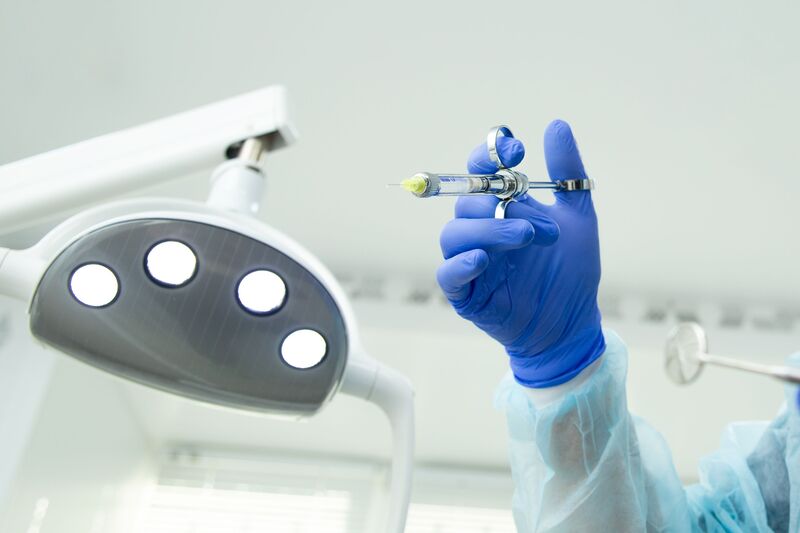
2. How Long Does Novocaine Last?
The short answer depends on the specific anesthetic used, but most patients experience pain relief for approximately 1 to 2 hours and numbness for 2 to 5 hours after treatment.
Some people may regain normal sensation sooner, while others may remain numb for several additional hours.
| Effect | Typical Duration |
|---|---|
| Pain-blocking effect | 1–2 hours |
| Soft tissue numbness | 2–5 hours |
| Extended numbness in some patients | Up to several additional hours |
| Full recovery | Usually within the same day |
How Long Pain Relief Typically Lasts
The pain-blocking effect often wears off before all numbness disappears.
During most routine dental procedures, the anesthetic provides sufficient pain control for the duration of treatment and for a period afterward.
For many patients, pain relief lasts approximately:
- 1 to 2 hours
- Sometimes longer depending on the medication used
- Longer if a vasoconstrictor such as epinephrine is included
Because dental offices often use different anesthetic formulations, the exact timeline varies.
How Long Numbness Usually Lasts
Soft tissue numbness generally lasts longer than the pain-blocking effect.
Areas that may remain numb include:
- Lips
- Tongue
- Gums
- Cheeks
Many people notice numbness lasting between 2 and 5 hours. For certain procedures, the sensation may linger even longer.
3. What Affects How Long Novocaine Stays in Your System?
Several factors influence and how quickly normal sensation returns.
Type of Local Anesthetic Used
Many dental offices now use anesthetics other than traditional Novocaine.
Different medications naturally remain active for different lengths of time.
Use of Epinephrine
Epinephrine is commonly combined with local anesthetics. It narrows blood vessels near the injection site, which can:
- Slow absorption
- Extend pain control
- Prolong numbness
Injection Location
Some areas of the mouth contain more nerve tissue than others. The location of the injection can influence both the intensity and duration of numbness.
Dosage Administered
Larger amounts of anesthetic often take longer to wear off.
This is one reason extensive procedures may result in longer-lasting numbness than simple treatments.
Individual Metabolism
Every person’s body processes medications differently. Factors can influence recovery time, such as:
- Age
- Blood circulation
- Overall health
- Metabolic rate
4. How Long Does It Take for 4 Shots of Novocaine to Wear Off?
There is no exact answer because the number of injections alone does not determine recovery time.
Four injections may:
- Cover multiple treatment areas
- Deliver different total amounts of anesthetic
- Include or exclude epinephrine
- Be used during complex procedures
In many cases, patients who receive four injections may experience numbness for several hours after treatment.
For some individuals, sensation begins returning within 3 to 5 hours, while others may notice lingering numbness later into the day.
If numbness persists unusually long or is accompanied by concerning symptoms, contacting the dental office is recommended.
5. What Should You Not Do After Novocaine?
While waiting for the anesthetic to wear off, certain precautions can help prevent accidental injury and discomfort.
Avoid Eating Until Sensation Returns
Eating while your mouth is numb can increase the risk of accidental injury.
You may unknowingly:
- Bite your tongue
- Bite your cheek
- Injure your lips
- Choke on food that isn’t chewed properly
Many dentists recommend waiting until most sensation has returned before eating solid foods.
Be Careful With Hot Foods and Drinks
Numb tissues may not properly detect heat.
As a result, hot foods and beverages can cause burns without immediate warning. Examples include:
- Coffee
- Tea
- Soup
- Pizza
- Heated leftovers
Until numbness improves, it is generally safer to choose foods and drinks that are cool or lukewarm.
Don’t Bite Your Lips, Tongue, or Cheeks
This is one of the most common complications after dental numbing.
Children are particularly prone to chewing or biting numb tissues out of curiosity, but adults can do the same unintentionally.
Because pain sensation is reduced, injuries may not be noticed immediately.
Take Extra Care When Speaking or Chewing
Temporary numbness can affect normal muscle control. Some patients notice:
- Slightly slurred speech
- Drooling
- Difficulty controlling facial movements
- Awkward chewing
These effects are usually temporary and improve as the anesthetic wears off.
>>> Read more: Can You Buy Formula With EBT? What SNAP Covers for Infant Nutrition
6. How Can You Make the Numbness Wear Off More Comfortably?
Although there is no guaranteed way to instantly reverse routine dental numbness, a few simple measures may help you remain comfortable while waiting for normal sensation to return.
Stay Hydrated
Drinking water supports overall circulation and recovery.
While hydration will not dramatically shorten how long novocaine last, it may help you feel more comfortable as the effects gradually fade.
Avoid very hot beverages until sensation returns.
Move Your Jaw Gently
Once approved by your dentist, gentle jaw movement may help restore normal function and reduce stiffness.
Examples include:
- Light conversation
- Gentle jaw stretching
- Normal facial movement
Avoid aggressive chewing or excessive movement that could irritate the treatment area.
Follow Your Dentist’s Instructions
Your dentist understands the specific procedure that was performed and the anesthetic that was used.
Following post-treatment instructions is often the safest approach.
Instructions may vary depending on:
- Fillings
- Extractions
- Root canals
- Oral surgery
- Periodontal treatments
Avoid Unverified Home Remedies
The internet contains many suggestions for making dental numbness disappear faster.
However, many of these methods lack scientific support.
Avoid attempting remedies that involve:
- Excessive heat
- Aggressive massage
- Unapproved medications
- Techniques not recommended by your dentist
For most patients, time remains the safest and most reliable solution.
>>> Read more: Can You Buy Vitamins With EBT? Why Most Are Not Covered
7. Conclusion
If you’re wondering how long does novocaine last, most people experience pain relief for approximately one to two hours, while numbness commonly lasts between two and five hours.
The exact duration depends on factors such as the type of anesthetic used, the injection location, the dosage administered, and individual metabolism. While recovery times vary, most patients regain normal sensation within the same day.