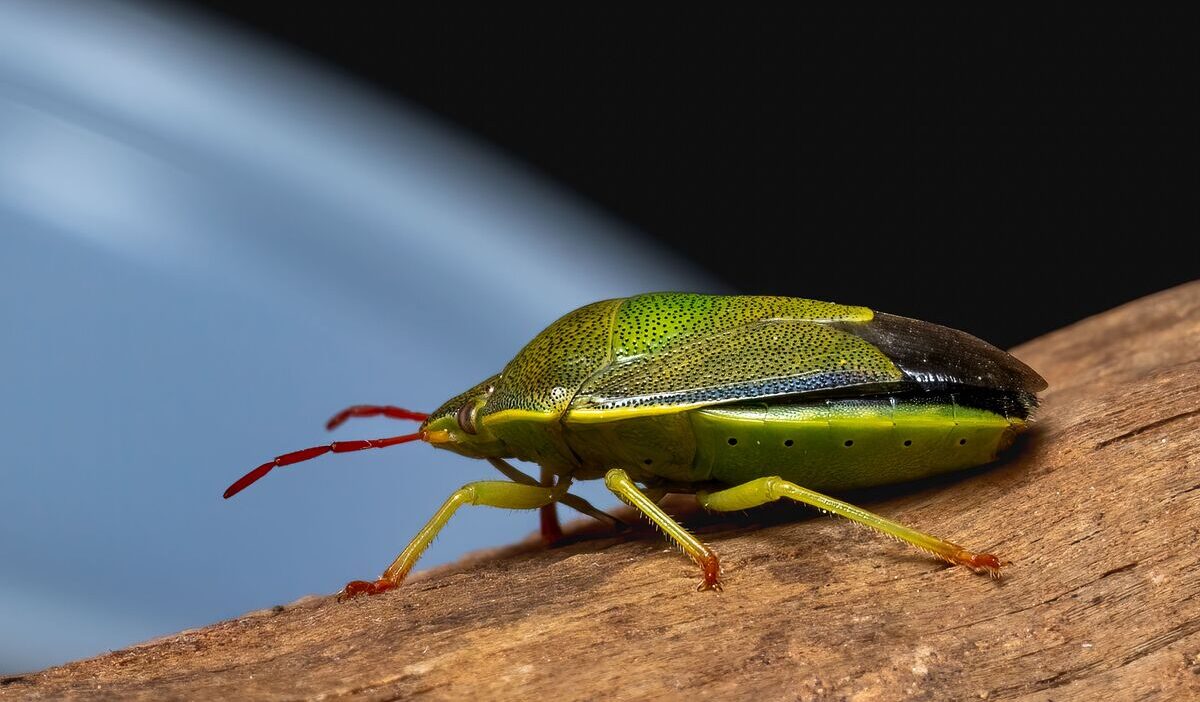
Stink bugs often appear indoors in large numbers during fall and again in late winter or spring. The brown marmorated stink bug is the species most commonly associated with home invasions because adults seek protected places to spend the winter.
The most effective approach to how to get rid of stink bugs is physical removal combined with exclusion. These insects do not normally reproduce or damage structures indoors, so the goal is to remove the bugs already present and close the openings they use to enter.
1. Why Do I Suddenly Have So Many Stink Bugs?
During late summer and fall, adult brown marmorated stink bugs search for protected overwintering sites.
They often gather on warm, sunny exterior walls before moving through cracks around siding, windows, doors, rooflines, vents, and utility openings. Populations are commonly most noticeable from late summer through October, although timing varies by climate.
Once inside, the bugs may settle in attics, wall voids, behind baseboards, around window trim, beneath furniture, or near ceiling lights.
Warm indoor temperatures can cause some of them to become active during winter, while others emerge as spring approaches.
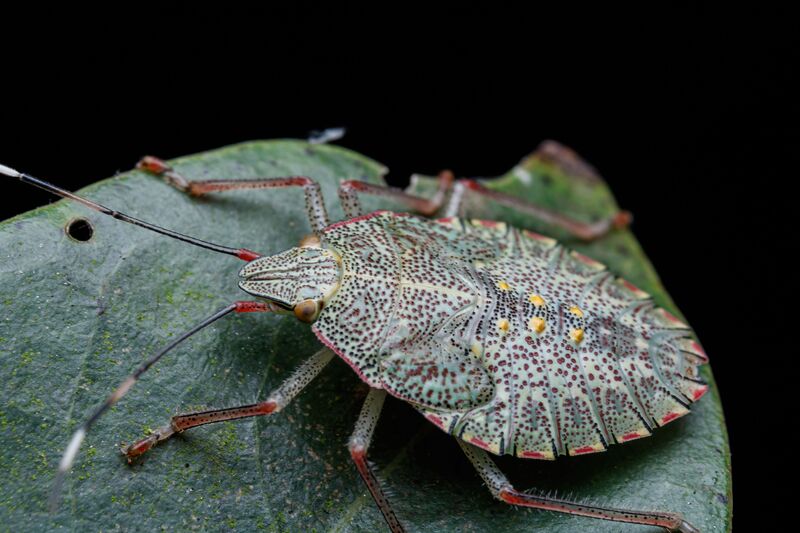
2. What Attracts Stink Bugs and How to Get Rid of Them Naturally?
Stink bugs are attracted primarily to protected overwintering spaces rather than food inside the home.
Warm exterior surfaces, sunny walls, loose siding, gaps around trim, and openings near windows or roof edges can make a building easier to enter.
Light may also draw active bugs toward windows, lamps, and ceiling fixtures after they have already entered the structure.
Outdoor vegetation near the foundation can provide temporary shelter, but removing every plant will not necessarily stop an invasion.
For anyone asking what attracts stink bugs and how to get rid of them naturally, the best nonchemical methods are:
- Vacuuming visible insects
- Sweeping them into soapy water
- Using a light trap over a pan of soapy water
- Sealing entry points
- Repairing screens and weather stripping
Avoid crushing stink bugs. When disturbed or smashed, they release the strong odor that gives them their name. Vacuuming is efficient, but the vacuum bag or canister may temporarily retain the smell.
University of Maryland Extension suggests catching them in a stocking attached inside the vacuum hose so they can be removed before entering the machine.
3. How to Locate a Stink Bug Nest?
Stink bugs do not build a nest inside the home in the way ants, wasps, or rodents establish a permanent colony. Therefore, how to locate a stink bug nest is usually the wrong question.
Instead, look for overwintering clusters and the openings through which the insects move. Common locations include:
- Attics and upper wall voids
- Cracks beneath or behind baseboards
- Window and door trim
- Exhaust fans and ceiling lights
- Gaps behind siding
- Chimneys and roof edges
- Utility pipe and cable openings
- Spaces beneath sofas, beds, or stored objects
4. How to Get Rid of Stink Bugs?
Begin with the following steps:
- Vacuum or gently collect visible stink bugs.
- Empty captured insects into soapy water.
- Avoid crushing them against walls, curtains, or furniture.
- Inspect the room for repeated emergence points.
- Seal cracks around baseboards, trim, lights, and exhaust fans.
- Repair outdoor gaps before the next fall season.
- Continue removal as additional overwintering bugs emerge.
The light attracts insects, while the soap reduces the water’s surface tension. EPA notes that this type of trap can capture stink bugs, but other control measures are still needed for complete management.
>>> Read more: Moles Tearing Up the Lawn? How to Get Rid of Moles and Protect Your Yard
5. How Can You Keep Stink Bugs From Entering Your Home?
Focus on the following exterior weak points before late summer and fall.
Seal Gaps Around Windows and Doors
Inspect window frames, door frames, siding joints, fascia boards, roof edges, chimneys, and foundation cracks.
Seal small openings with a suitable exterior silicone or silicone-latex caulk. Larger gaps may require durable mesh, flashing, or another building repair rather than caulk alone. Mechanical exclusion is consistently identified as the best way to prevent indoor stink bug invasions.
Repair Screens and Weather Stripping
Replace torn window and door screens, and check screens covering attic vents, crawl-space openings, and exhaust outlets.
Install or replace weather stripping around doors and windows that no longer close tightly. Check door sweeps for gaps along the threshold.
Close Openings Around Pipes and Utility Lines
Inspect where plumbing, electrical cables, gas lines, air-conditioning lines, and other utilities enter the building.
Seal small gaps around these penetrations and use steel wool or suitable mesh in larger openings where appropriate. Chimneys should have properly fitted caps or screens. EPA specifically recommends closing foundation, crawl-space, plumbing, and chimney entry points.
Reduce Outdoor Lighting Near Entry Points
Bright exterior lighting can draw many flying insects toward doors and windows. Reducing unnecessary lights near entrances may lower the number gathering around potential access points.
Use only the lighting needed for safety, move fixtures farther from doors where practical, and keep doors closed when nearby lights are on. However, lighting changes should support exclusion rather than replace sealing and screen repair.
>>> Read more: Carpenter Bees Damaging Wood? How to Get Rid of Carpenter Bees Without Worsening the Problem
6. Final Thoughts
The best strategy for how to get rid of stink bugs is to remove active insects gently and block the routes that allowed them indoors. These pests usually enter buildings to overwinter; they do not normally establish reproducing indoor nests or damage the structure.
Use a vacuum, soapy-water container, or light trap for insects already inside. Then inspect windows, doors, siding, vents, pipes, rooflines, and utility penetrations for gaps.