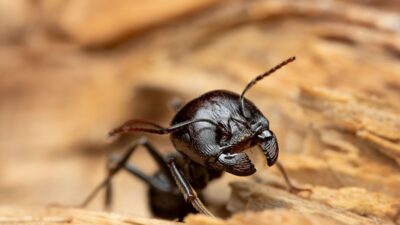
Silverfish are small, wingless insects with silvery scales, long antennae, and three tail-like appendages. They move quickly and often disappear into cracks as soon as lights come on.
The most effective approach to how to get rid of silverfish is to make the home less humid, remove their food and hiding materials, and treat only the cracks or voids where activity continues.
1. Why Are Silverfish Appearing in Your Home?
Silverfish prefer dark, quiet places with moisture and access to starchy materials.
They may remain hidden for long periods, so an infestation can become noticeable only after several insects begin wandering into bathrooms, closets, or living areas.
The following conditions commonly explain why silverfish activity continues inside a home.
High Humidity and Water Leaks
Silverfish are strongly associated with cool, damp, and dark environments. They are commonly found in basements, bathrooms, kitchens, laundry areas, crawl spaces, and rooms affected by leaking pipes or condensation.
High humidity does not automatically cause an infestation, but it creates conditions in which silverfish can survive more easily.
Dark, Undisturbed Hiding Places
Their flat bodies allow silverfish to hide beneath baseboards, inside wall voids, behind cabinets, around window and door trim, and in gaps where pipes pass through floors or walls.
Paper, Glue, and Starchy Materials
Silverfish feed on a range of carbohydrate-rich materials. Potential food sources include flour, cereal, pasta, book bindings, paper coatings, wallpaper paste, cardboard, and some adhesives.
They may also feed on crumbs and debris trapped in carpets or upholstered furniture. Penn State Extension recommends storing pantry foods in airtight containers and vacuuming floors and furniture regularly to reduce available food.
>>> Read more: Moles Tearing Up the Lawn? How to Get Rid of Moles and Protect Your Yard
2. How to Get Rid of Silverfish
Avoid spraying an entire room. EPA guidance recommends removing food, water, and shelter first, then placing pesticide products only in targeted locations rather than applying them broadly. Begin with these steps:
- Inspect bathrooms, basements, closets, kitchens, attics, and laundry areas.
- Repair plumbing leaks and dry damp surfaces.
- Use a dehumidifier in humid basements or poorly ventilated rooms.
- Remove unnecessary cardboard, paper piles, and clutter.
- Store cereal, flour, pasta, pet food, and similar products in airtight containers.
- Vacuum cracks, carpet edges, shelves, and spaces beneath furniture.
- Place sticky traps where silverfish have been seen.
- Seal cracks after activity has declined.
- Use a labeled crack-and-crevice treatment only if nonchemical measures are not enough.
3. Which Silverfish Control Methods Work Best?
No single control method is likely to solve an established infestation. Penn State Extension recommends combining sanitation, dehumidification, habitat modification, and carefully targeted insecticide use when necessary.
Sticky Traps for Monitoring
Sticky traps can capture wandering silverfish and show where activity is concentrated. Place them against walls, beneath sinks, inside closets, near bookshelves, and around plumbing openings.
Vacuuming and Deep Cleaning
Vacuuming removes visible insects, shed skins, eggs, food particles, and debris from cracks and hidden edges.
Focus on baseboards, closet floors, carpet edges, upholstered furniture, bookshelves, cabinet corners, and spaces beneath appliances. Dispose of vacuum contents promptly.
Moisture Control
Moisture reduction is often the most important long-term measure. Use ventilation or a dehumidifier after identifying and correcting the source of excess humidity.
University of Minnesota Extension notes that indoor moisture problems can develop when relative humidity rises above approximately 50%.
Treatments for Cracks and Hidden Areas
If cleaning and moisture reduction do not provide sufficient control, a labeled dust or spray may be applied to cracks, crevices, and wall voids where permitted.
Penn State Extension identifies desiccant dusts such as diatomaceous earth and silica aerogel as options for dry cracks and voids.
>>> Read more: Stink Bugs in Your Home? How to Get Rid of Stink Bugs and Keep Them Out
4. How Can You Keep Silverfish From Coming Back?
The following habits are especially useful in rooms with previous activity.
Reduce Indoor Humidity
Use a dehumidifier in damp basements and maintain ventilation in bathrooms, kitchens, and laundry rooms. Keep indoor humidity as low as practical without creating excessive dryness.
A humidity meter can help identify rooms where moisture remains high even when surfaces appear dry.
Repair Leaks and Improve Ventilation
Fix leaking pipes, roof damage, condensation problems, and drainage issues promptly. Use bathroom fans during and after showers, and make sure kitchen and clothes-dryer vents discharge outdoors.
If moisture cannot be removed at its source, improve airflow or use mechanical dehumidification.
Store Paper and Clothing Properly
Keep valuable papers, photographs, books, and natural-fiber clothing in clean, dry storage areas. Use sealed plastic containers instead of cardboard boxes when long-term protection is needed.
Avoid storing books or fabrics directly against damp basement walls or concrete floors. Inspect stored items periodically for feeding damage, shed skins, or live insects.
Seal Cracks and Entry Points
Seal gaps beneath baseboards, around windows and doors, and where pipes or wires pass through walls and floors.
Penn State recommends using caulk, spackle, or expandable foam to reduce access to wall interiors and other harborages. EPA likewise advises closing cracks and crevices around cabinets, baseboards, and pipes.
5. FAQs
Why Shouldn’t You Kill a Silverfish?
There is no safety reason that prevents you from removing a silverfish. However, killing one visible insect does not address the moisture, food, and hiding places supporting the rest.
What Smell Do Silverfish Hate?
Lavender, citrus, cedar, and other strong scents are frequently promoted as repellents, but authoritative extension guidance does not identify any household odor as a dependable way to eliminate silverfish.
Can Silverfish Bite Humans or Pets?
Silverfish are mostly nuisance pests and are not known for biting people or pets. Their mouthparts are adapted for feeding on starchy materials rather than skin. University of Minnesota Extension describes them primarily as a nuisance that may damage paper.
6. Final Thoughts
The most dependable method for how to get rid of silverfish is to target the conditions that allow them to survive. Repair leaks, lower humidity, remove cardboard and paper clutter, store food securely, and vacuum hidden areas.
If silverfish continue appearing throughout several rooms after moisture and storage problems have been corrected, contact a licensed pest control professional to locate hidden harborages and develop a targeted treatment plan.