Raised ridges, loose soil, and fresh molehills can make a healthy lawn look damaged almost overnight. Their movement can lift turf, expose roots to air, and leave uneven ground that is difficult to mow.
The most effective approach to how to get rid of moles begins with identifying active travel tunnels. Treating abandoned runs wastes time, while traps or other controls placed in frequently reused tunnels are more likely to work.
1. How Can You Tell if a Mole Tunnel Is Active?
Not every raised ridge is still being used. Moles create temporary feeding tunnels as well as deeper, more permanent routes, so control should focus on the sections they repeatedly reopen.
Flatten and Recheck the Tunnel
Choose several fresh-looking ridges and press them down firmly with your foot. Mark the locations so you can find them again.
Return after several hours or within 24 hours. If the mole pushes the turf or soil upward again, the tunnel is active.
The University of Minnesota Extension recommends compressing surface tunnels and checking whether they are rebuilt within 24 hours before setting a trap.
Identify Main Travel Tunnels
Main travel tunnels are often straighter and longer than the winding ridges created during short feeding searches. They may run beside sidewalks, fences, building foundations, landscape borders, or other solid edges.
Avoid choosing a trap site directly on top of a molehill. Molehills usually mark soil pushed up from deeper tunnels rather than the best place to intercept regular travel. Focus on active surface runs that connect several parts of the tunnel network.
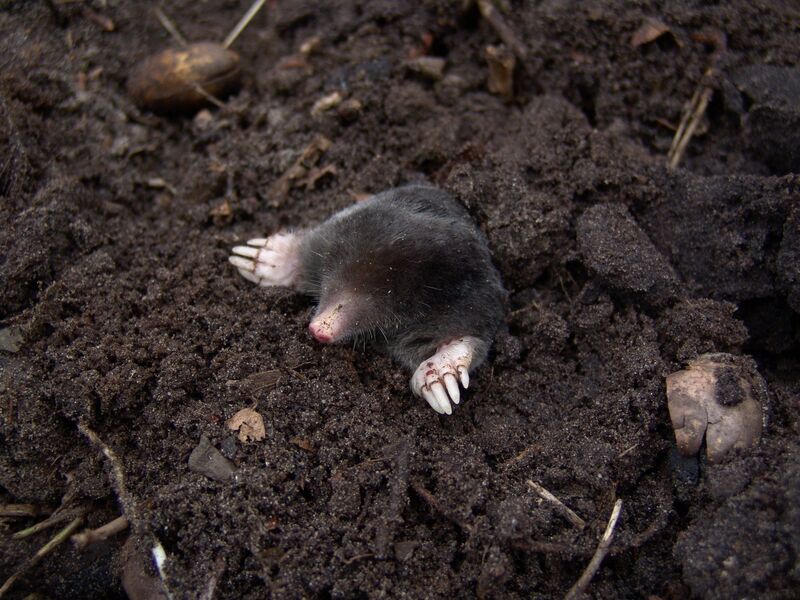
2. Which Mole Control Methods Work Best?
Trapping is generally considered the most reliable and proven way to control an active mole in a lawn. Barriers can protect small garden areas, while repellents may provide inconsistent or temporary results.
3. How to Get Rid of Moles?
How to get rid of moles in your yard? Traps are most practical for active lawn tunnels, while underground barriers may be useful around smaller flower or vegetable beds.
Mole Traps
For most yards, traps offer the best chance of removing the mole that is actively creating damage. Common designs include harpoon, scissor-jaw, and choker-loop traps.
Check traps at least every 24 hours. If a trap has not been triggered after a couple of days and the tunnel is no longer being rebuilt, move it to another active route. Correct location is usually more important than the particular trap style.
Barriers and Exclusion
Underground barriers can protect small, valuable spaces such as seedbeds, flower beds, or compact gardens. They are usually impractical for an entire lawn because installation requires significant digging.
Penn State Extension recommends a buried L-shaped barrier made from sheet metal or hardware cloth.
The material is placed approximately 12 inches deep, with a horizontal section extending outward to discourage the mole from tunneling beneath it.
Repellents and Home Remedies
Castor-oil-based repellents are widely sold for mole control, but their results vary. Rain and irrigation may shorten their effect, and the mole may simply move to another section of the property.
Plants marketed as “mole plants,” ultrasonic stakes, mothballs, broken glass, chewing gum, and attempts to flood tunnels are not consistently supported by extension guidance.
Some can also create risks for pets, children, soil organisms, or groundwater.
>>> Read more: Carpenter Bees Damaging Wood? How to Get Rid of Carpenter Bees Without Worsening the Problem
4. How Can You Repair Mole Damage in the Lawn?
After active tunneling has stopped, most surface damage can be repaired without replacing the entire lawn.
Press Raised Tunnels Back Into Place
Walk over fresh ridges or press them down using the back of a rake. The goal is to bring the lifted sod and roots back into contact with the soil beneath.
Water lightly afterward if the soil is dry. Avoid soaking the area, since consistently moist soil can encourage earthworm activity near the surface and may make the yard attractive to moles again.
Level Molehills and Reseed Thin Turf
Spread the loose soil from molehills across nearby low spots or return it to the lawn in a thin layer. Remove stones and large clods before mowing.
Rake damaged turf lightly, add compatible grass seed, and keep the seedbed evenly moist until new growth becomes established. Avoid creating a thick soil layer over healthy grass, which could smother the turf.
>>> Read more: How to Get Rid of Mice in the House and Block Their Return
5. FAQs
How Many Moles Usually Live in One Yard?
Moles are generally solitary outside the breeding season. A yard with extensive tunnels may contain only one or a few individuals.
Do Moles Leave on Their Own?
They may move when soil becomes dry, food becomes less available, or nearby habitat becomes more attractive. However, a suitable lawn with moist soil and abundant earthworms can continue attracting moles.
What Time of Year Are Moles Most Active?
Moles remain active throughout the year and do not hibernate. Surface activity is often most noticeable during spring and fall or during warm, wet periods when earthworms and soil insects are closer to the surface.
Can Moles Damage Sprinkler Systems?
Moles mainly feed on soil invertebrates and are not known for deliberately chewing irrigation pipes. However, their tunneling can loosen soil around shallow sprinkler heads or expose existing lines, which may contribute to movement, uneven settling, or leaks in already vulnerable systems.
6. Final Thoughts
The best answer to how to get rid of moles is to locate active tunnels and place an appropriate trap where the mole is regularly traveling. Flattening and rechecking ridges prevents wasted effort on abandoned runs.
Barriers can protect small garden areas, but they are rarely practical across an entire lawn. Repellents may provide temporary relief, while many popular home remedies lack reliable evidence.