
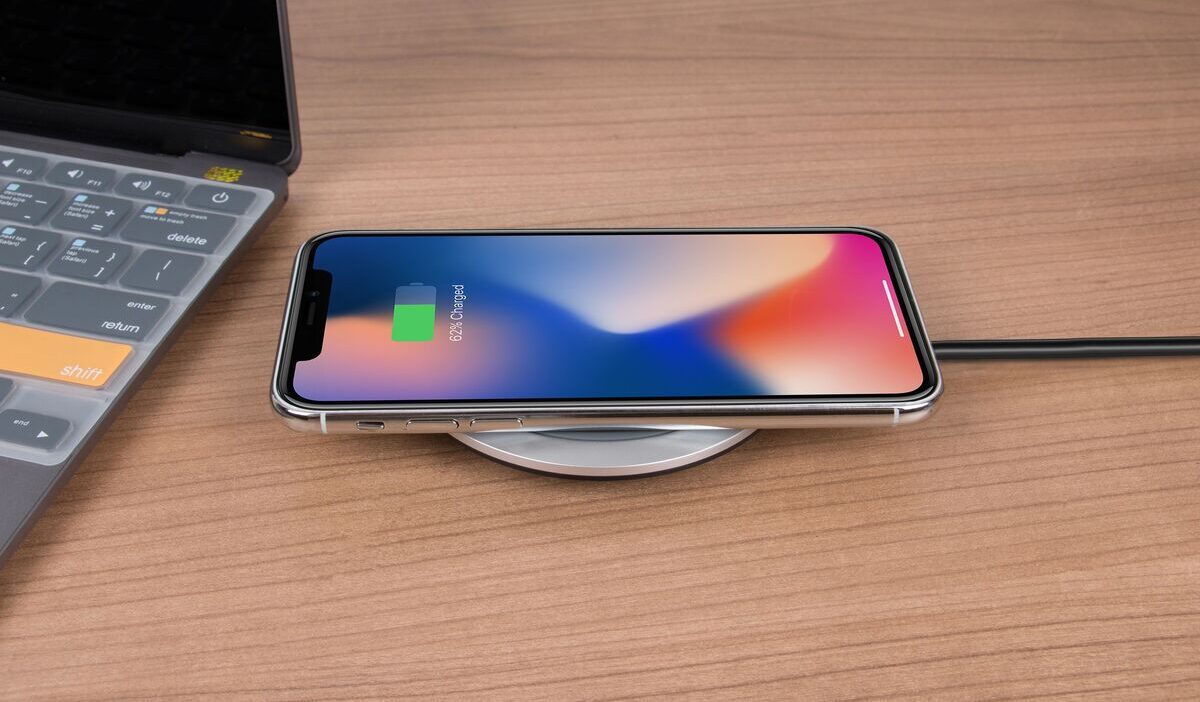
iPhones are known for their long lifespan compared to many other smartphones. Strong hardware, extended software support, and reliable performance allow many users to keep their devices for years before upgrading.
Still, a common question remains: how long do iPhones last?
The answer depends on several factors, including battery health, software support, physical condition, and usage habits. While some iPhones remain functional for six years or more, others may show signs of aging much sooner.
This guide explains how long do iPhones last, what affects longevity, and how to maximize the lifespan of your device.
1. How Long Do iPhones Last?
Direct Answer
In general, most iPhones can last five to seven years or longer when properly maintained.
However, different parts of the device age at different rates. The battery may need replacement after a few years, while the hardware and software can often remain usable much longer.
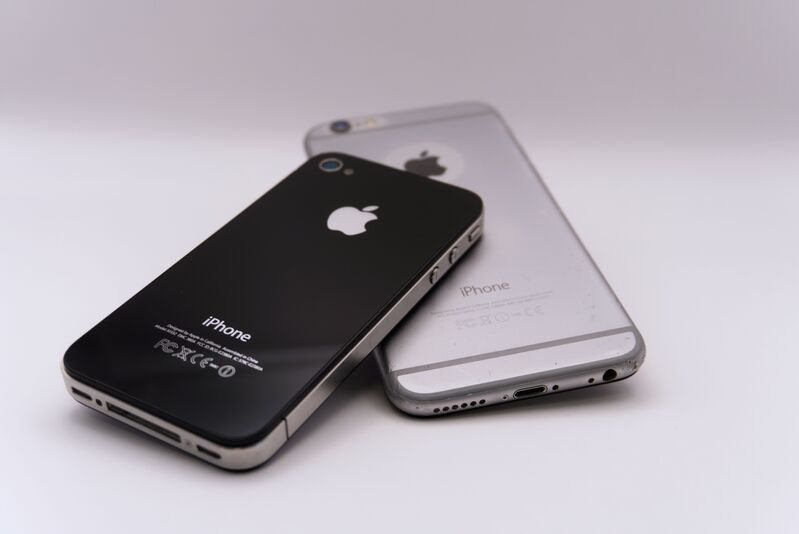
Typical iPhone Lifespan Overview
| Component | Typical Lifespan |
| Overall iPhone lifespan | 5–7+ years |
| Hardware lifespan | 5–8 years or more |
| Battery lifespan | About 2–4 years before noticeable degradation |
| iOS software support | Typically 5–7 years after release |
| Security updates | Often continue beyond major iOS support |
| Well-maintained devices | Can remain functional for 7+ years |
This overview helps answer the question how long do iPhones last from both a hardware and software perspective.
Average Hardware Lifespan
Apple devices are generally built with durable materials and high-quality components.
Under normal use, an iPhone’s:
- Processor
- Display
- Cameras
- Internal storage
- Speakers
can remain functional for many years.
Many users continue using older models successfully even after five or six years, particularly if the device has not suffered significant physical damage.
Hardware failures are often less common than battery-related issues.
Battery Lifespan
For most users, the battery is the first major component to show signs of aging.
Lithium-ion batteries naturally lose capacity over time due to charging cycles and chemical aging.
As battery health declines, users may notice:
- Faster battery drain
- Reduced screen-on time
- Unexpected shutdowns
- Lower performance under heavy workloads
Many iPhones benefit from a battery replacement after approximately two to four years of regular use.
A new battery can often make an older device feel significantly more usable.
Software Support
One reason iPhones tend to last longer than many smartphones is Apple’s extended software support.
Apple frequently provides:
- Major iOS updates
- Security updates
- Bug fixes
- Feature improvements
For devices long after release.
Even after a model stops receiving major iOS upgrades, it may continue receiving security patches for additional years.
Because of this support cycle, software support is one reason iPhones often remain usable for many years, though app compatibility may become an issue after major iOS support ends.
2. What Usually Determines an iPhone’s Lifespan?
Several factors influence how long do iPhones last.
- Battery health: Aging batteries can reduce performance and usability.
- Software support: Devices that continue receiving updates generally remain secure and compatible longer.
- Charging habits: Frequent exposure to extreme temperatures or poor charging practices can accelerate battery degradation.
- Storage capacity: Devices with limited storage may become difficult to use as apps and files grow larger.
- Physical damage: Drops, water exposure, and cracked components can shorten lifespan.
- Repairs: Timely repairs can significantly extend the useful life of an iPhone.
No single factor determines longevity on its own. Instead, overall lifespan usually reflects a combination of maintenance, usage patterns, and hardware condition.
3. Signs It’s Time to Replace or Upgrade Your iPhone
Even well-maintained devices eventually reach a point where replacement may be the better option.
- Battery Drains Quickly
Rapid battery loss is one of the most common indicators of an aging phone.
If battery health has declined significantly and the device struggles to last through the day, it may be time for a battery replacement or upgrade.
- Frequent Overheating
Occasional warmth is normal during intensive tasks.
However, persistent overheating during everyday activities may indicate hardware degradation, battery issues, or increased strain on aging components.
- Slow Performance
Older devices can sometimes struggle with:
- New applications
- Multitasking
- Large files
- New operating system demands
Consistent lag and delayed responsiveness may reduce overall usability.
- Storage Is Always Full
Running out of storage repeatedly can impact performance and limit functionality.
This is particularly common on older devices with lower storage capacities.
- Apps No Longer Support the Device
Eventually, some apps require newer versions of iOS than older phones can support.
When essential apps stop receiving updates or become incompatible, replacement may become more practical.
- No Longer Receives Security Updates
Security updates help protect personal information and device integrity.
Once support ends, continued use may expose the device to increased security risks.
- Cracked or Damaged Hardware
Major damage such as:
- Cracked displays
- Charging port failures
- Water damage
- Camera issues
can significantly affect usability.
- Repairs Cost More Than the Phone’s Value
In some cases, repair costs approach or exceed the value of the device itself.
When multiple major repairs are needed, replacing the phone may offer better long-term value.
>>> Read more: Free Government Phone and Tablet Unlimited Data iPhone: What’s Actually Available?
4. How to Make Your iPhone Last Longer?
If you’re hoping to maximize how long do iPhones last, a few simple habits can make a significant difference.
Protect the Battery
Battery health plays a major role in long-term performance.
To reduce battery wear:
- Avoid exposing your iPhone to extreme heat.
- Try not to leave the battery at 0% for long periods.
- Enable Optimized Battery Charging when available.
- Reduce unnecessary background activity.
Good battery habits can slow capacity loss and help maintain performance over time.
Keep iOS Updated
Software updates often include:
- Security improvements
- Performance enhancements
- Bug fixes
- Compatibility updates
Installing updates regularly helps keep the device secure and functioning as intended.
Use Quality Chargers
Low-quality charging accessories may generate excessive heat or provide inconsistent power.
For best results:
- Use Apple-certified accessories.
- Replace damaged charging cables.
- Avoid unreliable charging products.
Quality chargers help protect both the battery and charging components.
Free Up Storage
A nearly full device can feel slower and become harder to manage.
Regularly:
- Delete unused apps.
- Remove old downloads.
- Clear large videos and files.
- Back up photos to cloud storage if desired.
Maintaining available storage helps improve day-to-day performance.
Protect Against Physical Damage
Physical damage remains one of the fastest ways to shorten an iPhone’s lifespan.
Consider using:
- A quality protective case
- A screen protector
- Water-resistant precautions
Preventing damage is often far less expensive than repairing it later.
5. Is It Better to Replace the Battery or Buy a New iPhone?
In many situations, replacing the battery is the more cost-effective option.
If the iPhone still performs well, receives software updates, and meets your daily needs, a battery replacement can significantly improve usability at a fraction of the cost of a new device.
However, purchasing a new iPhone may make more sense if:
- The device no longer receives software updates.
- Storage capacity is insufficient.
- Multiple hardware components require repair.
- Performance remains poor even after battery replacement.
For many users, replacing the battery can add several additional years of useful life to an otherwise functional iPhone.
>>> Read more: Best Free Government Phone and Tablet Unlimited Data Plans: Is It Real?
6. FAQs
What is the 20/80 rule in iPhone?
The 20/80 rule refers to a battery-care practice where users try to keep the battery level between approximately 20% and 80% rather than frequently draining it completely or keeping it at 100% for extended periods. While not required, this habit may help reduce long-term battery wear.
Can an iPhone last 5 years?
Yes. Many iPhones remain fully functional for five years or more. Thanks to durable hardware and long software support cycles, reaching five years of use is common for well-maintained devices.
Is Charging to 100% Bad?
Charging to 100% occasionally is not harmful. However, keeping the battery at 100% for extended periods every day may contribute to faster long-term battery aging.
Which iPhone Components Wear Out First?
The battery is usually the first component to experience noticeable aging. In most cases, the battery reaches the end of its optimal lifespan before the main processor or display.
7. Conclusion
If you’re wondering how long do iPhones last, most users can expect around five to seven years of reliable use, with some devices remaining functional even longer. Battery health, software support, storage needs, and overall device condition all play important roles in determining longevity.
Understanding how long iPhones last allows you to make better decisions about maintenance, repairs, and future upgrades.