

A lash lift is a semi-permanent beauty treatment that reshapes natural eyelashes, so they appear more lifted and curled. It does not add synthetic fibers like lash extensions; instead, it enhances the lashes already growing along your eyelids.
Before booking the treatment, many people want to know how long does lash lift last and whether the results require frequent maintenance. Most lash lifts remain noticeable for several weeks, but the exact timeline depends on natural lash growth, treatment quality, and aftercare.
1. What Is a Lash Lift?
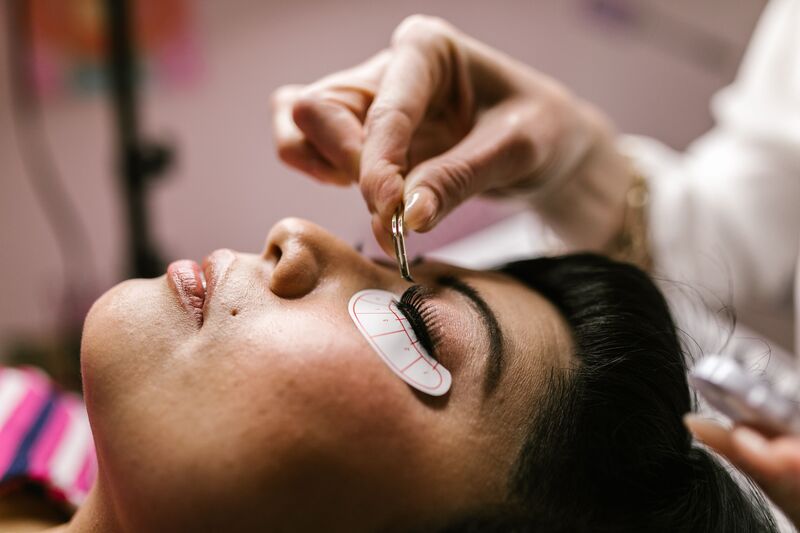
It can be described as a curling treatment for natural eyelashes. A technician places the lashes against a curved silicone shield and applies professional solutions that temporarily reshape them into an upward position.
The treatment can make natural lashes appear:
- Longer and more visible
- More evenly curled
- Better defined without extensions
- Easier to style with mascara
A lash lift does not permanently change how future eyelashes grow. Only the lashes present during the appointment are treated.
As those lashes naturally fall out and new ones grow in, the overall curl gradually becomes less uniform.
2. How Long Does Lash Lift Last?
The direct answer is usually six to eight weeks. Some people notice the curl softening after four to six weeks, while others retain a visible lift for slightly longer.
| Time After Treatment | Typical Appearance |
|---|---|
| First 24–48 hours | Lashes appear freshly lifted; aftercare matters most |
| Weeks 1–3 | Curl usually looks strongest and most even |
| Weeks 4–6 | Lift remains visible as natural shedding begins |
| Weeks 6–8 | More untreated lashes appear and the curl softens |
| After 8 weeks | Many clients consider another treatment |
The result does not disappear overnight. Lifted lashes shed individually and are replaced with new lashes that have not been treated.
3. Why Does the Longevity of a Lash Lift Vary?
Although six to eight weeks is a common estimate, there is no identical timeline for every client.
Natural Lash Growth Cycle
Eyelashes grow, rest, shed, and replace themselves as part of a natural cycle. The American Academy of Ophthalmology notes that lashes generally grow, fall out, and renew over approximately six to ten weeks.
A lash that was already near the end of its growth cycle during treatment may fall out sooner. A newer lash may remain in place much longer. As a result, the lifted effect becomes less consistent as untreated growth replaces the original lashes.
Individual Hair Texture
Natural lash thickness, flexibility, length, and direction can influence how the finished curl looks and how well it holds.
Fine or flexible lashes may respond differently from thick, coarse, or very straight lashes. However, texture alone does not provide an exact expiration date for the treatment. The technician must select the shield size and processing approach based on the condition of the natural lashes.
Quality of the Treatment
A carefully performed treatment is more likely to produce even and lasting results. Important variables include:
- Correct shield selection
- Even placement of the lashes
- Suitable processing time
- Product quality
- Technician experience
Underprocessing may create a weak lift that relaxes early. Excessive processing may leave lashes dry or fragile.
A qualified technician should inspect the lashes before treatment and adapt the service rather than applying one standard method to everyone.
Daily Habits and Lifestyle
Regular friction and pressure can make lifted lashes look untidy sooner. Common examples include rubbing the eyes, sleeping face-down, pulling at the lashes, and removing makeup aggressively.
Heat, steam, rich creams, and oils around the eye area may also affect a fresh treatment, depending on the professional system used. Aftercare instructions can vary, so the directions given by the technician should take priority.
>>> Read more: How Long Do Lash Extensions Last? Beauty Tips That You Need
4. What Happens to Your Lashes Week by Week?
During the first one to three weeks, most treated lashes are still present, so the curl generally looks strong and uniform. This is often the period when lashes appear most defined without an eyelash curler.
By weeks four to six, normal shedding may become more noticeable. New lashes begin appearing beside the curled ones, creating slight differences in direction. The lift should still be visible, but it may not look quite as even as it did during the first few weeks.
Around weeks six to eight, a larger share of the original treated lashes may have fallen out. The result becomes softer as new, untreated growth fills the lash line.
Professional guidance commonly recommends waiting roughly six to eight weeks before repeating a lash lift so the lashes can be checked for healthy regrowth.
5. How to Make a Lash Lift Last Longer?
Natural shedding cannot be stopped, but careful treatment of the lashes can help preserve their shape while they remain in place.
- Follow the exact instructions provided by your technician.
- Avoid rubbing or pulling the lashes.
- Sleep on your back when possible during the first night.
- Avoid pressing the lashes against a pillow.
- Keep intense heat and steam away from a fresh lift.
- Remove eye makeup gently.
- Brush lashes lightly with a clean spoolie when needed.
- Avoid using a mechanical eyelash curler on lifted lashes.
- Wait until the lashes have grown out sufficiently before repeating the treatment.
Avoid trying to prolong the result with repeated chemical treatments too close together. Overprocessing can contribute to dryness or breakage.
A lash lift is also performed close to the eyes, so choosing an experienced technician matters. Ask whether patch testing is offered and disclose previous reactions to adhesives, dyes, or cosmetic treatments.
>>> Read more: How Long Do Lash Lifts Last? Why They Fade Gradually, Not Suddenly
6. Conclusion
So, how long does lash lift last for most people? A realistic estimate is six to eight weeks, although the lift may begin softening earlier as natural shedding and regrowth occur.
The duration is influenced by the lash growth cycle, hair texture, application quality, and daily habits. Results normally fade gradually because treated lashes are replaced one at a time by new, untreated growth.