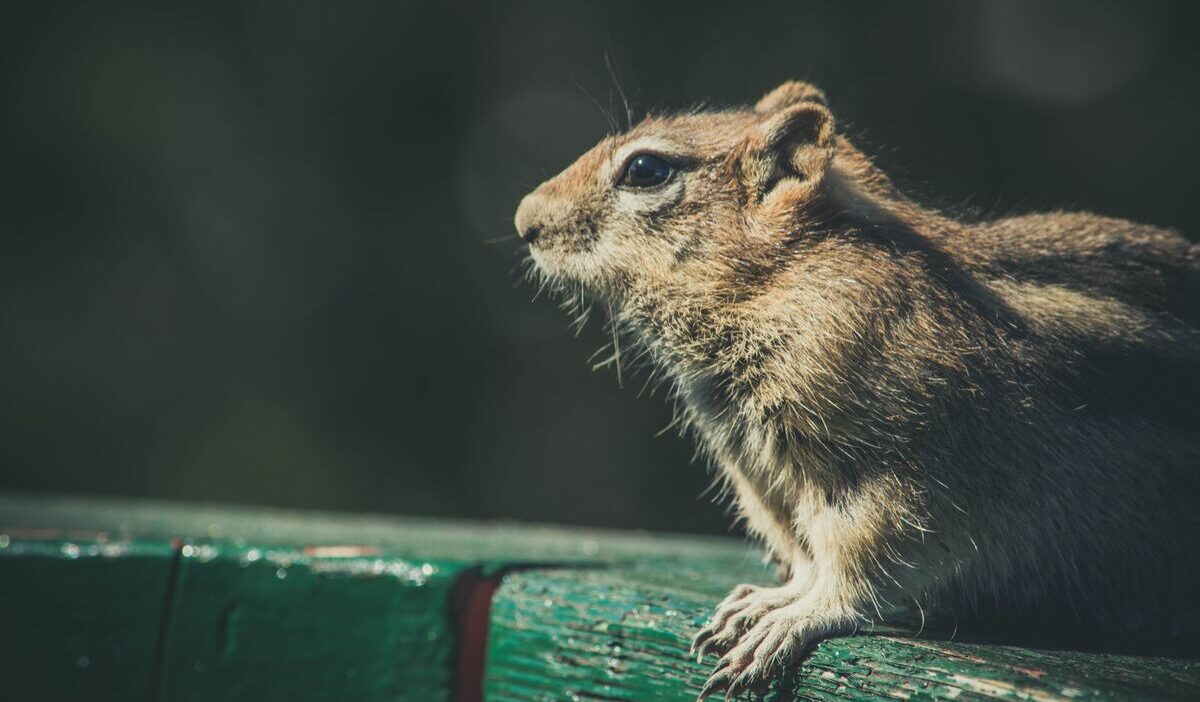
Chipmunks may look harmless, but repeated digging can disturb flower beds, expose roots, empty bird feeders, and create burrows near patios, steps, retaining walls, or foundations.
The most practical approach to how to get rid of chipmunks is to remove easy food and shelter, protect vulnerable areas, and use legal, humane control when damage becomes serious.
1. Why Are Chipmunks Living Around Your Property?
Chipmunks thrive where food, cover, and safe soil for burrowing are available close together.
Easy Access to Food
Birdseed, fallen fruit, acorns, nuts, vegetable plants, pet food, and unsecured garbage provide convenient meals.
Chipmunks may also gather seed that drops beneath bird feeders and carry it back to underground storage chambers.
Dense Shrubs, Woodpiles and Rock Piles
Low shrubs, stacked firewood, brush, stone borders, and landscape clutter provide cover from predators and protected travel routes.
Chipmunk burrows are often concealed near wood or brush piles, stumps, garages, and similar objects. Moving these materials away from the house makes it easier to see new burrow entrances and reduces shelter beside foundations.
Safe Burrowing Areas
Loose, well-drained soil beneath decks, steps, patios, sheds, retaining walls, or landscaping may provide stable burrowing sites.
A burrow entrance is often around two inches wide and may lack the obvious soil mound associated with some other digging animals because chipmunks carry excavated soil away in their cheek pouches.
Main tunnels may extend 20 to 30 feet and include nesting chambers, food-storage areas, side pockets, and escape routes.
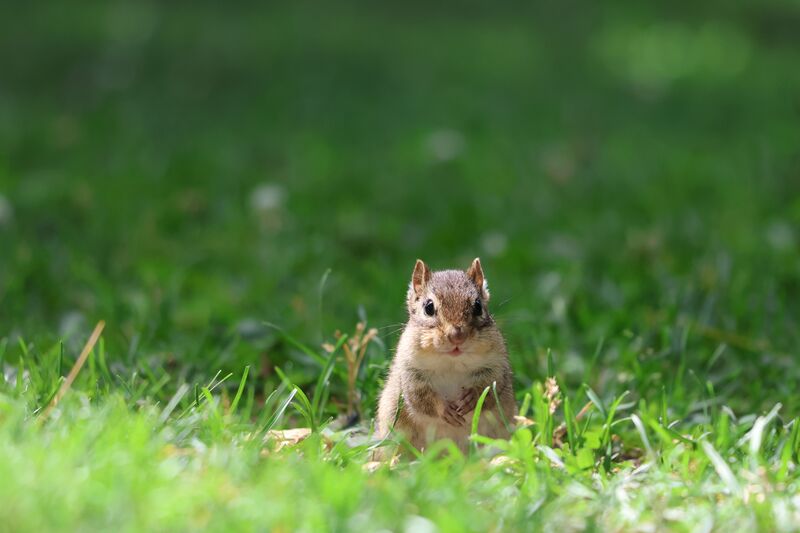
2. How to Get Rid of Chipmunks in Your Yard?
When food, shelter, and safe burrowing sites remain available, removing one animal may simply leave space for another.
How to Get Rid of Chipmunks in Your Yard
Keep grass and vegetation around foundations trimmed so new holes are easier to detect.
Protect small areas with hardware cloth or another durable barrier. The material may be placed beneath steps, around vulnerable structures, or below the soil in compact planting areas where chipmunks repeatedly dig. Make sure barriers do not trap an animal beneath an occupied structure.
If damage continues, a properly sized live trap may be considered where local law permits.
Penn State recommends placing traps along pathways where chipmunks regularly travel and prebaiting them for two to three days with the doors secured open before setting the mechanism. Traps should be checked frequently, and direct contact with captured animals should be avoided.
How to Get Rid of Chipmunks in Garden
Use fine hardware cloth around small beds, bulbs, seedlings, or containers. Row covers or mesh may protect newly planted areas, provided the material is secured and appropriate for the crop. Remove fallen produce and ripe fruit quickly so it does not become an additional food source.
Avoid placing bird feeders immediately beside vegetable or flower beds. Where chipmunks repeatedly dig in pots, use heavy containers and cover exposed soil with securely fastened mesh that still permits watering.
>>> Read more: How to Get Rid of Moles and Protect Your Lawn and Yard
3. How to Get Rid of Chipmunks: Bucket Method?
Some versions are designed to drown animals, while others may cause injury, prolonged stress, or accidental capture of birds, squirrels, and other wildlife.
For these reasons, an improvised bucket trap is not the preferred option. It can create animal-welfare concerns, may violate local wildlife rules, and is difficult to use selectively. Open water containers can also present risks to pets and small children.
4. How Can You Keep Chipmunks From Coming Back?
It reduces the likelihood that another animal will move into an existing burrow or begin digging nearby.
The following measures protect the property without requiring major landscape changes.
Remove Food Sources
Clean beneath bird feeders and consider moving them farther from patios, foundations, and gardens. Store birdseed, pet food, grass seed, and similar products in sturdy containers with tight lids.
Pick up fallen fruit and nuts where practical, secure garbage, and harvest garden produce promptly.
Reduce Shelter Around the Yard
Move firewood, lumber, unused pots, rocks, and brush piles away from the foundation. Trim dense groundcover near steps and retaining walls.
Do not remove all vegetation from the landscape. Instead, create a clearer buffer around the structures and garden areas you need to protect.
Protect Foundations and Garden Beds
Repair openings beneath steps, porches, sheds, and patios after confirming that no animal is trapped inside. Use durable mesh or hardware cloth where repeated digging occurs.
Inspect retaining walls and foundation edges for gaps. Filling a visible hole alone may not work if the connected tunnel system remains active, so monitor the location for renewed excavation.
Maintain the Landscape Regularly
Rake excess seed and fruit, thin heavy groundcover, inspect for fresh holes, and repair loose soil before burrows become extensive.
Chipmunks are most active during early morning and late afternoon, making those times useful for observing where they travel, feed, and disappear underground.
>>> Read more: How to Get Rid of Earwigs: What Attracts Them and How to Stop the Problem
5. Final Thoughts
The most effective strategy for how to get rid of chipmunks is to reduce the food, cover, and protected burrowing areas that attract them. Move woodpiles and dense clutter away from buildings, clean spilled birdseed, protect vulnerable beds with mesh, and monitor foundations for new holes.
Live trapping may be appropriate in some locations, but legal requirements and relocation rules should be checked first. Homemade bucket traps are less selective and may injure or kill animals, so they are not the recommended solution.