A single cricket chirping somewhere behind a wall can be annoying enough. When several start appearing in basements, garages, laundry rooms, or kitchens, the bigger question is what is drawing them inside in the first place.
Some species are strongly attracted to outdoor lighting, while others are looking for cool, damp shelter. Once you understand that difference, knowing how to get rid of crickets becomes much easier than simply chasing individual insects around the house.
1. What’s Actually Drawing Crickets Into Your House?
Crickets usually come indoors because the area around the house is providing shelter, moisture, light, or easy access. Common attractants include:
- Bright exterior lighting at night
- Tall grass and weeds against the foundation
- Woodpiles, stones, bricks, and garden debris
- Damp basements and crawl spaces
- Open doors and poorly sealed windows
- Cracks around the foundation
- Gaps beneath exterior doors
Field and house crickets are particularly attracted to lights, while camel crickets prefer dark, damp environments and are less likely to gather around bright fixtures.
2. How Do Cricket Species Differ?
Not every indoor cricket behaves the same way. Identifying the type can tell you whether lighting, moisture, or outdoor shelter should receive the most attention.
Field & House Crickets
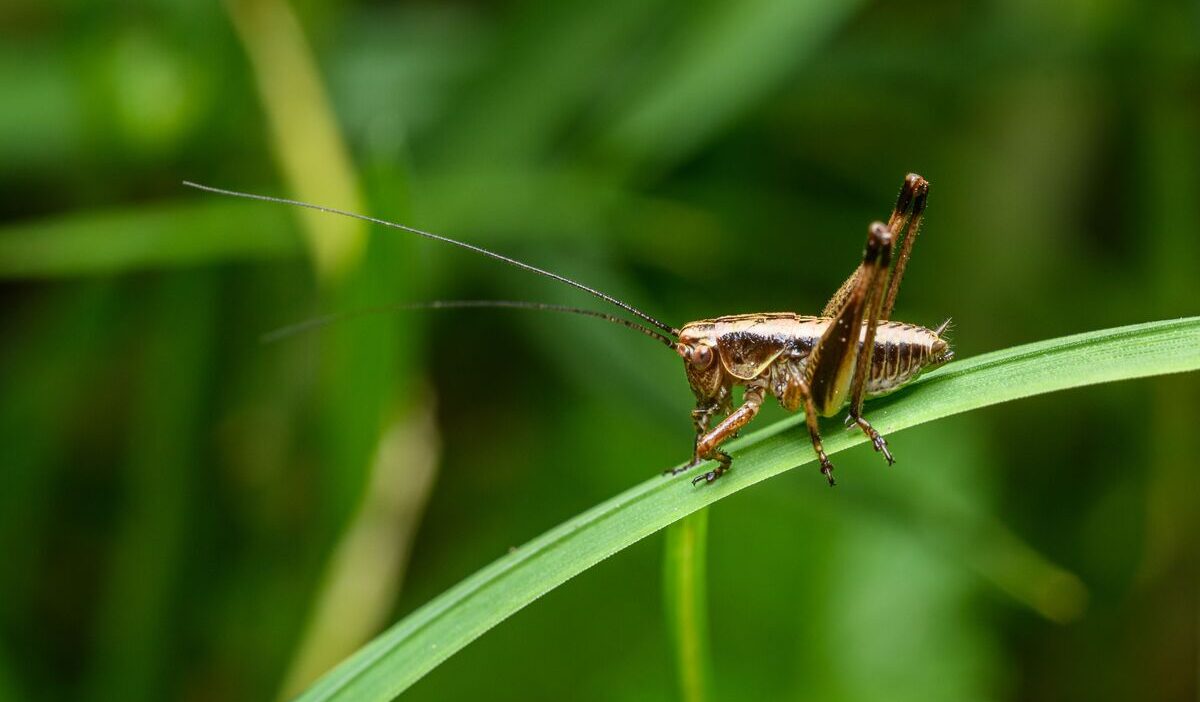
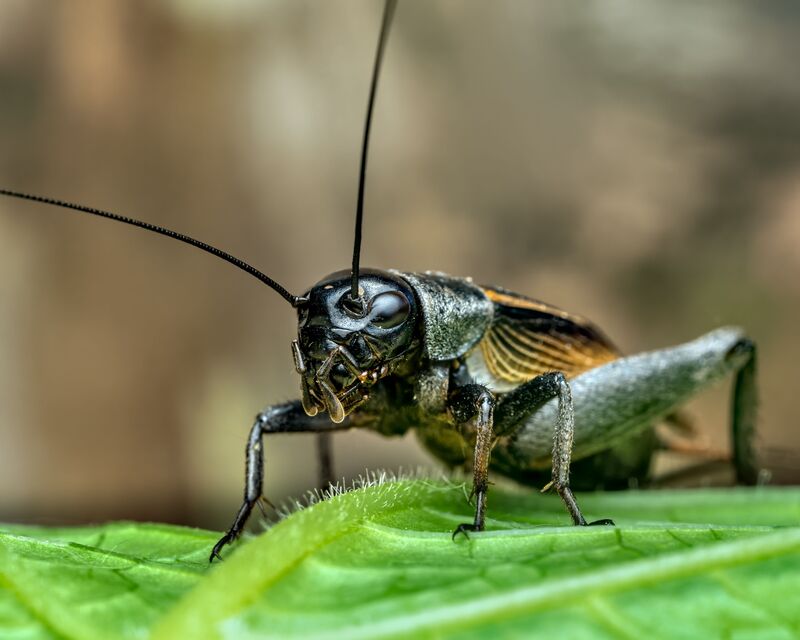
Field crickets are generally dark brown to black and about 1/2–3/4 inch long. House crickets are usually light yellowish-brown, with three dark bands behind the head and a body around 3/4 inch long.
Both types are attracted to light and may move toward doors and windows illuminated at night.
Field crickets are primarily outdoor insects, but they can enter buildings during late summer and fall. In large numbers, they may feed on cotton, linen, silk, wool, and other fabrics, especially when the material is stained with food or perspiration.
Camel Crickets
Camel crickets look noticeably different. They are tan or brown, wingless, strongly hump-backed, and about 3/4 inch long.
Their long legs give them an almost spider-like appearance. Instead of light, they seek cool, damp, dark areas. Common locations include:
- Basements
- Crawl spaces
- Utility rooms
- Garages
- Areas around plumbing
- Spaces beneath stored boxes
>>> Read more: How to Get Rid of Voles in Your Yard Before They Cause Costly Damage
3. How to Get Rid of Crickets?
A practical approach to how to get rid of crickets starts indoors, then moves outside to eliminate the conditions that keep bringing them back.
Begin by vacuuming visible crickets instead of chasing them through the room. Sticky traps placed along baseboards, behind appliances, or near known hiding areas can catch additional insects and reveal where activity is highest. Camel crickets in particular are readily caught on sticky traps.
Next, remove hiding places. Reduce stacks of cardboard, paper, stored bags, and general clutter in basements, garages, and utility spaces.
Indoor pesticides are usually unnecessary. If very large numbers continue entering, a product specifically labeled for exterior cricket control may be used around the foundation according to the label, but it should supplement exclusion rather than replace it.
4. Do Crickets Signal Moisture Issues?
Sometimes, especially camel crickets. Camel crickets actively seek cool, damp, dark conditions, so repeated activity in a basement or crawl space can indicate a moisture problem worth investigating. Check for:
- Plumbing leaks
- Condensation
- Damp crawl-space soil
- Poor bathroom ventilation
- Wet cardboard or storage materials
- Basement seepage
- Inadequate airflow
Indoor relative humidity above about 50% can contribute to broader moisture problems such as mildew, mold, condensation, and deterioration of finishes.
Keeping humidity roughly between 25% in winter and 50% in summer is generally considered better for both comfort and building materials.
Use ventilation, fans, or a dehumidifier where needed. Repair leaks rather than relying only on cricket control products.
>>> Read more: How to Get Rid of Moles in Your Yard: Target Active Tunnels & Fix Lawn Damage
5. FAQs
If you are dealing with endless chirping at night, knowing how to get rid of crickets can save your sleep. Here is everything you need to know to clear them out effectively.
Do Crickets Bite or Cause Damage Indoors?
Crickets are not generally considered dangerous to people. Field and house crickets can damage fabrics, especially cotton, linen, silk, wool, leather, or other materials contaminated with food or perspiration. Camel crickets rarely damage fabrics and are mainly a nuisance.
Why Do Crickets Get Louder at Night?
Most crickets are nocturnal. Male field and house crickets chirp by rubbing their wings together, primarily as part of mating behavior. Since they are more active after dark, the sound becomes much more noticeable at night.
Do Crickets Multiply Once They’re Inside?
Usually not. The common field, camel, and house crickets found indoors generally do not establish large reproducing populations inside homes. In northern climates, many indoor crickets die by autumn or early winter rather than completing generations indoors.
Are Natural Predators Like Spiders or Geckos Enough to Control Them?
Predators may eat individual crickets, but they are not a reliable solution for an indoor infestation.
Spiders, reptiles, and other predators cannot correct foundation gaps, bright exterior lights, dense vegetation, or damp basement conditions that are continuously attracting crickets.
6. Final Thoughts
Crickets become easier to manage once their location tells you what needs fixing. Field and house crickets often point toward outdoor lighting and entry gaps, while camel crickets are more closely associated with dark, damp spaces.
That approach shifts how to get rid of crickets from repeatedly killing individual insects to changing the conditions that allow them to keep entering your home.