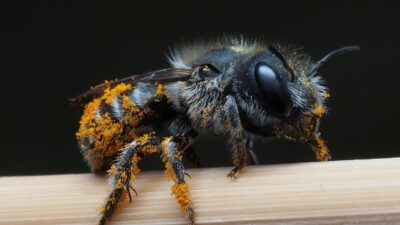
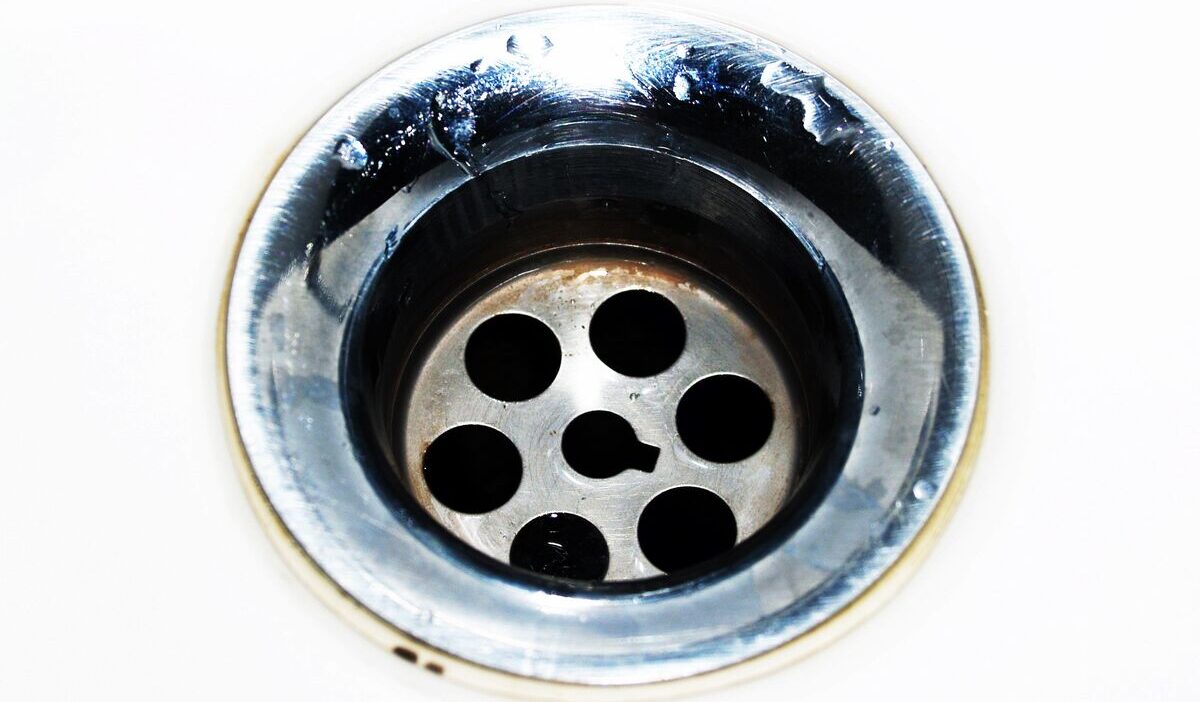
Drain flies are small, fuzzy insects often seen resting near sinks, showers, floor drains, or other damp plumbing areas. They do not usually appear because the drain itself is “dirty” on the surface.
How to get rid of drain flies? Killing the adults may reduce what you see for a few days, but the infestation will continue if eggs and larvae remain inside the plumbing.
1. What Is a Natural Killer for Drain Flies?
The safest non-pesticide method is not a particular smell or homemade spray. It is thorough mechanical cleaning.
Boiling water, bleach, vinegar, and baking soda are often recommended online, but they may flow through the pipe without removing the film attached to the walls.
The most dependable answer is a drain brush combined with regular removal of the organic film. A trap or vacuum can remove adults, but sanitation is what stops new flies from emerging.
2. How to Get Rid of Drain Flies?
These insects may come from a kitchen sink, shower, floor drain, laundry drain, garbage disposal, overflow opening, or plumbing leak hidden beneath a cabinet or slab.
Use the following steps:
- Identify the suspected drain. Place a clear cup, jar, or plastic covering over the opening overnight without sealing it completely. Adult flies caught near the opening may confirm the source.
- Remove the drain cover or stopper. Clean hair, grease, soap residue, and visible debris.
- Scrub the pipe walls. Use a stiff drain brush to reach the sides of the drain and trap.
- Clean overflow channels. Sink and bathtub overflow openings may hold the same organic buildup.
- Apply a labeled enzyme cleaner if needed. Choose a product formulated to remain in contact with pipe surfaces long enough to break down residue.
- Repeat the cleaning. One treatment may not remove a thick layer of buildup.
- Vacuum or trap adult flies. Adults may remain visible briefly after the breeding site has been cleaned.
- Monitor for one to two weeks. Drain fly larvae can take roughly two weeks to mature under favorable conditions, so a few adults may continue appearing while the existing life cycle ends.
Avoid pouring pesticides into plumbing unless a product is specifically labeled for that use.
Pesticides generally do not remove the material that larvae feed on and may create unnecessary exposure or water-contamination risks.
3. Why Do Drain Flies Keep Coming Back?
Recurring activity usually means that some part of the breeding habitat remains. The following causes are more common than a failure of the trap or cleaner itself.
The Drain Was Treated but Not Scrubbed
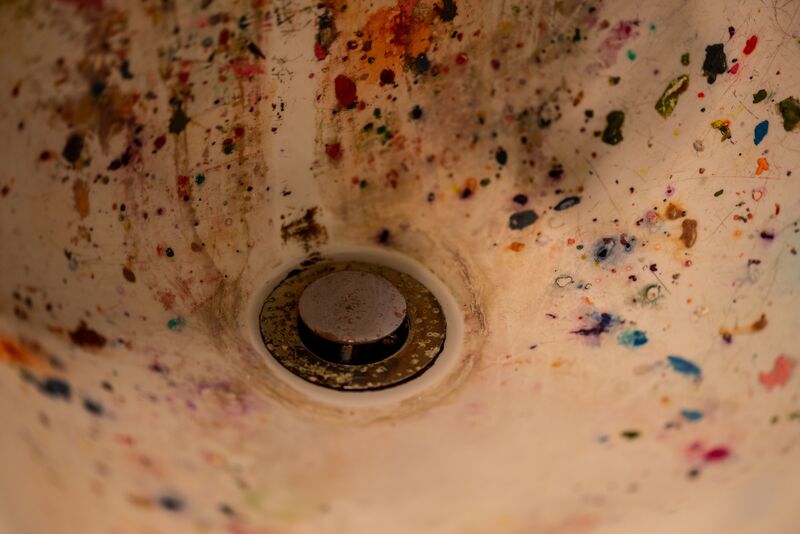
Pouring a product down the pipe may reduce odor or loosen surface residue, but larvae can remain protected behind the gelatinous scum.
Utah State University Extension explains that larvae hide behind the scum lining drains, making boiling water and many chemical treatments ineffective when the film is not removed.
Hidden Drains Were Missed
A home may contain floor drains, utility-room drains, sink overflows, unused shower drains, refrigerator drain pans, or basement drains that receive little attention.
Cleaning only the most visible kitchen sink may not solve the problem if another drain is producing the adults. Cover suspected openings separately overnight to determine which one is active.
Leaks or Standing Water Remain
Drain flies may reproduce around broken pipes, leaking plumbing, damp crawl spaces, or moisture beneath slabs.
Do drain flies indicate a bigger problem? Sometimes they do. Persistent flies after several rounds of drain cleaning may point to a hidden plumbing leak, damaged sewer line, or inaccessible wet organic material.
Organic Material Is Building Up Again
Grease, soap, hair, food particles, and other residue can gradually recreate the same breeding film.
If the drain is used frequently but never scrubbed, flies may return after the initial infestation appears resolved.
>>> Read more: Cockroaches in the Kitchen? How to Get Rid of Cockroaches at the Source
4. How Can You Prevent Drain Flies From Returning?
Once adult activity has declined, prevention should focus on moisture control and routine drain maintenance.
Clean High-Risk Drains Regularly
Kitchen sinks, showers, floor drains, garbage disposals, and rarely used drains deserve periodic inspection.
Remove hair and food debris before they accumulate, and brush areas where slime forms.
Colorado State University Extension recommends mechanical scrubbing and appropriate drain cleaners to remove the bacterial gel coating that supports moth flies.
Keep P-Traps From Drying Out
A P-trap is designed to hold water and block sewer gases and pests from moving through the pipe. Rarely used drains may lose this water through evaporation.
Run water periodically into guest-bathroom, basement, laundry, and floor drains. If a trap repeatedly dries out or does not retain water, ask a plumber to inspect it rather than repeatedly adding fragrance or pesticide.
Repair Plumbing Leaks
Fix dripping pipes, broken seals, slow leaks beneath sinks, and moisture collecting around floor drains.
If flies appear from cracks, crawl spaces, or slab areas rather than a visible drain, the moisture source should be corrected and the opening sealed after repairs.
Reduce Hair, Grease, and Soap Buildup
In bathrooms, clear hair from drain covers and clean soap residue from overflow channels. In kitchens, scrape plates before rinsing and maintain the garbage disposal according to the manufacturer’s instructions.
What smells do drain flies hate? Strong scents may temporarily mask drain odors, but they do not remove larvae or breeding material.
>>> Read more: Too Many Flies Indoors? How to Get Rid of Flies Fast and Safely
5. Final Thoughts
The central principle of how to get rid of drain flies is simple: clean where they breed, not just where the adults rest. A stiff brush, careful drain inspection, and regular removal of organic buildup are more dependable than bleach, boiling water, or fragrance-based remedies.
If the flies keep returning, inspect hidden drains, overflow channels, P-traps, floor drains, and plumbing leaks. Persistent activity after thorough cleaning may indicate a broken pipe, sewage leak, or damp void that requires a plumber or pest control professional.