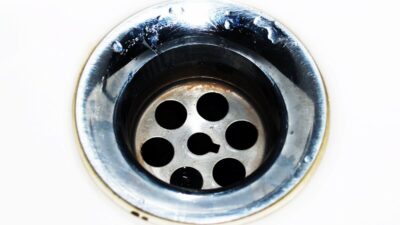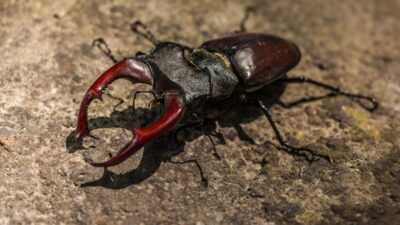
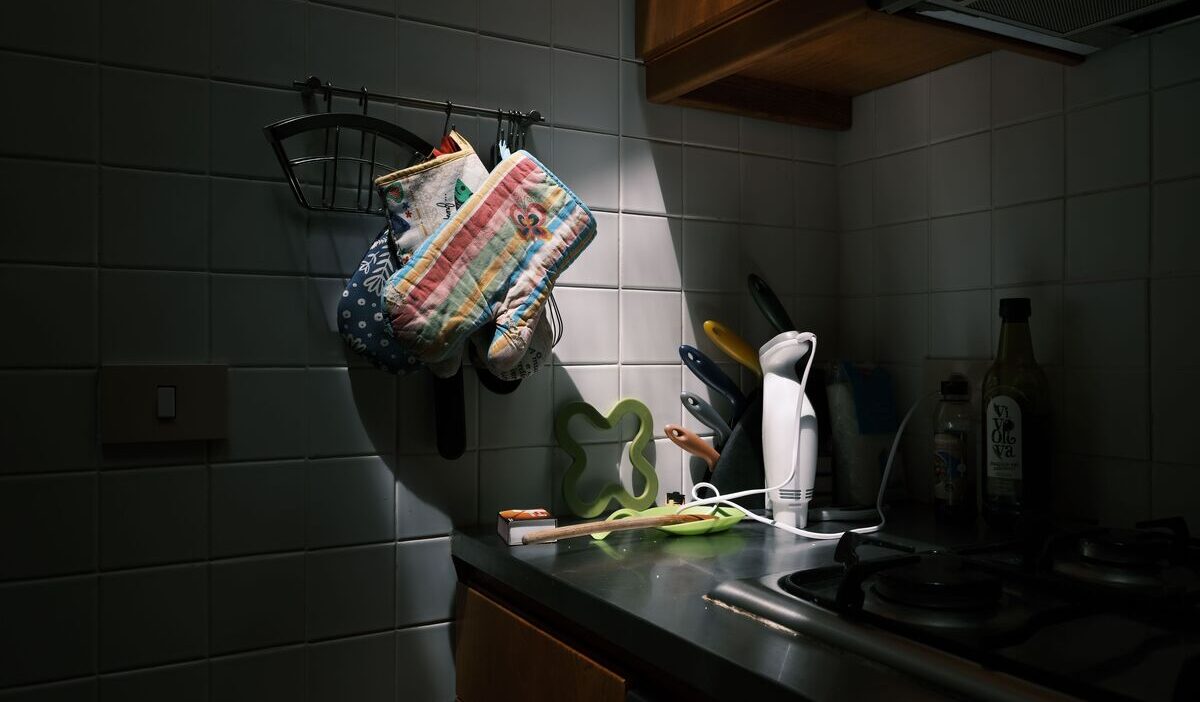
Cockroaches in the kitchen are rarely random. They usually stay close to food, moisture, warmth, and narrow hiding spaces, which makes cabinets, appliances, plumbing gaps, trash areas, and cardboard especially attractive.
How to get rid of cockroaches? Spraying the roaches you see may provide quick relief, but it does not reliably reach hidden adults, immature roaches, or egg cases.
1. Why Are Cockroaches Taking Over Your Kitchen?
A kitchen provides nearly everything cockroaches need to survive. Even a clean-looking room can contain grease beneath appliances, crumbs inside cabinet corners, moisture under a sink, or gaps that lead into walls.
Food Crumbs and Grease Buildup
Cockroaches can feed on crumbs, grease, pet food, food residue, and many other organic materials. Small spills beneath a stove or refrigerator may support activity even when countertops are cleaned daily.
Water Leaks and Damp Areas
Cockroaches prefer warm, moist areas near water sources. Leaking pipes, damp sink cabinets, condensation, refrigerator drip trays, and standing water can keep an infestation active.
Warm Appliances and Hidden Gaps
Refrigerator motors, ovens, microwaves, dishwashers, and other appliances provide heat and protected spaces. Cockroaches may hide behind motors, beneath insulation, inside cabinet gaps, or along wall-floor edges.
Cardboard, Clutter, and Open Trash
Cardboard boxes, paper bags, stacked containers, and clutter create additional harborages. Open trash also provides food and moisture.
Discard unnecessary cardboard, keep recycling clean, and use trash containers with tight-fitting lids. Reducing clutter removes shelter and makes inspection, trapping, and bait placement easier.
>>> Read more: Too Many Flies Indoors? How to Get Rid of Flies Fast and Safely
2. How to Get Rid of Cockroaches?
How to get rid of cockroaches in kitchen permanently? A reliable control plan combines sanitation, monitoring, exclusion, and carefully selected pesticide products. No single product solves every kitchen infestation.
Gel Baits and Bait Stations
Cockroach baits contain food mixed with a slow-acting insecticide. Roaches feed on the bait and may carry residues back into harborages, where other insects can be exposed.
Do not spray insecticide over or beside bait. Repellent sprays can discourage feeding and reduce effectiveness.
Baits often require a week or longer to produce noticeable results, and heavily infested kitchens may need refreshed placements over several weeks.
Insect Growth Regulators
Insect growth regulators, or IGRs, interfere with cockroach development and reproduction. They do not usually kill every adult immediately, but they can prevent juvenile roaches from maturing normally and help reduce future generations.
IGRs are commonly combined with bait and sanitation in an integrated pest management program.
Use only products labeled for cockroaches and the intended indoor location, and follow every application direction carefully.
Sticky Traps for Monitoring
Sticky traps are mainly monitoring tools rather than complete treatments. However, they make the process more precise by showing where bait and other controls should be concentrated.
Dust Treatments for Cracks and Voids
Boric acid and certain other labeled dusts may be useful in dry, inaccessible cracks, wall voids, and spaces behind appliances.
Apply only a very thin layer where the label permits. Heavy deposits may be avoided by cockroaches and can increase exposure risks. Never apply dust on countertops, food-contact surfaces, or areas accessible to children and pets.
Treating electrical areas or inaccessible wall voids may be better left to a licensed pest control professional.
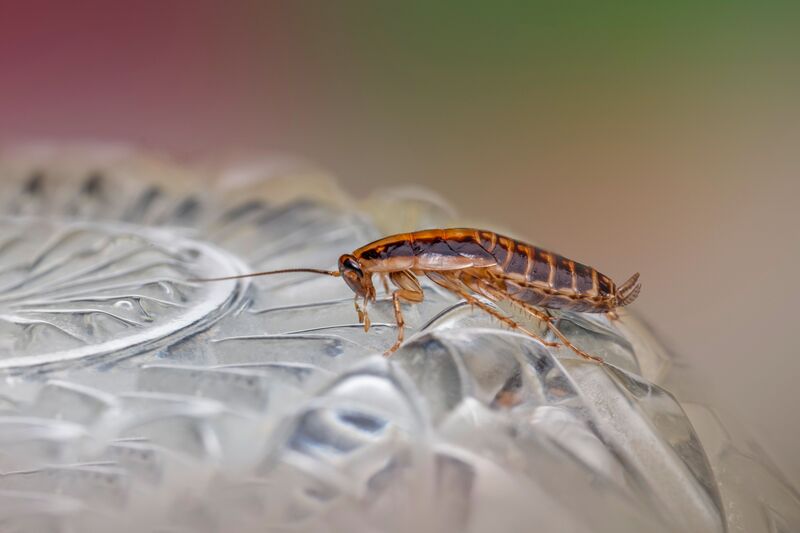
3. Which Cockroach Treatments Work Best?
How to get rid of cockroaches forever? The strongest results usually come from an integrated approach rather than one “miracle” treatment.
A practical combination includes:
- Gel bait or enclosed bait stations near active routes
- Sticky traps for monitoring
- An IGR where appropriate
- Limited dust treatment in inaccessible voids
- Cleaning, leak repair, clutter reduction, and exclusion
Foggers and broad indoor sprays are generally poor choices for a kitchen infestation. They may scatter insects, fail to reach hidden harborages, and increase pesticide exposure without eliminating the colony.
The best treatment also depends on the cockroach species, infestation size, and building type. In apartments, cockroaches may move between units through shared walls and utility openings, so coordinated treatment may be necessary.
Can You Really Get Rid of Cockroaches Forever?
It is possible to eliminate an active infestation, but getting rid of cockroaches forever is not a one-time process. New insects may arrive through deliveries, used appliances, grocery packaging, plumbing openings, or neighboring units.
4. How Can You Stop Cockroaches From Returning?
Once trap catches and sightings decline, prevention should continue. These habits reduce the chance that surviving or newly introduced cockroaches can rebuild a population.
Keep Food and Trash Sealed
Store cereal, flour, snacks, sugar, pet food, and other dry goods in glass, metal, or heavy plastic containers with tight lids.
Remove trash regularly, rinse recycling, and avoid leaving pet food or water out overnight. EPA recommends sealing food and scraps and removing garbage as part of cockroach prevention.
Clean Grease and Spills Promptly
Wipe counters, wash dishes, sweep floors, and clean beneath appliances. Pay particular attention to grease near the stove and food residue inside cabinet corners.
Fix Moisture Problems
Repair leaking pipes and faucets, empty drip trays, improve ventilation, and dry wet surfaces. Cockroaches need water, so persistent moisture can undermine an otherwise good treatment plan.
Seal Common Entry Points
Seal gaps around plumbing, cabinets, windows, doors, baseboards, and utility lines. Use suitable materials for larger openings and install door sweeps where needed.
EPA recommends sealing cracks and openings behind sinks, along baseboards, and around pipes and windows as part of pest prevention.
>>> Read more: How to Get Rid of Roaches at Home: Eliminate the Source of an Infestation
5. Final Thoughts
The most dependable strategy for how to get rid of cockroaches is to target the infestation at its source. Gel baits reach feeding insects, sticky traps reveal active routes, IGRs reduce future reproduction, and carefully placed dust can treat selected hidden spaces.
These tools work best when the kitchen no longer provides easy food, water, clutter, or entry points. Clean grease and crumbs, repair leaks, seal gaps, and continue monitoring after sightings decline.