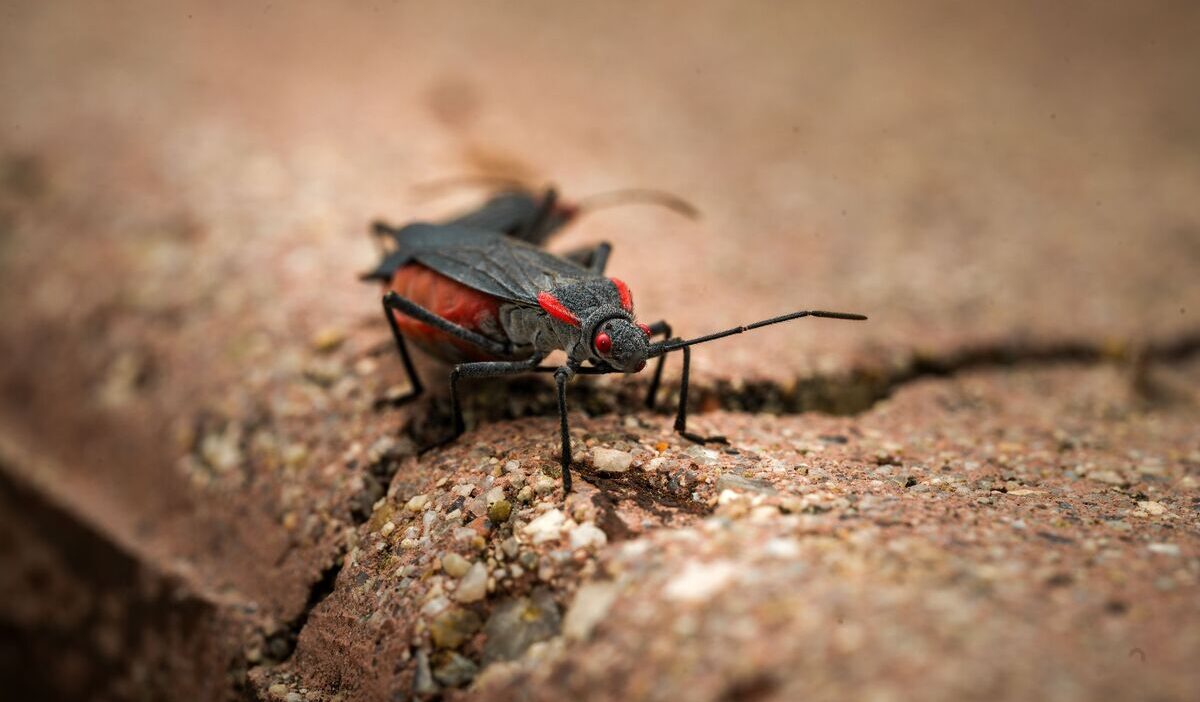
Boxelder bugs often become noticeable when large numbers gather on walls, windows, siding, or other warm surfaces. They are especially common around homes with boxelder, maple, or ash trees nearby, but the insects can travel considerable distances before entering a building.
The most effective approach to how to get rid of boxelder bugs is to prevent them from getting indoors in the first place. Once they are already inside, physical removal is usually more practical than spraying.
1. Why Are Boxelder Bugs Suddenly Everywhere?
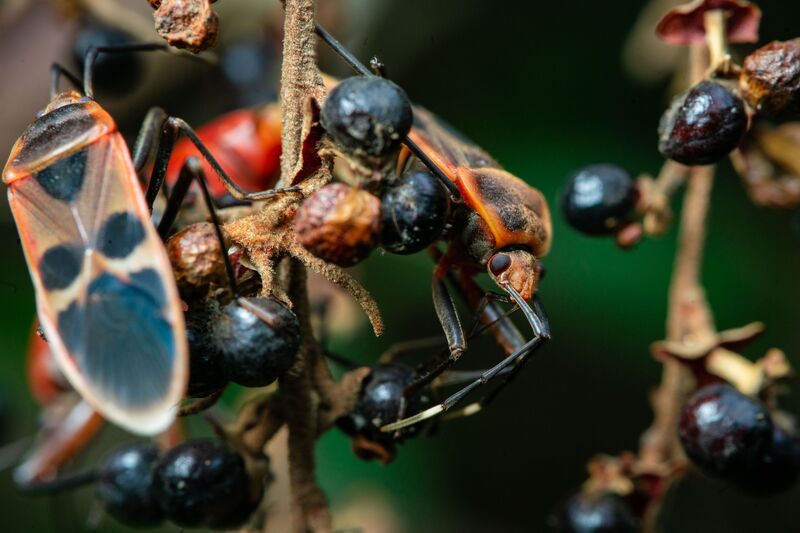
Boxelder bugs spend spring and summer feeding outdoors, primarily on seeds from female boxelder trees and sometimes on maple or ash. The real nuisance usually begins in late summer and fall when adult bugs start looking for protected places to spend winter.
Homes with large south- or west-facing walls are especially attractive because those surfaces warm in the sun. Bugs may gather in large numbers before slipping through cracks around windows, doors, siding, vents, utility openings, and rooflines.
Once cold weather arrives, the insects remain mostly inactive inside walls, attics, and other sheltered areas. On mild sunny winter days, warmth can wake some of them, causing bugs to appear unexpectedly around windows and living areas. They do not reproduce indoors, so seeing them in January or February usually means they entered the previous fall.
2. How to Get Rid of Boxelder Bugs?
The right control method depends on whether the bugs are still outside or have already entered the building. Exterior management focuses on exclusion and timely treatment, while indoor control is mostly physical removal.
Get Rid of Boxelder Bugs Outside
For how to get rid of boxelder bugs outside, begin by inspecting the house before late summer.
Repair torn screens, worn door sweeps, loose weather stripping, damaged soffit vents, and gaps where pipes, cables, faucets, dryer vents, or utility lines enter the building.
Cracks around windows, doors, fascia boards, siding joints, and foundations should also be sealed. Openings about 1/8 inch or larger can provide access. When bugs are already gathering outdoors:
- Sweep or vacuum clusters where practical.
- Use a strong stream of water to knock bugs from siding.
- Repair nearby entry points before cold weather.
- Avoid crushing them against light-colored surfaces because they can leave stains and release an unpleasant odor.
- Consider a labeled exterior insecticide only when large numbers continue to gather.
Exterior pesticide treatments are most useful in late summer or early fall, when adults are beginning to cluster on buildings. Always use a product labeled for exterior structural treatment and follow all directions carefully.
Get Rid of Boxelder Bugs in House
For how to get rid of boxelder bugs in house, skip broad indoor spraying and remove the insects directly.
Vacuum visible bugs from windowsills, curtains, walls, floors, and other surfaces. Empty the vacuum outdoors afterward, especially when large numbers have been collected. A broom and dustpan can also work for smaller groups.
Avoid crushing them because their body fluids may stain curtains, upholstery, walls, and other light-colored materials.
Indoor insecticide sprays generally provide limited benefit. Bugs hidden inside wall voids may continue emerging as temperatures change, and treating inaccessible spaces does not reliably prevent that activity.
>>> Read more: Moles Tearing Up the Lawn? How to Get Rid of Moles and Protect Your Yard
3. Natural Repellents vs. Chemical Sprays for Boxelder Bugs
People searching how to get rid of boxelder bugs naturally often want an option that avoids routine pesticide use.
In most homes, that is possible because exclusion and physical removal are already the primary recommended strategies.
| Method | Best Use | Main Limitation |
|---|---|---|
| Vacuuming | Indoor bugs | Does not stop new bugs from entering |
| Water spray | Outdoor clusters | Temporary removal only |
| Sealing cracks | Long-term prevention | Must be completed before bugs enter |
| Detergent-and-water contact spray | Individual outdoor bugs | Works only on direct contact and may injure plants |
| Exterior insecticide | Heavy fall clustering | Requires correct timing and label use |
| Indoor insecticide | Limited situations | Usually unnecessary once bugs are inside |
A detergent-and-water mixture can kill boxelder bugs when it directly contacts them, but it has no meaningful residual effect and may damage nearby vegetation.
Chemical sprays may be considered when the home has a history of very large fall invasions. Timing matters: exterior applications are most useful while bugs are clustering outside, not after they have already settled inside walls for winter.
4. How to Make Your Home Less Attractive to Boxelder Bugs
Long-term how to get rid of boxelder bugs depends on making the building harder to enter rather than trying to eliminate every insect outdoors. Start with structural maintenance:
- Repair window and door screens.
- Install or replace door sweeps.
- Seal gaps around pipes, wires, vents, faucets, and utility penetrations.
- Repair openings around fascia, siding, and rooflines.
- Screen attic and soffit vents correctly.
- Seal garage-door gaps where practical.
- Inspect south- and west-facing walls carefully before fall.
These areas deserve extra attention because warm, sun-exposed sides of buildings are common gathering locations.
Do not seal required ventilation or drainage openings incorrectly. For example, brick veneer may contain weep holes that should remain functional; appropriate ventilation plugs can help reduce insect access without blocking drainage.
Fall is the most important prevention period. Completing repairs before the end of summer gives the home better protection before adults begin searching for overwintering sites.
>>> Read more: How to Get Rid of Stink Bugs in Your Home and Keep Them Out
5. Final thoughts
The most reliable answer to how to get rid of boxelder bugs is prevention first and physical removal second.
These insects are mostly nuisance pests rather than destructive household insects. The goal is therefore not to eliminate every boxelder bug in the landscape, but to prevent large numbers from turning your home into an overwintering site.