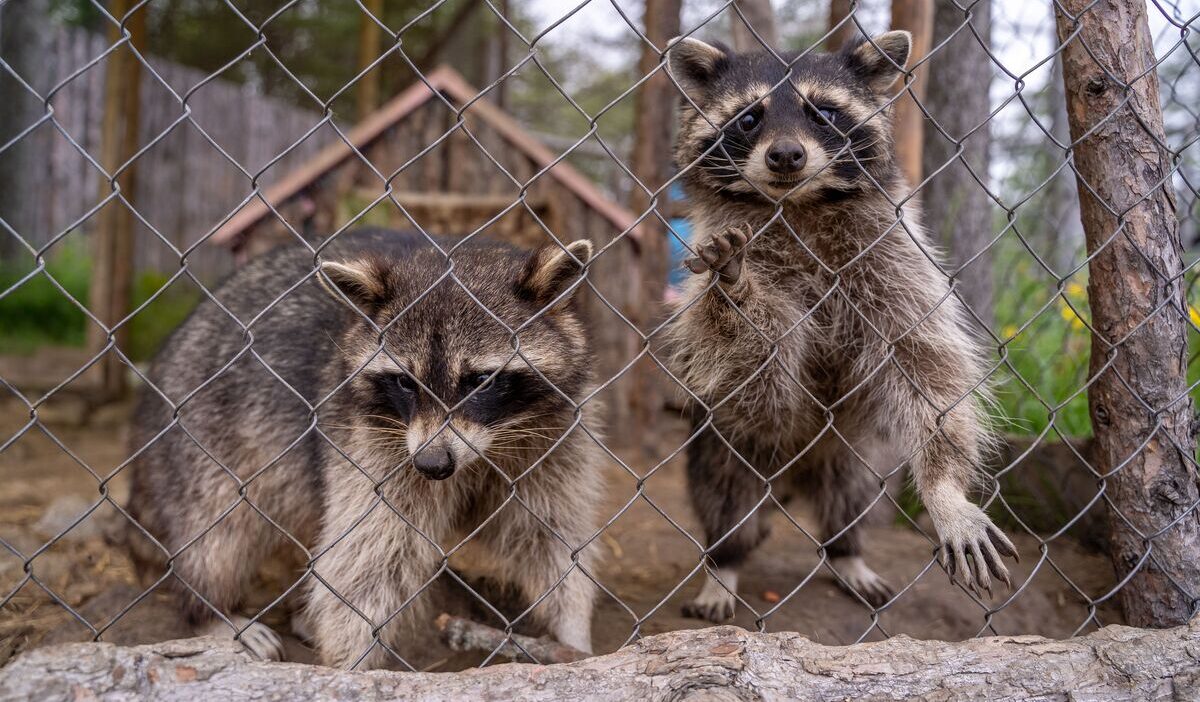
Raccoons are highly adaptable animals that often move into residential areas because food, water, and shelter are easier to find than people realize. An unsecured trash can, pet-food bowl, bird feeder, attic opening, or crawl space may be enough to turn a property into a repeat stop.
The safest approach to how to get rid of raccoons is to remove the reward first, then use exclusion after the animal has left. Chasing, cornering, poisoning, or sealing an occupied den can create a bigger problem, especially if young raccoons are present.
1. What Is Attracting Raccoons to Your Property?
Raccoons are opportunistic feeders. Residential areas can provide several food and shelter sources within a small area, which is why some animals return night after night. The most common attractants include the following.
Trash and Food Waste
Garbage is one of the easiest food sources for urban raccoons. Loose lids, exposed bags, compost scraps, barbecue residue, and food left beside outdoor bins can attract repeated visits.
Use sturdy containers with tight-fitting lids and secure them so they cannot be tipped over. Removing access to food is one of the most important steps in how to get rid of raccoons
Pet Food and Bird Feeders
Pet food and water left outside overnight can attract raccoons, while spilled birdseed may provide an easy meal at ground level.
Bring pet bowls indoors before dark and clean seed beneath feeders regularly. If a feeder becomes a frequent nighttime target, move it or use a design that reduces access.
Water Sources
Raccoons may drink from birdbaths, pet bowls, decorative ponds, leaking irrigation, and other accessible water sources. Eliminating unnecessary standing water can make the property less rewarding.
Sheltered Spaces
Attics, chimneys, crawl spaces, sheds, decks, hollow trees, and debris piles can provide secure daytime dens. Raccoons may tear shingles or fascia boards to enlarge an existing weak point and gain access to an attic.
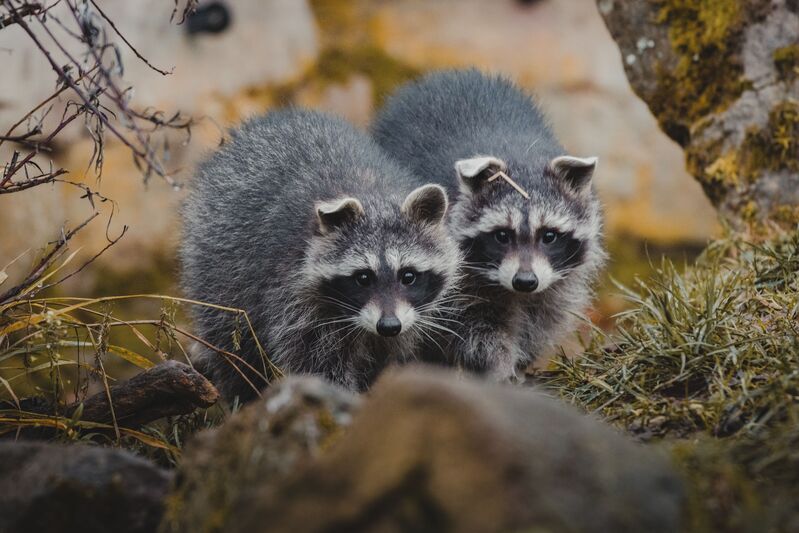
2. Where Are the Raccoons Spending Time?
Before choosing a control method, identify whether the raccoon is simply visiting the yard or actively denning on the property.
Look for tipped trash cans, tracks, flattened vegetation, damaged roof edges, droppings, or repeated nighttime activity. Raccoons in an attic or chimney may also make scratching, growling, whining, or movement sounds.
A motion-activated camera can help determine where the animal enters and what time it arrives. You can also inspect soft soil or spread a thin layer of flour near a suspected entry point to look for tracks the next morning.
3. How to Get Rid of Raccoons
The most practical how to get rid of raccoons plan combines food removal, temporary deterrence, and structural exclusion.
Start with the least disruptive step first and only move to professional removal when the situation requires it.
Remove the Reward
Take away whatever is encouraging the raccoon to return.
Secure trash lids, bring pet food inside, clean barbecue grease, collect fallen fruit, and reduce access to birdseed. Keep compost enclosed and clean up food residue around outdoor eating areas.
If the raccoon is visiting rather than denning, removing these rewards may be enough to make the property less attractive.
Use Motion-Based Deterrents
Motion-activated sprinklers or lights may discourage a raccoon temporarily, particularly when combined with food removal.
However, deterrents should not be treated as a permanent solution. Raccoons can become accustomed to noises, lights, or other scare devices when they learn that no real threat follows.
Use Exclusion After They Leave
Once you have confirmed that the animal and any young have left, repair roof gaps, fascia damage, vents, crawl-space openings, chimney access, and gaps beneath structures. Chimneys can be protected with a properly installed heavy metal screen or cap.
Never seal an opening while a raccoon is still inside. Trapping an adult or dependent young can lead to damage, odor, or animals entering the living space.
If you cannot confirm that the den is empty, use a licensed wildlife-control professional.
4. How to Keep Raccoons From Coming Back?
Long-term prevention is what makes how to get rid of raccoons successful after the immediate activity stops.
Keep trash secured every night, not just after a raccoon has already visited. Bring pet food indoors, reduce fallen seed, and remove unnecessary water sources.
Trim branches that provide easy access to the roof. Repair loose shingles, damaged fascia, vent covers, and crawl-space screens before another animal discovers them.
Keep woodpiles organized and remove dense debris beside the house. Raccoons are more likely to remain where food, water, and den sites are available close together.
>>> Read more: How to Get Rid of Squirrels Without Harming Your Home or Garden?
5. When Should You Call a Wildlife Control Professional?
Professional help is appropriate when the raccoon is living inside an attic, chimney, wall, or crawl space and you cannot safely confirm that the den is empty. You should also call for help when:
- Young raccoons may be present
- The animal appears injured, disoriented, unusually aggressive, or unafraid of people
- Roof or structural damage makes access difficult
- The animal repeatedly returns after food sources are removed
- Trapping or relocation may be required
- Local wildlife regulations are unclear
Raccoons are one of the wild animals that can carry rabies in the United States. Avoid handling or cornering one, and contact animal control if abnormal behavior raises concern.
6. FAQs
What Time of Night Are Raccoons Most Active?
Raccoons are primarily nocturnal. They typically leave their dens around dusk and remain active through the night while searching for food.
Activity can vary depending on season, food availability, weather, and whether a female is caring for young.
Will Raccoons Leave if There Is No Food Available?
They may visit less often when food is removed, but food is not the only reason a raccoon stays. A safe den, water source, or nearby feeding site can still keep the area attractive.
Removing food is therefore essential, but exclusion may also be needed when an attic, chimney, or crawl space is being used.
Can Raccoons Damage a Roof or Attic?
Yes. Raccoons are strong enough to tear shingles, fascia boards, or other weak materials to gain entry. Once inside, they may disturb insulation, create nesting debris, or damage the structure around the opening.
Do Raccoons Return to the Same Den?
They can reuse familiar den sites when the location remains safe and accessible. Even if one animal leaves, another may discover the same opening later.
>>> Read more: How to Get Rid of Maggots in Your House and Trash Can
7. Final Thoughts
The safest answer to how to get rid of raccoons is to remove food and water, confirm where the animal is spending time, and close access only after the den is empty.
Do not rely on scare devices alone, and never seal an occupied attic, chimney, or crawl space. When young may be present or the animal is difficult to access safely, use a licensed wildlife-control professional.