Rust rarely looks serious at first. The bigger challenge is knowing whether you are dealing with a stain that can be cleaned or metal that has already lost strength.
To learn how to get rid of rust, look at the depth of the damage, the type of surface, and whether the object still needs to carry weight or perform a safety-critical function.
1. Ways to Check the Severity of Rust Damage Before Removal
Start by wiping away dirt, grease, and loose debris so you can see the actual metal.
Light surface rust usually creates orange or brown discoloration without changing the shape of the part.
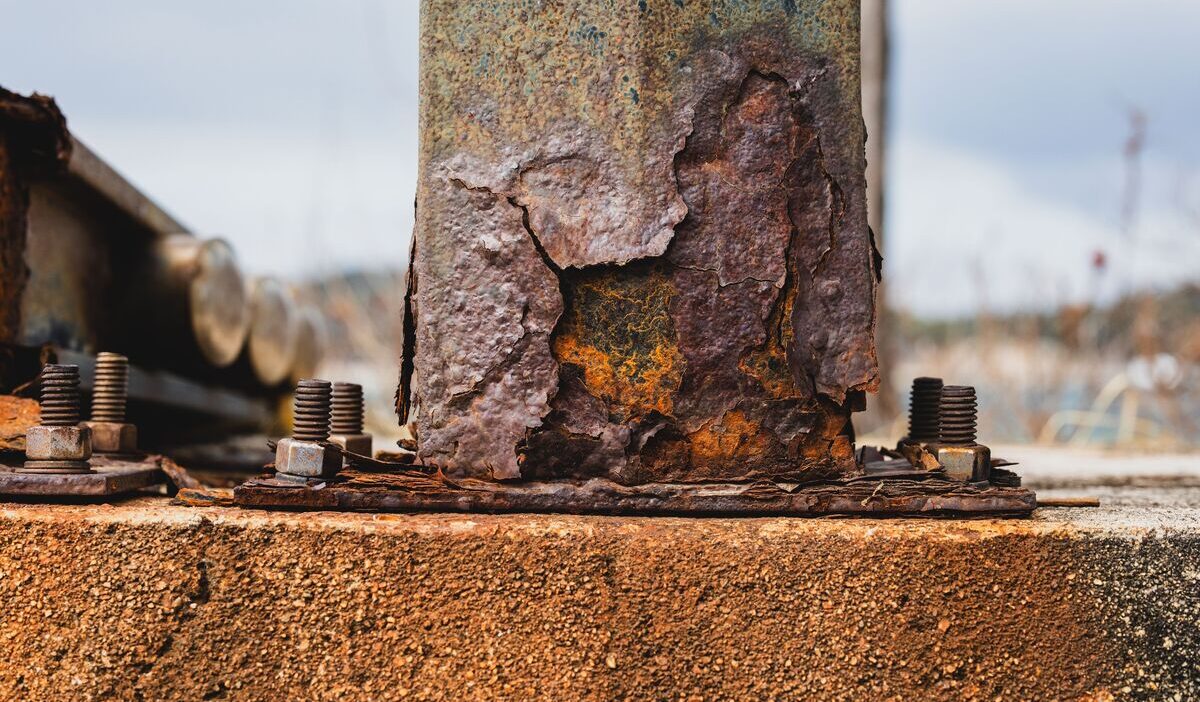
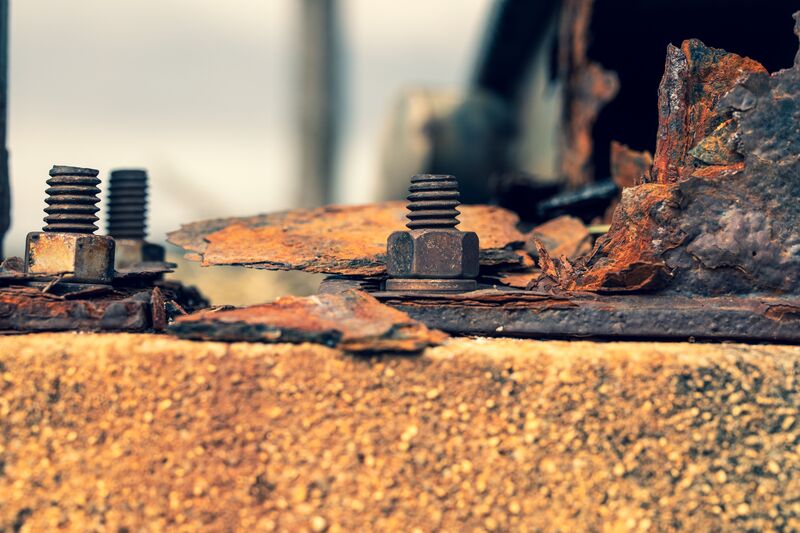
Moderate corrosion may feel rough or flaky. Severe rust can leave pits, thin sections, cracks, holes, or weakened threads. Use these signs to judge the condition:
- Surface staining: Color change with little texture difference.
- Flaking rust: Loose corrosion breaks away when brushed.
- Pitting: Small cavities remain after the surface is cleaned.
- Metal loss: Edges feel thinner or uneven.
- Structural weakness: The part bends, crumbles, cracks, or no longer holds securely.
2. How to Get Rid of Rust?
Once you know how severe the corrosion is, begin with the mildest method capable of removing it.
Scrub Away Light Surface Rust
For small patches on iron or steel, remove grease first and use a wire brush, abrasive pad, or suitable sandpaper.
Work gradually rather than starting with the harshest abrasive. Once the loose rust has been removed, switch to finer sandpaper if you want a smoother finish.
Use a Rust Remover for Heavier Buildup
Thicker rust may need a commercial dissolver designed for iron or steel. Some products use phosphoric acid or similar ingredients to dissolve or convert iron oxides.
One commercially available phosphoric-acid rust remover gives a treatment time of approximately 10–30 minutes for medium-to-light rust, while heavier buildup may require another application.
Do not assume a longer soak or stronger concentration will improve the result. Acidic products can damage the base metal, coatings, or surrounding surfaces when misused.
Follow the label for application time, rinsing, and drying. Wear the recommended protective equipment and provide adequate ventilation.
Phosphoric acid has an OSHA 8-hour permissible exposure limit of 1 mg/m³, highlighting why concentrated acid products should be handled carefully rather than treated like ordinary household cleaners.
3. How to Remove Rust With Household Ingredients?
Household ingredients can help with small areas of superficial rust, but they work more slowly and are less predictable than dedicated rust removers.
White vinegar contains acetic acid, which can loosen oxidation on small iron or steel objects. For removable items, short soaking followed by gentle scrubbing may help. Check the metal regularly rather than leaving it submerged indefinitely.
Lemon juice can be useful on mild rust staining. Its acidity helps loosen deposits, particularly when combined with gentle scrubbing.
Baking soda works mainly as a mild abrasive rather than a strong chemical rust dissolver. Mix it with a little water to create a paste and scrub the affected area gently.
>>> Read more: How to Get Rid of Gnats in the House Quickly Without Treating the Wrong Source
4. How to Remove Rust From Different Surfaces?
Rust removal needs to be adjusted to the material underneath. A method that works on an old steel wrench may permanently damage a stainless appliance or dyed fabric.
Tools and Small Metal Items
Steel tools, bolts, garden equipment, and hardware usually tolerate more aggressive cleaning than finished household surfaces.
Begin by brushing away loose corrosion. If rust remains, apply or soak the part in a remover specifically labeled for iron or steel.
After treatment, rinse or wipe the item as directed, dry it thoroughly, lubricate moving parts, and add a protective coating when appropriate.
Stainless Steel and Household Fixtures
Stainless steel resists corrosion but is not immune to brown discoloration, iron contamination, or damage to its finish.
Start with warm soapy water and a soft cloth or nonabrasive sponge. Wipe in the direction of the grain and dry the surface completely. Residual water can contribute to discoloration when it contains iron.
For suitable traditional stainless finishes, a baking-soda-and-water paste can be left on brown staining for about 2–3 minutes before being wiped away and rinsed.
Clothing and Fabric
Rust stains on fabric should not be treated like rusty metal. Do not use chlorine bleach. It can set or intensify iron-rust stains rather than remove them.
For washable, colorfast fabrics, lemon juice and salt may help with mild rust staining. Apply the mixture, allow it to work, rinse thoroughly, and repeat if necessary.
Another option for white washable items is oxygen bleach; one textile-care procedure uses 1 cup of oxygen bleach with detergent followed by a 10–15 minute soak.
>>> Read more: How Long Will Food Last in Refrigerator Without Power?
5. What to Do When Rust Damage Cannot Be Fixed?
Some metal is too far gone to restore safely. Replacement is usually the better option when you find:
- Deep pitting across a large area
- Holes or perforation
- Metal that flexes, flakes, or crumbles
- Fasteners with damaged threads
- Severely corroded blades or tool edges
- Weak structural brackets or railings
- Rusted vehicle components related to braking, steering, suspension, or load support
6. Final Thoughts
A rusty surface does not always need an aggressive treatment. So, how to get rid of rust?
Treat surface corrosion early, protect exposed metal after cleaning, and avoid harsh acids or abrasives on finishes that cannot tolerate them.