A few flies near a window may simply have entered from outside, but repeated indoor activity usually points to an accessible food source, damp organic material, a drain problem, or an opening around doors and screens. Since different flies breed in different places, how to get rid of flies? The first step in is identifying what type you have and where it is developing.
1. Why Do Flies Keep Appearing in Your Home?
Flies enter homes for food, moisture, warmth, and shelter. Some species only wander indoors temporarily, while others can complete their life cycle inside the building.
Small flies may breed in overripe fruit, houseplant soil, drains, or moist garbage, and some species can develop from egg to adult within a week or two.
Food Left Out Too Long
Uncovered meals, dirty dishes, pet food, spilled drinks, and food particles beneath appliances can attract several fly species.
Remove leftovers promptly and wipe counters, stovetops, tables, and cabinet edges. Check beneath microwaves, refrigerators, and trash containers, where small spills may remain unnoticed.
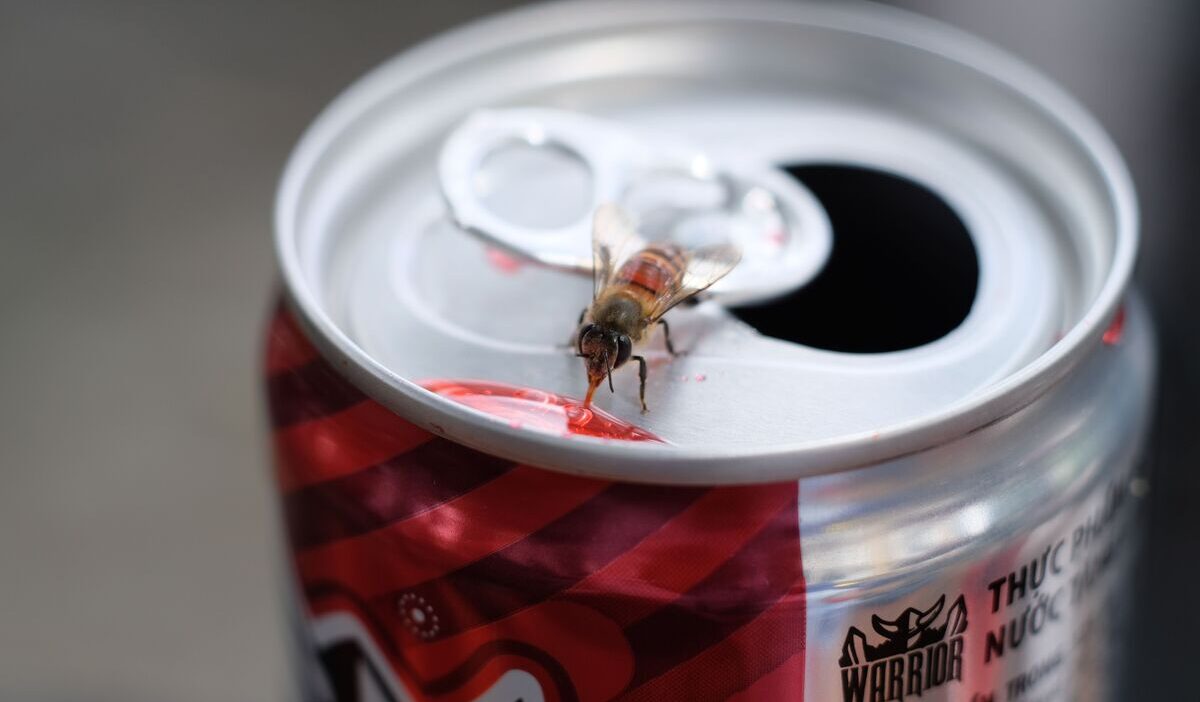
Fruit flies are particularly attracted to fermenting produce, juice, wine, beer, and vinegar. Refrigerate ripe fruit when appropriate and discard anything leaking or beginning to rot.
Trash and Organic Waste
House flies and other filth-associated flies may develop around garbage, pet waste, spoiled food, manure, or animal remains. A trash bag can be removed while liquid and residue remain inside the container.
Wash the bin, lid, hinges, and surrounding floor. Indoor compost should be emptied frequently, especially during warm weather.
A sudden group of larger blow flies may sometimes indicate a dead bird or animal hidden in a chimney, ceiling, wall void, or attic.
Standing Water and Moisture
Moisture alone does not attract every fly, but wet organic material creates breeding conditions for drain flies, phorid flies, and fungus gnats.
Check slow drains, sink overflows, wet mops, leaking pipes, plant saucers, refrigerator drip trays, and damp garbage.
Open Doors, Windows, and Damaged Screens
House flies and seasonal outdoor species may enter through gaps around doors, windows, rooflines, and utility penetrations.
Repair damaged screens, install door sweeps, and seal openings around frames. Colorado State University Extension recommends screening, caulking, and exclusion for flies that use buildings primarily as temporary shelter.
>>> Read more: How to Get Rid of Fruit Flies and Keep Them From Coming Back
2. What Type of Flies Are You Dealing With?
Identification matters because a vinegar trap will not solve a hidden animal problem, and drain cleaning will not control flies entering through a torn screen.
House Flies
House flies are medium-sized, gray insects commonly associated with garbage, manure, and other decaying organic material. They are strong fliers and may travel considerable distances from their breeding source.
If house flies appear repeatedly, inspect indoor waste and nearby outdoor trash, pet waste, and decaying material. Screens and sanitation are usually more important than relying on a fly repellent.
Fruit Flies
Fruit flies are tiny, often tan or brown, and are usually concentrated around produce, beverage containers, recycling, or drains containing fermenting residue.
Removing overripe fruit and rinsing containers are the main control steps. Traps can lower adult numbers, but they cannot replace source removal.
Drain Flies
Drain flies, also called moth flies, are small, dark, and fuzzy, with wings that give them a moth-like appearance. They commonly rest on walls near sinks, showers, floor drains, or sewage-related moisture.
Other Small Indoor Flies
Fungus gnats often hover near damp houseplant soil. Phorid or humpbacked flies may occur around trash, drains, plumbing leaks, or other decomposing organic material.
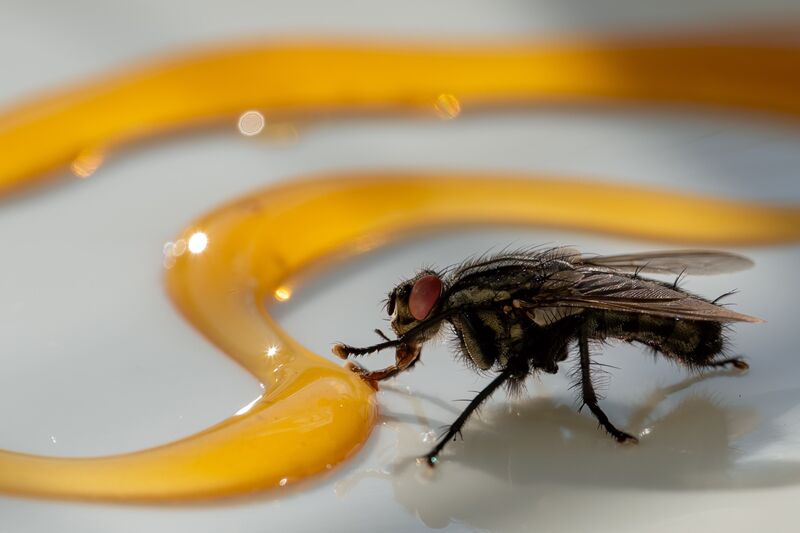
3. How to Get Rid of Flies?
Start by disposing of spoiled food, washing waste containers, drying wet areas, and repairing screens. Then place control devices near confirmed fly activity rather than scattering them throughout the entire home.
How to Get Rid of Fruit Flies in Kitchen?
Discard damaged fruit, refrigerate ripe produce, clean spills, rinse recycling, and wash trash or compost bins. Inspect onions, potatoes, and fruit stored inside cabinets, not just items displayed on the counter.
A small jar containing apple cider vinegar and a drop of dish soap can attract and capture adults. However, continue checking for hidden breeding material because trap catches alone do not eliminate eggs and larvae.
How to Get Rid of Drain Flies?
Mechanical cleaning or an appropriate drain cleaner is needed to remove the bacterial gel where larvae develop.
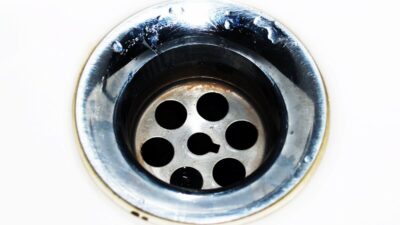
Clean the drain opening, pipe walls, overflow channel, garbage disposal, and nearby floor drains. Correct leaking plumbing and standing water.
If flies continue emerging after thorough cleaning, there may be a broken pipe, sewage leak, or inaccessible organic buildup requiring professional inspection.
4. Which Fly Control Methods Work Best?
Different tools serve different purposes. Some reduce adult flies quickly, while others mainly monitor activity.
Select a method based on the fly type, room, and safety of people and pets nearby.
Sticky Traps
Fly paper and sticky cards catch adults without spraying the room. They work best when placed near confirmed travel routes and away from food-preparation surfaces.
Sticky traps are useful for monitoring whether numbers are falling, but they will not control larvae breeding in drains, garbage, produce, or soil.
UV Light Traps
UV light traps attract certain flying insects and capture or kill them using a physical device. EPA classifies UV insect traps as pesticide devices rather than chemical pesticide products.
Place indoor light traps away from windows and food surfaces so outdoor light does not compete with the device. They may help with adult house flies but are less useful when breeding sources remain inside.
Fly Baits
Fly baits may be useful for certain filth flies, but they must be labeled for the target species and intended indoor location.
Follow the label exactly and use tamper-resistant stations where children or pets could reach the product. A bait is not a substitute for garbage management, exclusion, or cleaning.
Fly Swatters and Vacuum Removal
These methods are especially useful after the main breeding source has been corrected. Vacuuming flies near windows can reduce activity without adding pesticide indoors.
>>> Read more: Howto Get Rid of Roaches at Home: Eliminate the Source of an Infestation
5. Final Thoughts
The correct method for how to get rid of flies depends on which species is indoors and what is sustaining it. House flies often point to garbage or outside entry, fruit flies to fermenting food, and drain flies to organic buildup in plumbing.
Clean the source before depending on traps, baits, or a fly repellent. Sticky cards and UV traps can reduce adult activity, while screens and sealed gaps help stop new flies from entering.