Finding a spider indoors does not automatically mean the home has a serious infestation. Most household spiders are harmless, and many enter accidentally or remain where insects provide an easy food supply.
The most effective approach to how to get rid of spiders combines physical removal, insect control, cleaning, and exclusion. Spraying one visible spider will not prevent others from entering if damaged screens, foundation gaps, clutter, and indoor insects remain.
1. Why Are Spiders Coming Into Your Home?
Spiders may enter through structural openings or arrive in boxes, firewood, furniture, and stored belongings. Some species live indoors for extended periods, while others wander inside when outdoor conditions change.
Insects Are Providing a Food Source
Spiders feed primarily on insects and other small arthropods. Flies, moths, mosquitoes, ants, cockroaches, and other indoor pests can give them a steady food supply.
Dark and Undisturbed Hiding Places
Spiders favor quiet locations where webs or silken retreats are unlikely to be disturbed. Common hiding areas include cluttered basements, attics, garages, closets, storage boxes, crawl spaces, and spaces beneath furniture.
Reducing cardboard, paper piles, unused bags, and crowded storage makes inspection easier and removes protected harborages. Vacuuming webs and egg sacs also discourages spiders from remaining in the same locations.
Gaps Around Doors, Windows and Foundations
Install door sweeps, repair damaged screens, and seal visible cracks with appropriate materials. Exclusion is important because it reduces new arrivals without relying on repeated indoor pesticide applications.
Weather and Seasonal Changes
Some spiders become more noticeable during late summer and fall when mature males wander in search of mates.
Temperature changes, heavy rain, drought, or declining outdoor prey can also increase accidental indoor movement.

2. Why Should You Never Kill a Spider?
There is no rule that a spider must never be removed, especially if it is in a bedroom, childcare area, or another unsuitable location.
Still, most spiders are harmless and help control insects. University of Minnesota Extension notes that spider bites are rare and that eliminating every spider in or around a home is neither practical nor necessary.
A harmless spider can be captured with a cup and stiff paper, then released outdoors if weather and local conditions make relocation reasonable. Vacuuming is another option when direct handling is not appropriate.
3. What Is the Best Thing to Keep Spiders Away?
The best solution is to seal entry points and reduce the insects spiders feed on.
Regular vacuuming, organized storage, repaired screens, and fewer exterior light-attracted insects are more dependable than scented repellents or broad pesticide spraying.
4. How to Get Rid of Spiders at Home Permanently?
It is not realistic to guarantee that no spider will ever enter again. A long-term plan should combine the following measures.
Sealing Entry Points
Inspect around foundations, doors, windows, rooflines, vents, pipes, cables, and siding joints. Seal small cracks with suitable caulk and repair larger structural openings with durable building materials.
Reducing Indoor Insects
Correct food, trash, moisture, and sanitation problems that support flies, ants, cockroaches, moths, and other prey. Use species-appropriate traps or baits when another pest is present.
Keeping Storage Areas Organized
Use sealed plastic bins rather than open cardboard boxes for long-term storage. Keep containers off the floor and leave enough space around walls for inspection and cleaning.
Shake out gloves, shoes, seasonal clothing, and stored outdoor equipment before use. Avoid bringing firewood indoors until shortly before it is needed.
Using Traps to Monitor Activity
Place flat sticky traps along walls, behind furniture, in closets, beneath sinks, and near suspected travel routes. They can reveal where spiders are active and may capture wandering individuals.
5. How Can You Tell if a Spider May Be Dangerous?
Most spiders found in U.S. homes are not medically significant. The two groups most commonly associated with serious bites are widow spiders and recluse spiders, although their geographic ranges differ.
Black widow spiders are usually glossy dark spiders with a rounded abdomen; adult females commonly have a red or orange hourglass marking beneath the abdomen.
Brown recluse spiders are tan to brown and may have a darker violin-shaped mark, but color and markings alone are not enough for reliable identification.
>>> Read more: How to Get Rid of Carpenter Ants Before Wood Damage Spreads
6. Where Should You Check for Spiders and Egg Sacs?
Spiders and egg sacs are usually found in protected places near prey or entry routes. Use a flashlight and inspect the following areas carefully.
Basements, Attics and Garages
Check exposed beams, foundation walls, stored materials, utility areas, floor edges, and spaces around doors. Reduce clutter and vacuum abandoned webs.
Closets and Storage Boxes
Inspect corners, shelves, clothing piles, shoes, and box seams. Sealed plastic containers provide fewer hiding places than loosely closed cardboard.
Avoid reaching blindly into containers that have not been opened for a long time.
Behind Furniture and Appliances
Look beneath beds, sofas, cabinets, refrigerators, water heaters, and other items that remain undisturbed.
Vacuum along baseboards and wall-floor junctions. Moving furniture periodically makes these areas less suitable for persistent web building.
Window Frames, Eaves and Outdoor Lighting
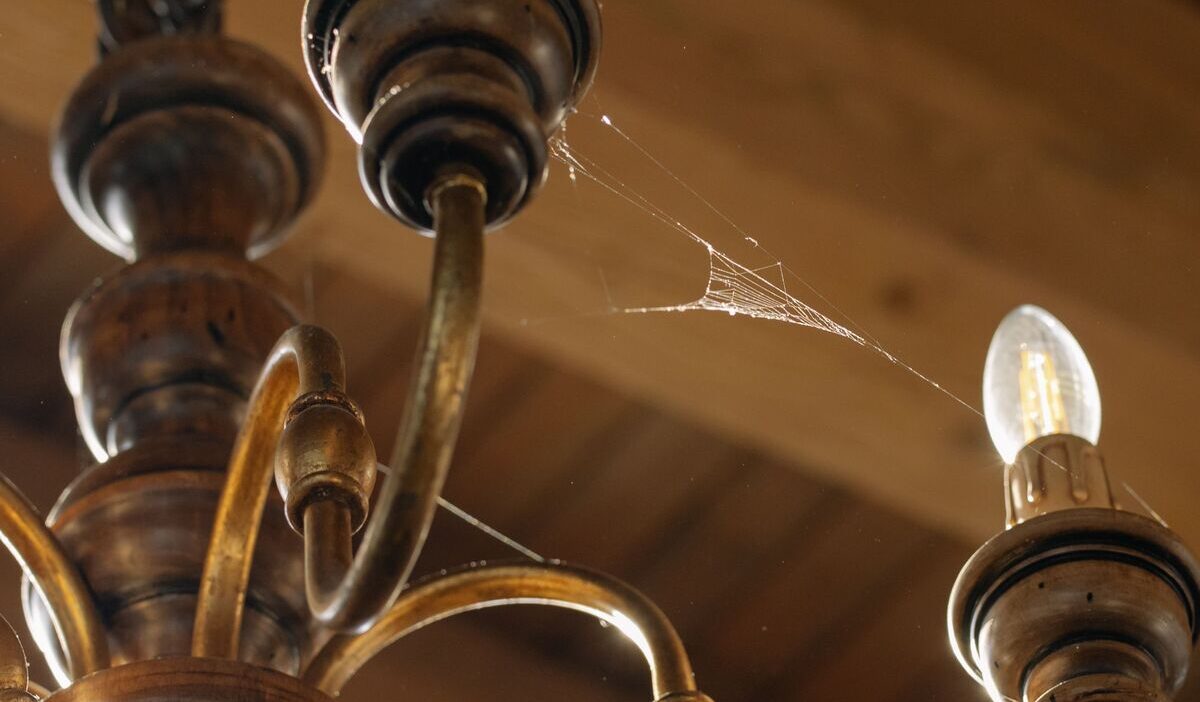
Inspect window corners, damaged screens, porch ceilings, eaves, light fixtures, and siding near exterior lights. Remove webs and egg sacs with a vacuum or long-handled brush.
Switch off unnecessary outdoor lights or move fixtures farther from entrances when practical.
>>> Read more: How to Get Rid of Silverfish by Targeting Moisture and Hiding Spots
7. Final Thoughts
The most dependable strategy for how to get rid of spiders is to reduce prey, remove webs and egg sacs, organize storage, and block entry routes. Sticky traps can help monitor activity, but they should support cleaning and exclusion rather than replace them.
Most household spiders are harmless and can be removed without pesticide. When a spider may be a widow or recluse, avoid handling it and request professional identification.