Wasps can become a serious concern when they build nests near doors, decks, play areas, walkways, or other places where people and pets spend time. The safest approach to how to get rid of wasps begins with identifying the insect, locating the nest, and deciding whether it actually creates a sting risk.
1. Why Are Wasps Coming Around Your Home?
Wasps may visit a property because they have found food, water, nesting material, prey insects, or a protected place to build a nest. Their presence does not always mean the colony is located directly beside the area where they are flying.
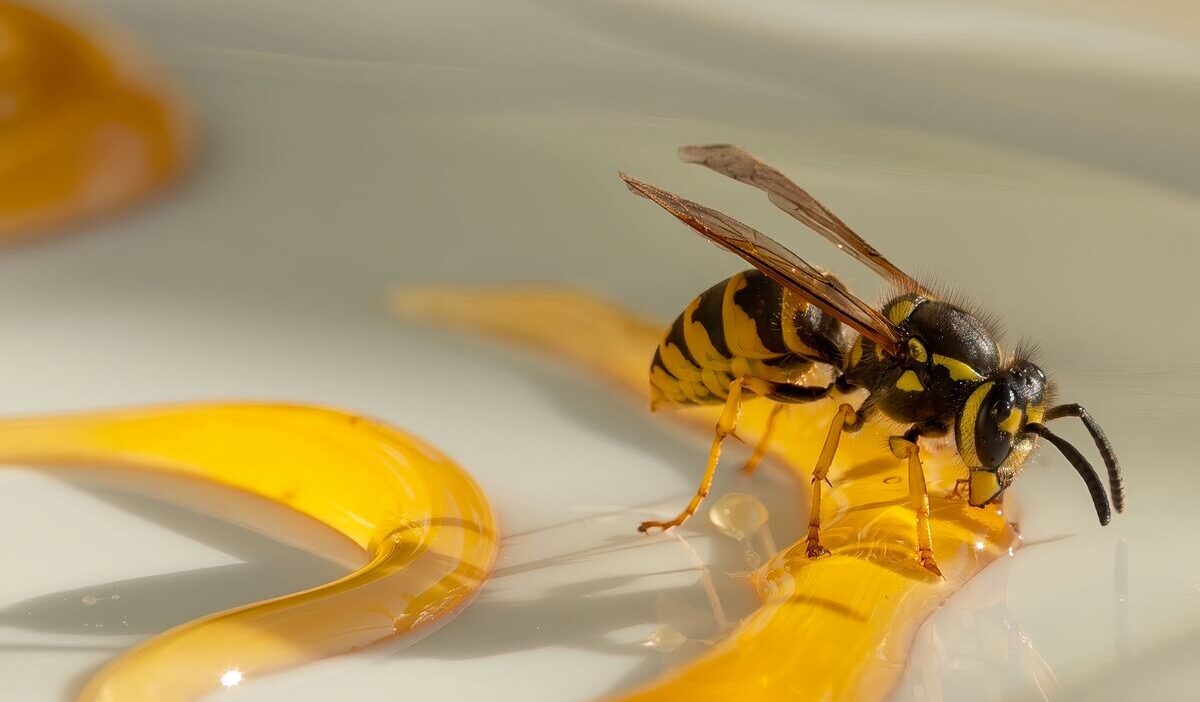
Yellowjackets are particularly attracted to sweet drinks, meat, fallen fruit, open trash, pet food, and food waste.
They often become more noticeable around outdoor meals in late summer and fall, when colonies are large and workers actively search for food. Keeping meals, drinks, and garbage tightly covered can reduce this activity.
2. Why Shouldn’t You Kill Wasps?
A dangerous nest near a doorway, playground, or seating area may need to be removed, but wasps living away from regular human activity can often be left alone.
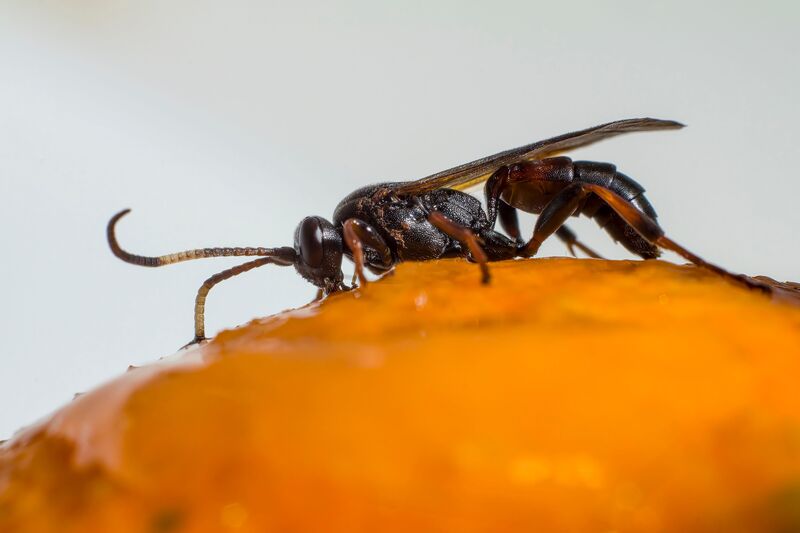
Many wasps are beneficial predators. They capture caterpillars, flies, beetles, spiders, and other organisms that may otherwise become garden or agricultural pests.
Some species also visit flowers and contribute to pollination. Most solitary wasps are not aggressive and rarely sting unless they are handled or threatened.
Killing individual workers also does little to control an established social colony. If the nest remains active, more workers will continue emerging. Swatting near a nest may increase the chance of stings by triggering defensive behavior.
>>> Read more: How to Get Rid of Silverfish by Targeting Moisture and Hiding Spots
3. How to Get Rid of Wasps?
What will keep wasps away? Begin by observing from a distance. Look for repeated traffic entering a hole in the ground, a gap in siding, an attic vent, or an exposed paper nest beneath an eave.
Do not stand directly in front of the entrance or block the insects’ flight path. If wasps are only foraging:
- Cover food, beverages, pet food, and garbage.
- Clean sugary spills and food residue promptly.
- Pick up fallen fruit.
- Repair leaking outdoor faucets and irrigation.
- Move outdoor meals away from active flight routes.
- Use commercially designed traps only as a supporting measure.
Traps may reduce some foraging yellowjackets, but they are unlikely to eliminate a nearby colony on their own.
A very small, exposed nest started early in the season may be easier to remove than a mature nest containing many workers. However, anyone with a known sting allergy, limited mobility, an uncertain escape route, or a nest above comfortable reach should not attempt treatment.
4. What Smell Do Wasps Hate?
There is no household fragrance proven to keep all wasp species away from a property or eliminate an active nest.
Peppermint, clove, lemongrass, vinegar, smoke, and other strong odors are frequently promoted as repellents. Their effects may be temporary, inconsistent, or limited to a small treated surface. They do not remove larvae, the queen, or workers inside a developed colony.
The authoritative extension guidance reviewed for this article emphasizes removing food and water, limiting access, assessing nest risk, and using species-appropriate management rather than relying on household fragrances.
Similarly, what will keep wasps away most reliably is a combination of sanitation, early nest detection, repaired screens, sealed openings, and fewer protected nesting spaces.
5. How Can You Prevent Wasps From Building Nests?
The following measures should be completed before or early in nesting season.
Seal Entry Points Before Nesting Season
Inspect siding, soffits, roof edges, attic vents, wall joints, utility penetrations, and gaps around windows and doors. Repair openings before queens begin establishing colonies.
Use suitable caulk, mesh, flashing, or building repairs depending on the size and location of the gap.
Do not seal an opening when wasps are actively entering and leaving, since they may search for another route into the building.
Remove Early Nest Starts
Check eaves, porch ceilings, sheds, decks, railings, play structures, and outdoor furniture during spring.
New paper-wasp nests may initially contain only a queen and a small exposed comb. Early nests are easier to evaluate and manage than mature colonies later in the season.
Do not approach even a small nest when identification is uncertain or when a sting could create a serious medical risk.
Keep Outdoor Areas Clean
Cover garbage and recycling, rinse food containers, and clean barbecue grease, drink spills, and pet feeding areas. During outdoor meals, keep food covered and dispose of waste promptly.
Reduce Sheltered Hiding Places
Inspect unused furniture, hollow posts, sheds, stacked materials, and protected roof spaces.
Repair damaged trim and remove abandoned nest material when it can be reached safely after activity has ended.
Reduce unnecessary clutter near structures and keep vegetation from blocking inspection of eaves, vents, siding, and foundation openings.
After a nest is professionally removed, repair the location to reduce the chance of future nesting.
>>> Read more: How to Get Rid of Carpenter Ants Before Wood Damage Spreads
6. Final Thoughts
The safest method for how to get rid of wasps is to determine whether the insects are merely foraging or defending an established nest. Remove food and water sources, observe flight routes from a distance, and leave harmless solitary species alone when practical.
Small early nests may be easier to address, but underground, hidden, elevated, or heavily populated colonies carry greater sting risk. Do not burn, flood, strike, or seal an active nest without an appropriate control plan.