
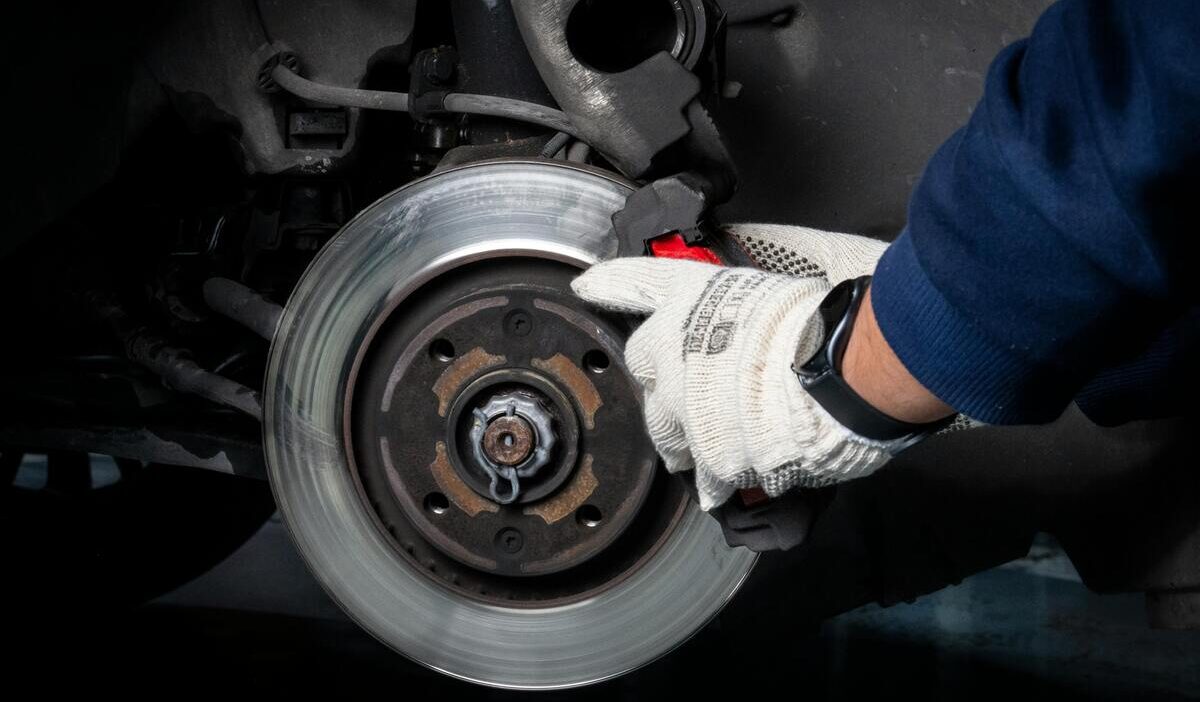
Brake pads are one of the most important wear items on any vehicle. They are designed to create friction, slow the wheels, and help the car stop safely. Because they wear down gradually, many drivers do not think about them until noise starts or braking feels different.
That is why people often ask how long do brake pads last before replacement becomes necessary.
The answer depends on mileage, driving style, traffic conditions, vehicle weight, and maintenance habits. Two drivers using the same car can experience very different brake pad lifespan simply because they use the brakes differently.
How Long Do Brake Pads Last on a Car in Real Life?
Most drivers looking for a brake replacement timeline are typically searching for a specific mileage estimate to plan their maintenance. In many vehicles, brake pads commonly last between 30,000 and 70,000 miles, but real-life use often determines where your car falls in that range.
Cars used mostly on highways may go much longer between replacements because braking is less frequent and smoother. Vehicles driven in city traffic often wear pads faster due to repeated stops, congestion, and shorter braking intervals.
Vehicle size also matters. Heavier SUVs, trucks, and cars carrying frequent loads may place more demand on the braking system than lighter vehicles.
Guidance from National Highway Traffic Safety Administration consistently emphasizes regular brake inspection because wear rates vary significantly by vehicle use.
How Long Do Brake Pads Usually Last?
Most drivers find that their brakes need replacement within a predictable window based on their routine. Generally, a standard set of pads serves well for several years of typical commuting.
- Moderate mixed driving may deliver around 40,000 to 50,000 miles
- Mostly highway commuting may extend lifespan beyond that
- Heavy urban traffic may reduce lifespan considerably
Still, mileage alone can be misleading. A driver who brakes gently may keep pads much longer than someone who accelerates hard and stops abruptly.
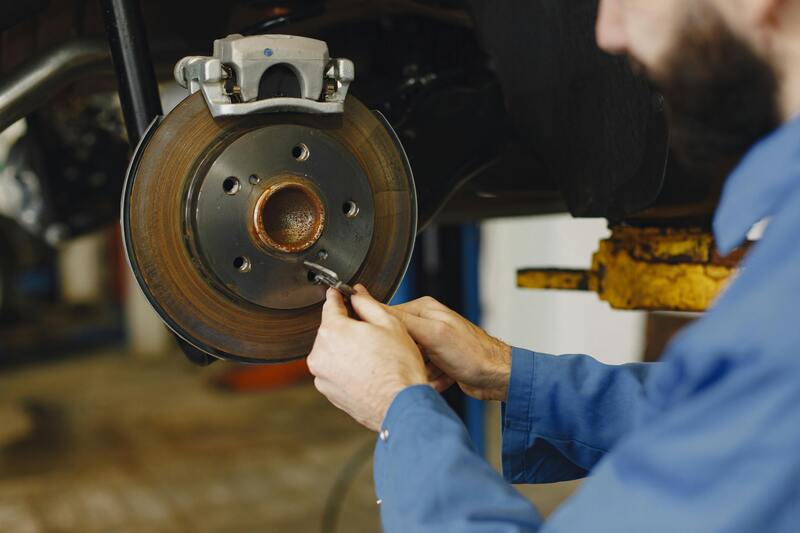
How Long Do Ceramic Brake Pads Last?
Many modern vehicles use ceramic pads or owners choose them as an upgrade.
Ceramic pads are often valued for cleaner operation, quieter braking, and strong durability.
Average Lifespan
Under typical conditions, ceramic pads generally last between 50,000 and 70,000 miles. This longevity is due to the dense ceramic material. It handles friction and high heat much better than standard metal pads.
Driving habits also play a huge role in this timeline. For instance, highway driving helps these pads last even longer because you use the brakes less often.
In these favorable cases, a high-quality set can easily push past 80,000 miles. You will save more time and money since you won’t need to visit the mechanic as frequently.
Why They Last Longer
Ceramic materials often wear more slowly and handle heat effectively during normal road use. They also tend to create less brake dust than some alternatives.
However, even ceramic pads are still affected by driving habits. Frequent hard braking, steep terrain, towing, and traffic congestion can shorten their usable life.
>>> Read more: How Long Does a Car Battery Last? Daily Use vs Long-Term Lifespan Explained
Signs Your Brake Pads Are Worn Out
Mileage estimates are useful, but real brake condition matters more. Many pads give warning signs before they become severely worn.
Squeaking or Grinding Noise
A light squeak may come from built-in wear indicators designed to alert the driver. Grinding is more serious and can suggest the friction material is worn down enough for metal contact.
Once grinding starts, delaying service may damage rotors and increase repair cost.
Reduced Braking Performance
Your car takes longer to stop when the brake pads become too thin. Moreover, the pedal often feels soft or less responsive under your foot.
Safety depends entirely on your ability to stop quickly. Consequently, a mechanic should inspect the system the moment you notice any delay.
Vibration When Braking
The brake pedal may pulse or shake because of uneven pad wear. Additionally, extreme heat often warps the rotors and causes this same vibration.
A professional inspection helps identify the exact cause of the shaking. Furthermore, fixing the issue early saves you from more expensive repairs later.
Replace Early or Risk More Damage
Waiting until brake pads are completely worn can become much more expensive than replacing them at the right time.
Brake pads are meant to be the sacrificial wear component. They are cheaper and easier to replace than rotors, calipers, or other brake hardware. If worn pads continue grinding or overheating, they may damage those more expensive parts.
Routine brake inspections can help catch problems before that happens. Many service professionals check pads during tire rotation or general maintenance visits because wheel access is already available.
Replacing pads at the correct time often provides three major benefits:
- Lower total repair cost
- Better and more consistent braking feel
- Reduced chance of rotor damage
>>> Read more: How Long Do Tires Last? Mileage, Time, and When to Replace Them
Final Thoughts
There is no single mileage figure that guarantees when brake pads must be changed. Driving habits, terrain, traffic, vehicle type, and maintenance all shape the timeline.
That is why the most useful way to approach how long do brake pads last is to combine estimates with observation. Mileage can offer a rough expectation, but sound, pedal feel, and inspection results reveal the real condition.
Drivers who brake smoothly, maintain their vehicles, and respond early to warning signs often get better lifespan and lower repair costs. Drivers who ignore symptoms may spend more and risk reduced stopping performance.