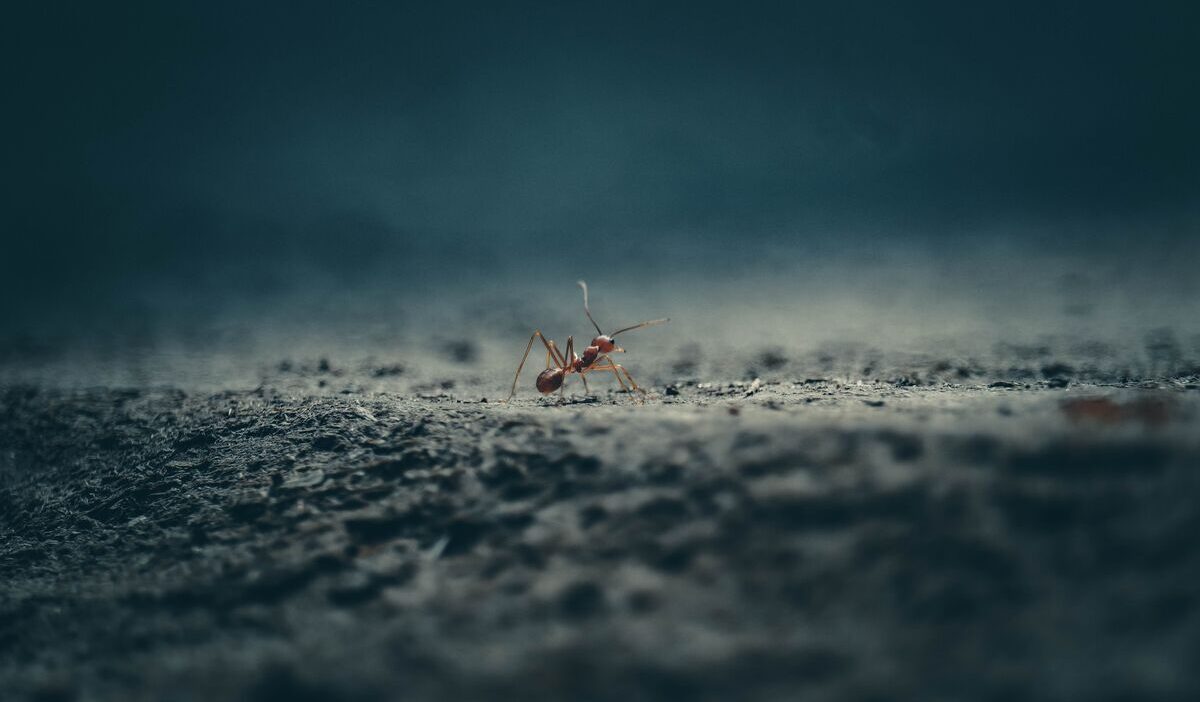
A few ants on the kitchen counter may be the visible part of a much larger colony. Worker ants can travel considerable distances from their nest while searching for food and water, then leave scent trails that guide other workers to the same location. How to get rid of ants? The best approach is not simply killing every insect you see.
1. Why Are Ants Coming into Your House?
Ants generally enter homes in search of food, water, shelter, or more favorable conditions. Once one worker finds a useful resource, others may follow the chemical trail it leaves behind.
Food Crumbs and Sweet Spills
Many common household ants are attracted to sweets, although some prefer greasy foods, protein, pet food, or dead insects.
Wipe surfaces with soapy water or an ordinary household cleaner to remove both food residue and the scent trail guiding other workers.
Water and Moisture Sources
Leaking pipes, wet sinks, condensation, clogged gutters, damp cabinets, and water-damaged wood may attract ants even when the kitchen appears clean.
Repairing leaks can therefore support pest control while also reducing conditions that may damage the building.
Cracks Around Doors, Windows, and Walls
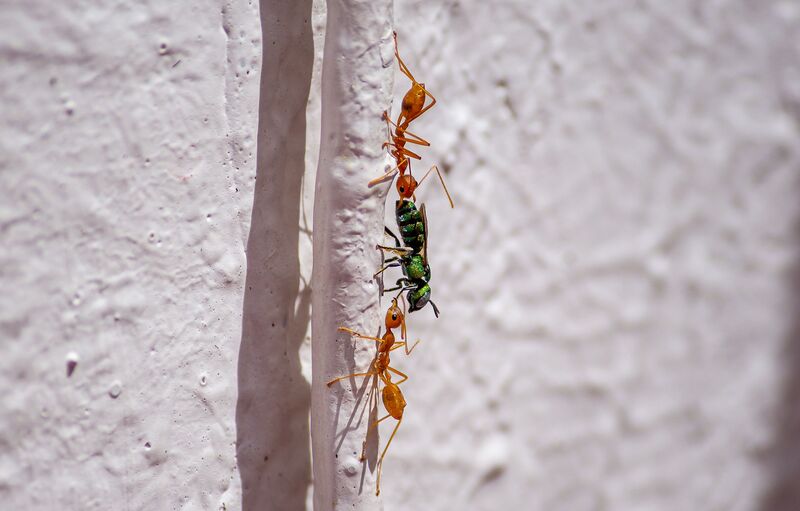
Follow active ants in both directions when possible.
A trail disappearing into a crack may reveal an entry point, but it does not necessarily mean the nest is immediately behind that opening. Workers may travel a long distance from an outdoor nest.
Weather and Seasonal Changes
Ant activity often rises during warmer months as colonies grow and workers search more actively for food, water, and nesting space.
Heavy rain may disturb outdoor nests, while hot or dry conditions can push ants indoors for moisture. Some species also enter structures more frequently during particular seasonal periods.
2. Where Should You Check to Find the Hidden Ant Nest?
Start by observing the ants before spraying or wiping them away. Workers traveling from food back toward the colony may reveal the direction of the nest or the point where they enter the building.
Inspect:
- Beneath sinks and around plumbing openings
- Behind cabinets, appliances, and baseboards
- Around door and window frames
- Inside damp or damaged wood
- Near roof or plumbing leaks
- Beneath floors and around wall voids
- Along foundations, patios, and sidewalks
- Under stones, mulch, boards, and landscape timbers
- Around tree stumps and branches touching the house
>>> Read more: How to Get Rid of Ants in the House: Find the Nest and Stop the Infestation
3. How to Get Rid of Ants: The Best Control Methods?
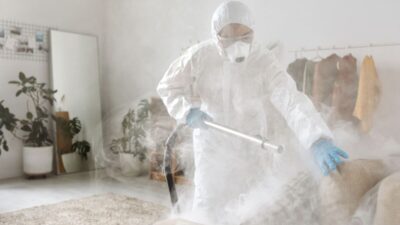
What gets rid of ants immediately? Soapy water, vacuuming, or a labeled contact spray can kill visible workers quickly.
However, immediate removal is not the same as eliminating the colony. For more effective control:
- Identify the ant or observe its size, color, trail, and food preference.
- Remove exposed food, crumbs, spills, and standing water.
- Wash scent trails with soapy water.
- Place enclosed ant bait near active trails.
- Avoid spraying insects feeding at the bait.
- Monitor the station and replace it when empty or dry.
- Seal access points after the colony has declined.
4. How Do I Get Rid of Ants Permanently in My House?
No spray or home remedy can guarantee that another outdoor colony will never send workers inside.
Avoid broad indoor spraying when ants are using bait. Fast-acting sprays may kill workers before they carry the bait back to the colony.
Certain species can also respond to disturbance by dividing or moving into additional nesting sites.
If an accessible outdoor nest is clearly identified, it may be treated with a product labeled for outdoor ant control.
Hidden indoor nests and carpenter ant colonies are usually better handled through targeted professional treatment.
5. How Can You Prevent Ants From Coming Back?
Prevention completes the process by making the house less attractive and harder to enter.
Store Food in Sealed Containers
Keep sugar, cereal, flour, snacks, pet food, and other pantry items in hard containers with tight lids. Cardboard boxes and loosely folded bags may not provide enough protection.
Do not leave pet food out overnight, and wipe residue from the floor around feeding areas.
Clean Counters and Floors Regularly
Clean sweet spills, grease, crumbs, and dirty dishes promptly. Vacuum beneath dining tables and appliances, where small amounts of food may remain unnoticed.
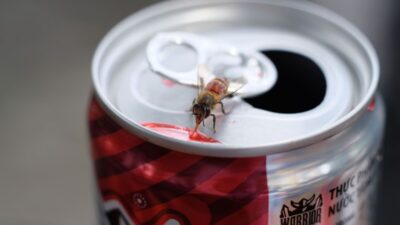
Rinse soft drink cans and food containers before placing them in recycling bins.
Fix Leaks and Reduce Moisture
Repair dripping taps, leaking pipes, roof damage, and clogged gutters. Dry condensation and replace moisture-damaged wood where needed.
This step is particularly important when ants repeatedly appear around bathrooms, sinks, windows, or crawl spaces.
Trim Plants Away From the House
Branches, shrubs, and vines touching exterior walls can provide convenient travel routes. Trim vegetation back and keep mulch from piling directly against the foundation.
Store firewood away from the house, especially when the wood is damp or beginning to decay.
Seal Common Entry Points
Use appropriate caulk or repairs to close confirmed gaps around windows, doors, foundations, pipes, cables, and siding.
What scent will keep ants away? Vinegar, peppermint, and citrus are often suggested. Their effects are usually temporary and they will not eliminate a colony.
6. When Should You Call a Pest Control Professional?
Professional help is appropriate when the ants repeatedly return despite careful sanitation and baiting, the nest cannot be reached, or activity appears to involve structural wood.
Arrange an inspection if you notice large carpenter ants indoors during winter, winged ants emerging inside, repeated piles of sawdust-like debris, damp or damaged wood, or activity near electrical systems.
>>> Read more: How to Get Rid of Fruit Flies and Keep Them From Coming Back
7. Final Thoughts
The most reliable strategy for how to get rid of ants is to target the colony rather than repeatedly killing visible workers. Follow the trail, identify likely food and moisture sources, and use bait or direct nest treatment appropriate for the species.
Immediate cleanup can remove workers from a counter, but longer-term results require sanitation, leak repair, vegetation management, and entry-point sealing. When the nest is hidden in damaged wood or another inaccessible part of the building, professional inspection is the safer next step.