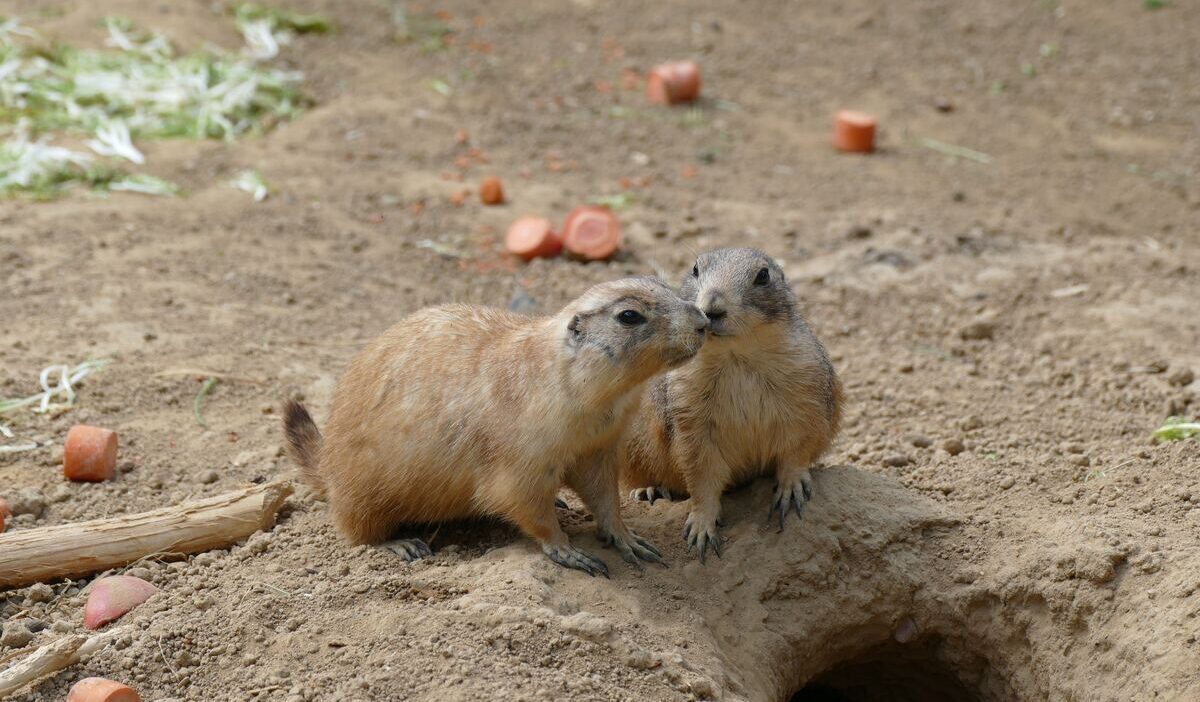
Gophers can damage lawns, gardens, irrigation systems, and young trees while spending most of their lives underground. Because they rarely stay above ground for long, random surface treatments often fail.
The most effective approach to how to get rid of gophers is to identify fresh activity, find the main tunnel rather than a side branch, and place traps or labeled bait directly where the animal is traveling.
Once the active tunnel system is controlled, protecting roots and monitoring old runs can reduce reinvasion.
1. How Do You Know If Property Damage Is Caused by Gophers?
Gophers leave several distinctive signs. Fresh mounds are usually fan- or crescent-shaped rather than perfectly circular. Soil is pushed to one side of the tunnel, and the entrance is often plugged after excavation.
A typical mound can reach roughly 12–18 inches across, although size varies with soil and species.
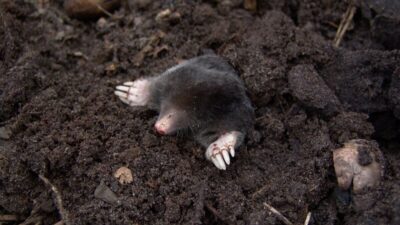
Gophers are different from moles. Moles mainly create raised surface ridges while feeding on soil insects, whereas gophers excavate deeper tunnels and leave obvious soil mounds.
Correct identification matters before deciding how to get rid of gophers, because mole traps, vole control, and gopher control are not interchangeable.
2. How to Find the Main Gopher Tunnel?
Finding the main run is one of the most important steps in how to get rid of gophers. Traps or bait placed in an abandoned side tunnel may never be encountered.
Work from the freshest mound and probe carefully rather than digging randomly across the lawn.
Start With a Fresh Mound
Choose a mound with loose, moist-looking soil and little vegetation growing through it. Older mounds may belong to a tunnel section that is no longer being used.
The plugged opening is usually located on the flattened or indented side of the mound. The main tunnel often runs several inches away from that point rather than directly beneath the center of the pile.
Locate the Main Run
Use a gopher probe or long metal rod to test the soil approximately 8–12 inches away from the mound.
Main feeding tunnels commonly sit around 6–12 inches below the surface, although nesting and food-storage chambers can be much deeper.
Push the probe into the soil repeatedly around the suspected path. When the probe suddenly drops with less resistance, you may have entered the tunnel.
Confirm the Tunnel Is Active
Do not assume every tunnel you find is still occupied. After opening a small section, loosely cover it and check again later.
If the gopher plugs the opening with soil, the run is active. Fresh digging nearby over the next day or two is another strong indicator.
>>> Read more: How to Get Rid of Skunks and Keep Them Away From Your Property
3. How to Get Rid of Gophers?
For an established gopher problem, trapping and properly labeled bait are the two main control methods.
Setting Traps Inside Active Main Tunnels
Trapping is often one of the most reliable methods for a small number of gophers.
Once the main tunnel is found, open enough space to place two traps facing opposite directions. This covers traffic from either side of the run. Secure traps with wire or stakes so they cannot be dragged deeper underground.
Check them daily and move them if there is no activity after several days.
Gophers usually maintain territories of approximately 200–2,000 square feet, depending on food availability, soil, season, and species.
Applying Targeted Gopher Baits Safely
Bait can be effective when applied directly inside an active tunnel, but it must be used exactly as the label directs.
Probe to locate the main run, create a small access hole, and place only the labeled amount into the tunnel without spilling bait on the soil surface.
Products containing zinc phosphide or anticoagulant ingredients may be registered for pocket gopher control, but risks to pets, wildlife, and children make careful placement essential.
Hiring Professional Wildlife Control
Professional help makes sense when several tunnel systems are active, damage covers a large property, or traps and bait repeatedly fail.
A professional can map the active runs, distinguish current mounds from old ones, and use control products according to local regulations.
This is also a safer option when gophers are active near playgrounds, pets, irrigation equipment, or other areas where rodenticide exposure would be a concern.
4. Do Gopher Repellents and Home Remedies Work?
Many products are marketed as gopher repellents, including castor oil, ultrasonic stakes, vibrating devices, garlic, predator urine, smoke, flooding, and strong-smelling plants.
Results are generally inconsistent. Gophers live in extensive underground systems and can often block or avoid a disturbed section rather than abandon the entire territory.
Flooding may also damage landscaping, collapse soil, or waste large amounts of water without eliminating the animal.
Ultrasonic or vibrating devices have not shown reliable long-term control in field conditions.
For how to get rid of gophers, active-tunnel trapping, properly labeled bait, and exclusion are more dependable than scent or vibration-based home remedies.
5. How to Protect Plants While You Deal With the Gophers?
Even while active gophers are being controlled, valuable plants can be protected from underground feeding.
Use physical barriers around the areas most likely to suffer serious damage.
Use Underground Barriers
Raised beds can be lined underneath with galvanized wire mesh before soil is added.
Mesh openings of approximately 1/2 inch or smaller are commonly recommended to exclude pocket gophers.
Barriers around individual beds should extend far enough below ground to prevent animals from easily tunneling underneath.
Protect Young Trees
Young trees are vulnerable because root loss can reduce establishment and eventually kill the plant.
Wire baskets or gopher-resistant root cages can be installed around the root ball at planting. Leave enough room for roots to expand while keeping the protective mesh below ground.
Check Irrigation Lines
Gophers may chew plastic irrigation tubing or expose lines while tunneling.
Inspect drip lines near fresh mounds and repair leaks promptly. A persistent leak can soften the surrounding soil and create additional problems around roots.
Protecting infrastructure is part of how to get rid of gophers because ongoing water leaks can hide new activity and increase repair costs.
6. How Can You Prevent New Gophers From Moving Into Old Tunnels?
Removing one gopher does not make the tunnel system disappear.
Old burrows may eventually be reused by another animal, especially when the property still offers abundant roots, bulbs, and soft soil. After control:
- Flatten old mounds so fresh ones are easy to spot.
- Collapse accessible tunnel sections where practical.
- Maintain underground barriers around high-value beds.
- Monitor property edges for new soil disturbance.
- Keep irrigation leaks repaired.
- Check vulnerable trees for fresh root-zone digging.
Gopher populations can fluctuate substantially from year to year. One acre can sometimes support 16–20 or more gophers where food and soil conditions are favorable.
>>> Read more: How to Get Rid of Voles in Your Yard Before They Cause Costly Damage
7. Final Thoughts
The most reliable answer to how to get rid of gophers is to work underground where the animal actually travels.
Avoid relying on ultrasonic devices, flooding, or scent-based remedies as your primary strategy. Protect raised beds, young trees, and irrigation systems with physical barriers while control is underway.