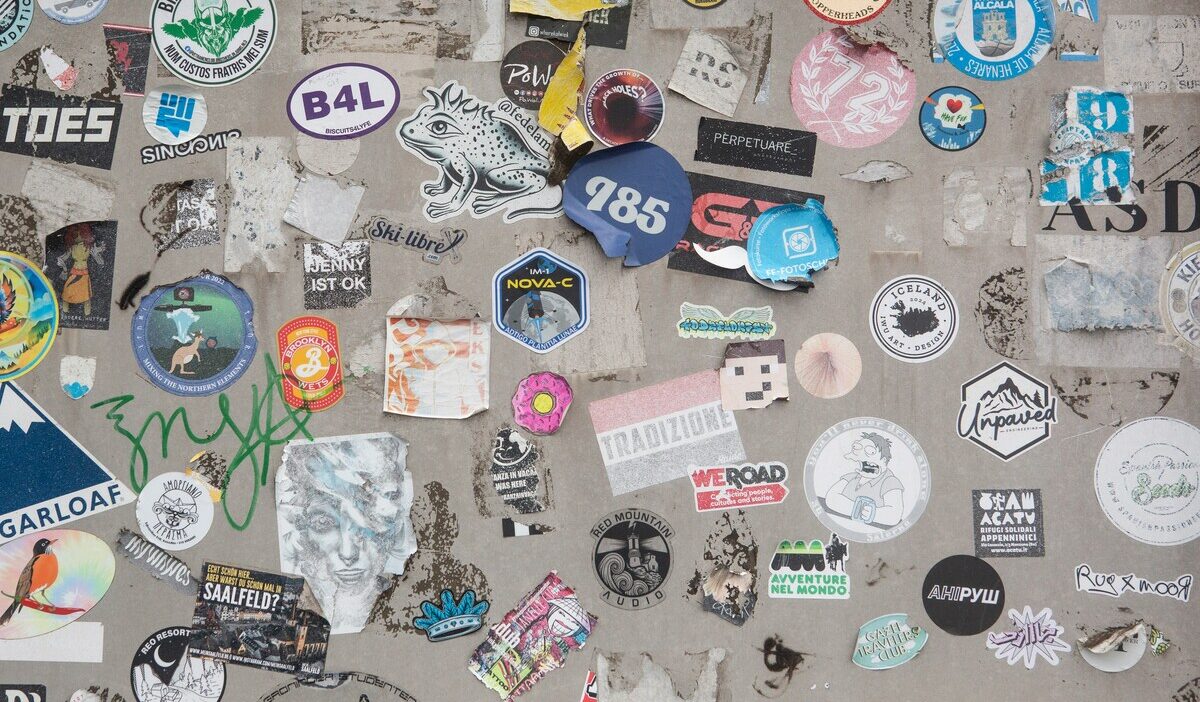
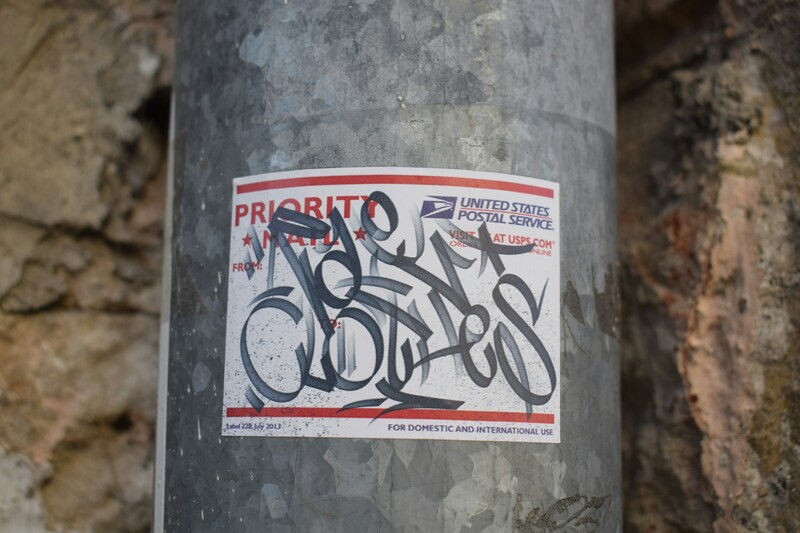
A peeled label that leaves a gummy patch behind collects dust and lint fast, and the wrong fix can leave a scratch or stain that is worse. This guide explains how to get rid of sticker residue safely, surface by surface.
1. Why Is Sticker Glue So Hard to Wipe Away With Water Alone?
Most sticker adhesive is built to hold on and resist moisture, so a damp cloth tends to smear it instead of dissolving it.
Heat, oils, and alcohol break the bond down far better, which is why they appear in most cleaning guides. Time makes it harder too.
Conservators note that adhesive changes as it ages and can soak into the material beneath, so removing a sticker soon after it goes on is best.
The surface matters as much as the glue. Smooth glass tolerates strong methods, while plastic, paint, and raw wood can melt, dull, or stain.
Before using any method on a visible spot, test it somewhere hidden, wait a few minutes, and watch for color change or a dull patch. Understanding this is the first step in how to get rid of sticker residue without damage.
2. How to Get Rid of Sticker Residue From Common Surfaces?
The same sequence works almost everywhere: warm the residue, soften it, lift it with a plastic scraper, then wash the area. Start with the gentlest option and move up only if needed.
Glass, Ceramic, and Metal
These hard surfaces handle the most options. Warm the residue with a hair dryer on low or medium for 30 to 60 seconds, then peel and scrape with a plastic scraper.
For leftover film, dab isopropyl alcohol, wait one to two minutes, and wipe. A soft cloth with warm soapy water handles light residue. For thick glue on durable metal, a commercial adhesive remover is stronger.
Avoid abrasive pads, which can scratch glass. On stainless steel, wipe along the grain to prevent streaks. Magic erasers can dull polished or glossy metal.
Plastic and Electronic
Plastic needs a gentler approach, because acetone and nail polish remover can melt, cloud, or discolor it.
- Start with warm soapy water for light residue.
- Rub a little cooking oil or a baking soda paste over the glue for a few minutes.
- Use isopropyl alcohol only on plastics you have tested first.
- Warm stubborn glue briefly with a hair dryer, but avoid too much heat on weaker plastics.
Wood and Painted Walls
On finished or sealed wood, warm the sticker for 30 to 60 seconds, peel slowly, then dab baby oil, vegetable oil, or a citrus adhesive remover.
Wipe with warm soapy water afterward. Heat can lift delicate lacquer, so keep the dryer moving.
On painted walls, use a soft cloth with a little dish soap and as little moisture as possible. Never use acetone or paint thinner on painted walls, and avoid hard scrubbing, which can peel or dull the paint.
Clothing and Fabric
Fabric needs patience when how to get rid of sticker residue is the goal. Remove as much of the sticker as you can with a fingernail or a hair dryer first. Then check the care label and test a hidden spot.
For washable items, soak the residue in hot soapy water, or rub it with white vinegar or isopropyl alcohol before washing.
Do not put the item in the dryer until all the glue is gone, because heat can set it. Avoid oils unless nothing else works, since they can leave their own stain. If a mark remains, take the garment to a professional cleaner.
3. Which Surfaces Are the Hardest to Clean and How Do You Tackle Them?
Unfinished or raw porous wood is the hardest surface. Adhesive sinks into the open grain, and water, oil, and solvents can follow it, causing stains or swelling. Work in this order, and test a hidden corner first.
Apply High-Heat Steam
Steam softens glue without a chemical. Hold a handheld steamer, or an iron’s steam setting, a few inches above the sticker for a few seconds. Then peel the sticker slowly and scrape with a plastic scraper.
Keep bursts short and wipe away moisture right away, because steam can soak into raw wood and cause staining or swelling. If the residue stays tacky after a couple of tries, move to a solvent.
Dab Acetone or Heavy-Duty Adhesive Remover
Use this as a last resort on unfinished wood only. Dab a small amount on a cloth, press it on the glue for a short time, and lift the softened residue with a plastic scraper. Do not pour it on the surface.
Acetone is flammable and irritates the skin and eyes. Work with open windows, away from flames and hot surfaces, and wear gloves.
Never use it on painted, sealed, or lacquered wood, and follow the label of any commercial remover.
Sand the Surface Gently Along the Grain
When residue has left a stain, a rough patch, or a lighter spot, a light sanding may fix it.
Use fine sandpaper, move only along the grain, and stop as soon as the area feels smooth. Wipe off dust, then refinish if the wood was sealed before.
The wood under a sticker may look lighter because light never reached it. It often evens out over time, or you can refinish the whole surface for a matching look.
>>> Read more: How Long Do Car Seats Last? Expiration Dates, Safety, and When to Replace Them
4. Which Common Cleaning Mistakes Cause Permanent Scratches or Stains?
Small shortcuts cause most lasting damage. Check this list before you start how to get rid of sticker residue on anything valuable.
- Using metal blades or steel wool: They scratch wood and soft finishes. Use a plastic scraper.
- Scrubbing with abrasive pads: They dull glass, glossy metal, and paint.
- Putting acetone on plastic or finishes: It can melt plastic and strip painted, sealed, or lacquered surfaces.
- Overusing heat: Too much can scorch wood, lift lacquer, or warp thin plastic.
- Soaking wood or electronics: Liquid can warp wood, strip finishes, and damage devices.
- Skipping the hidden-spot test: Every method can discolor something.
- Drying fabric too early: Heat can set the glue.
- Using vinegar on stone: It can damage marble and other stone surfaces.
>>> Read more: How to Get Rid of Roaches Overnight DIY: Proven Steps for Fast Relief
5. Final Thoughts
Sticker glue comes off easily once you match the method to the surface. The safest approach to how to get rid of sticker residue is to warm the glue, lift it with a plastic scraper, and test every product in a hidden spot first.
Save acetone and sanding for raw wood, keep the room ventilated, and stop if the surface starts to change color.