Tiny flies circling your plants, sink, or fruit bowl can make a clean kitchen feel dirty. This guide explains how to get rid of gnats inside the house using simple, low-chemical steps matched to the type of fly you actually have.
1. Are Gnats in the House Harmful or Just Annoying?
Mostly annoying. Adult fungus gnats do not feed on plants and are mainly a nuisance around windows, lamps, and soil.
Their larvae eat decaying matter and fungi, and they rarely damage roots in homes. Drain flies do not bite or damage plumbing, and they are not a documented health threat.
Even so, gnats signal a problem worth fixing. Wet soil, slimy drains, and rotting food are the breeding sites, and the flies multiply quickly because all life stages overlap indoors.
2. What Causes Gnats Inside the House?
Gnats need moisture and decaying organic matter to breed. These are the most common causes:
- Overwatered houseplants: Constantly wet soil attracts egg-laying fungus gnats.
- Slimy drains: Sludge inside sink, tub, and floor drains feeds drain fly and fruit fly larvae.
- Overripe or fermenting produce: Fruit and vegetables left out draw fruit flies.
- Leaks and wet spots: Dripping pipes, dirty garbage cans, plant saucers, and condensate pans under refrigerators or air conditioners hold moisture.
- New or relocated plants: Plants moved indoors for fall can bring gnats with them.
3. Which Type of Gnat Do You Have in Your Home?
Different flies need different fixes, so identify yours before treating.
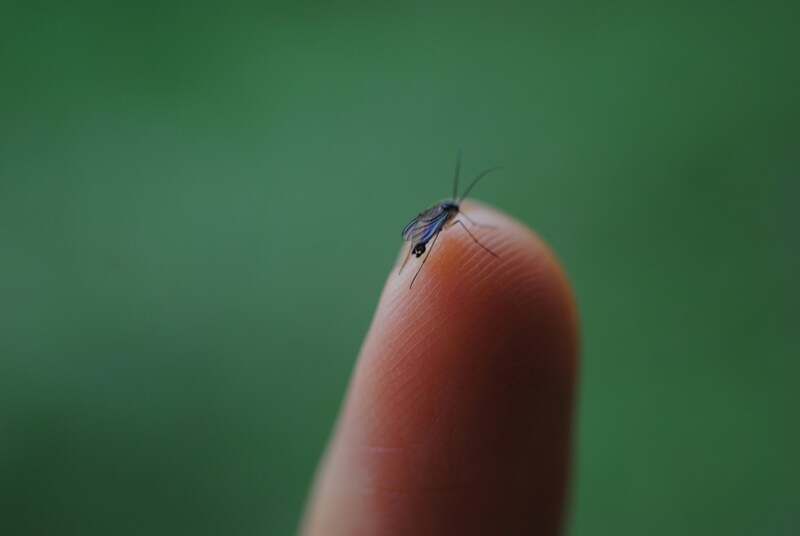
- Fungus gnats: Delicate gray to black flies about 1/8 inch long. They swarm up from plant soil when you water and gather at windows.
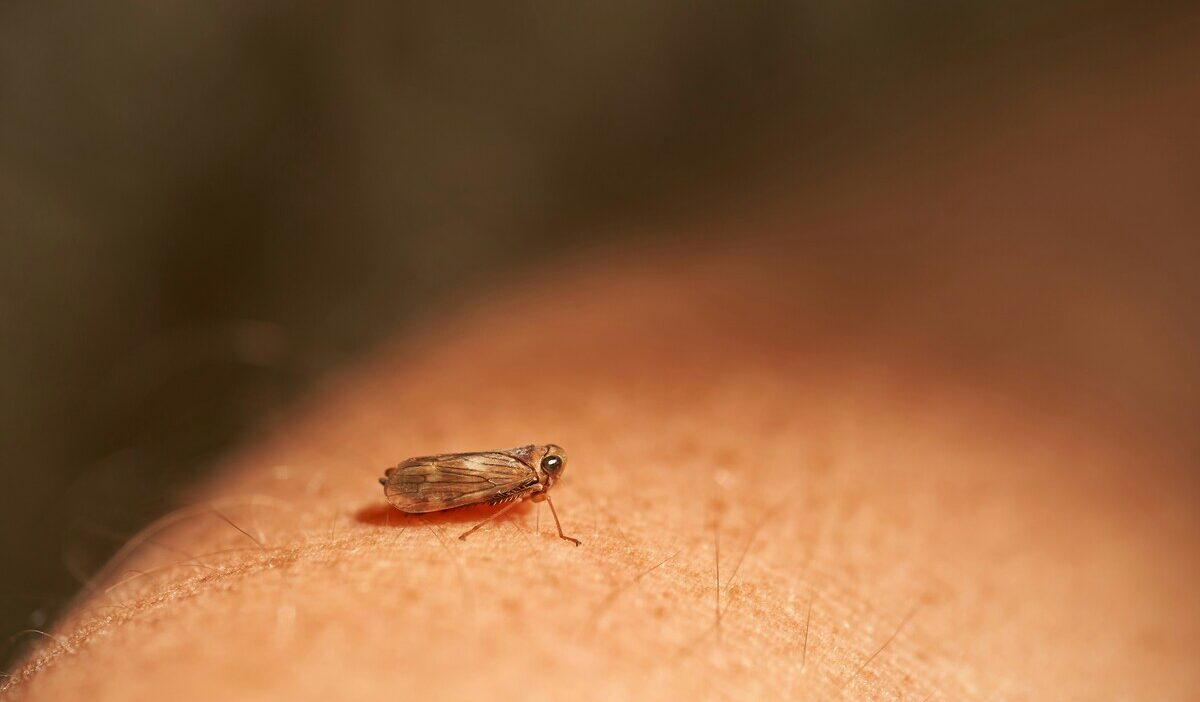
- Fruit flies: Small, red-eyed flies found around overripe fruit, sinks, and windows.
- Drain flies: Fuzzy, moth-like flies, about 2 to 3 mm, with wings held roof-like. They fly weakly and rest on bathroom, kitchen, and basement walls.
Two quick tests help. Place a slice of potato on the soil, and check after 3 to 4 days for larvae.
To check a drain, tape a sticky strip or plastic wrap over the opening overnight. Flies caught under it mean the drain is a breeding site.
>>> Read more: How to Get Rid of Gnats in the House Fast and Stop Them From Coming Back
4. How to Get Rid of Gnats Inside the House Step by Step?
Start with the source, then trap adults to speed up results. Here is how to get rid of gnats inside the house for each of the three common types.
Dry Out Houseplant Soil and Trap the Adults
Fungus gnat larvae live in the top inch or so of damp soil, so drying it is the most important step.
- Water only when the top inch is dry, or water from the bottom.
- Empty standing water from saucers.
- Cover soil with a half inch to 1 inch of coarse sand or fine gravel to discourage egg-laying.
- Place small yellow sticky traps near the soil, and replace them every few days. Keep them out of reach of children and pets.
- Apply Bti, a biological product, as a soil drench to kill larvae. It does not affect adults or eggs, so repeat every 5 to 7 days, and follow the label.
Clear Rotting Food and Use a Vinegar Trap for Fruit Flies
Fruit flies breed in fermenting, wet organic matter, so find and remove it. Throw out overripe produce, empty trash often, wipe spills, and rinse discarded bottles and cans before recycling.
For adults, set a simple vinegar trap. Pour apple cider vinegar into a small bowl, add a drop of dish soap, and cover with plastic wrap with small holes.
Flies enter but struggle to leave. Keep refreshing it until you stop catching flies. Insecticide sprays give only temporary relief, so removing the source matters more.
Scrub Drains and Repair Leaks for Drain Flies
Drain flies lay eggs in the slime lining pipes, so cleaning is the fix. Scrub the drain opening and the walls with a stiff brush to remove sludge.
Pour hot water down the drain for short-term control, and consider a bacterial drain treatment that breaks down organic buildup.
- Do not rely on bleach or vinegar, which are ineffective for drain flies.
- Never mix ammonia with bleach, and never pour insecticides down a drain.
- Fix leaking pipes and clean drip pans under refrigerators, air conditioners, and dehumidifiers.
5. How to Keep Gnats From Returning?
Prevention is mostly about keeping surfaces dry and clean. Use these habits to maintain how to get rid of gnats inside the house results:
- Water less in winter: Plants need less water then, and overwatering is a common cause.
- Quarantine new plants: Keep them separate for a few weeks with a sticky trap, and inspect daily.
- Use heat-pasteurized potting mix: Store it away from infested areas.
- Clean drains regularly: Use them often, since infrequently used drains are more likely to host flies.
- Cover trash and fix leaks: Moist, dirty spots invite breeding.
>>> Read more: How to Get Rid of Gnats in Plants and Prevent the Reinfestation
6. FAQs
Why do gnats show up more in winter?
Houseplants need less water in winter, but many people keep watering on the same schedule. The soil stays wet, which suits fungus gnat larvae. Plants moved indoors for the cold season may also arrive with larvae.
How long until gnats disappear after I fix the source?
For how to get rid of gnats inside the house, timing depends on the fly. For fungus gnats, expect about 3 to 4 weeks of modified watering and sand or gravel use.
Can gnats come in with new plants or potting soil?
Yes. Inspect new plants before buying, and quarantine them at home for a few weeks. Most commercial potting mixes are heat-treated, but store open bags away from infested plants and sealed from outside moisture.
7. Final Thoughts
Gnats are rarely dangerous, but they will not leave until you remove their breeding source. The most reliable answer to how to get rid of gnats inside the house is to identify the type, dry or clean the source, and trap adults while larvae die off.
Be patient for a few weeks, and call a pest professional if flies keep returning after the source is fixed.