
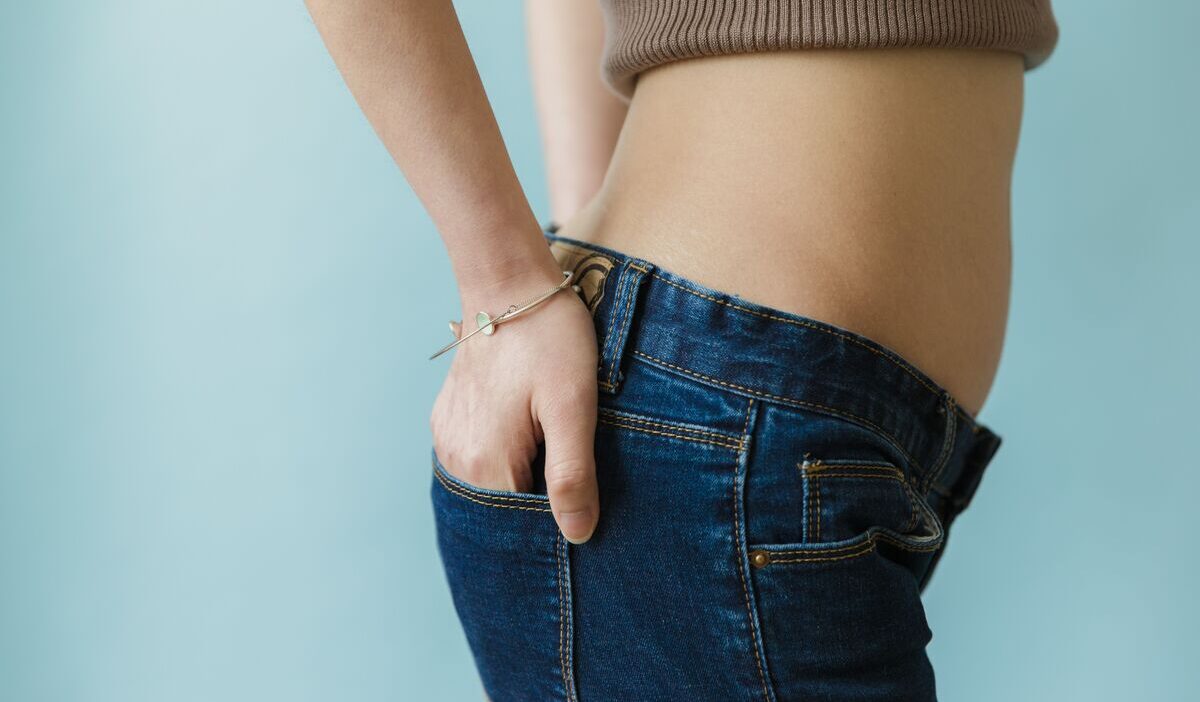
An apron belly, sometimes called an abdominal pannus, is an overhang of skin and fat that extends from the lower abdomen. It may develop after pregnancy, substantial weight gain or loss, aging, or changes in body composition.
The realistic answer to how to get rid of apron belly depends on what the overhang is made of. Body fat can decrease with sustained weight loss, while stretched or excess skin may remain even after the underlying fat becomes smaller. Exercise can strengthen the abdominal area and preserve muscle, but it cannot selectively burn fat from one specific body part.
1. What Is an Apron Belly?
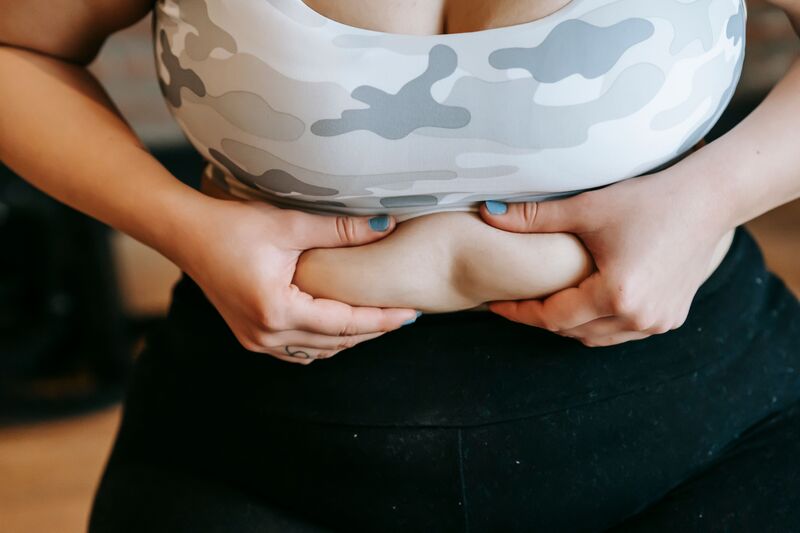
An apron belly is a fold of skin and fatty tissue that hangs from the lower abdomen. In medical settings, a large lower-abdominal overhang may be referred to as a pannus.
Its size and appearance can vary widely. Some people have mostly subcutaneous fat beneath the skin, while others have a significant amount of loose skin after pregnancy or major weight loss. In many cases, both are present.
This distinction matters when considering how to get rid of apron belly. Fat tissue can shrink when overall body fat decreases, but skin does not respond to diet and exercise in the same way.
A larger abdominal fold can also create practical concerns such as moisture, chafing, and skin irritation where the surfaces rub together. Persistent rashes, sores, infections, or difficulty keeping the area dry are reasons to discuss the problem with a healthcare professional.
2. How to Get Rid of Apron Belly?
There is no exercise, supplement, or food that specifically removes fat only from the lower abdomen.
A practical plan usually includes food habits, aerobic activity, and resistance training.
Start With Food Habits You Can Maintain
A sustainable calorie deficit is more useful than a short crash diet.
Build meals around foods that help with fullness and nutrition, such as vegetables, fruit, whole grains, lean protein, beans, eggs, dairy or suitable alternatives, and healthy fats. Limiting heavily processed snacks and sugary drinks can also make calorie intake easier to manage.
Weight loss tends to be easier to maintain when it happens gradually. A pace of about 1–2 pounds per week is commonly associated with better long-term weight maintenance than faster loss.
For how to get rid of apron belly, consistency matters more than pursuing the fastest possible result.
Add Regular Cardio
Cardio increases energy expenditure and improves cardiovascular health, which makes it a useful part of overall weight management.
Healthy adults can aim for at least 150 minutes of moderate-intensity aerobic activity per week. Brisk walking, cycling, swimming, dancing, and similar activities all count.
If you are currently inactive, start with shorter sessions. Even five-minute walks several times per day can be used as a starting point before gradually increasing duration.
You do not need a special “belly fat cardio” workout. The purpose is to increase total activity and support gradual fat loss throughout the body.
>>> Read more: How Long Do Lash Extensions Last? Beauty Tips That You Need
Use Strength Training to Preserve Muscle
Strength training does not directly melt an apron belly, but it helps preserve muscle while weight is being lost.
Aim to train the major muscle groups at least 2 days per week.
Useful movements can include squats, rows, presses, deadlift variations, resistance-band exercises, and appropriately scaled core work.
Training the abdominal muscles can make the midsection stronger, but it cannot force fat to disappear from the lower abdomen first.
3. What Happens to Apron Belly After Weight Loss?
The appearance after weight loss depends on how much of the original overhang came from fat versus stretched skin.
The Fat Portion May Become Smaller
As total body fat decreases, the fatty portion of an abdominal pannus can become smaller.
The change may be gradual rather than dramatic because people lose fat in different patterns. Genetics, age, hormones, previous pregnancies, and starting body composition can influence where fat comes off first.
Avoid judging progress only by one body area. Waist measurements, clothing fit, strength, activity level, and overall health can provide a broader picture.
Loose Skin May Remain
Skin that has been stretched substantially may not fully contract after major weight loss.
Age, genetics, pregnancy history, amount of weight lost, and how long the skin remained stretched can influence the final result. Significant weight loss is one of the common reasons people are left with excess lower-abdominal skin.
More dieting or abdominal exercises cannot always remove tissue that is primarily loose skin rather than fat.
Give Your Body Time Before Judging the Result
Body composition and skin appearance do not stabilize immediately after weight loss.
If weight is still changing, continue focusing on sustainable habits before judging the final abdominal contour.
Large fluctuations can also affect the results of future body-contouring surgery, which is why substantial planned weight loss is generally completed before procedures such as panniculectomy are considered.
Avoid responding to loose skin by pursuing increasingly aggressive calorie restriction. Maintaining muscle, nutrition, and a stable weight is more useful than repeatedly cycling through extreme diets.
4. What Are Your Options When Diet and Exercise Cannot Remove Loose Skin?
When the remaining apron is mostly loose skin, lifestyle changes have limits.
A panniculectomy is a surgical procedure designed to remove hanging skin and fat from the lower abdomen. Unlike a tummy tuck, it does not typically include tightening the abdominal muscles.
Surgery may be discussed when excess tissue causes functional problems such as recurrent irritation, hygiene difficulty, mobility problems, or significant discomfort, as well as for body-contouring goals.
Possible risks include bleeding, infection, fluid accumulation, poor wound healing, numbness, persistent pain, blood clots, unfavorable scarring, and the possibility of revision surgery.
For that reason, surgery is not a shortcut for how to get rid of apron belly. It is an option for excess tissue that cannot be removed through fat loss, and it should be discussed with a qualified plastic surgeon after weight and overall health are reasonably stable.
>>> Read more: How to Get Rid of Butt Acne: Fast Remedies for Smooth, Clear Skin
5. Final Thoughts
The realistic approach to how to get rid of apron belly is to separate what can change with lifestyle from what cannot.
If the lower-abdominal overhang contains significant body fat, sustainable eating habits, regular cardio, and strength training can gradually reduce it. Aim for steady progress rather than extreme dieting, and use resistance exercise to preserve muscle during weight loss.