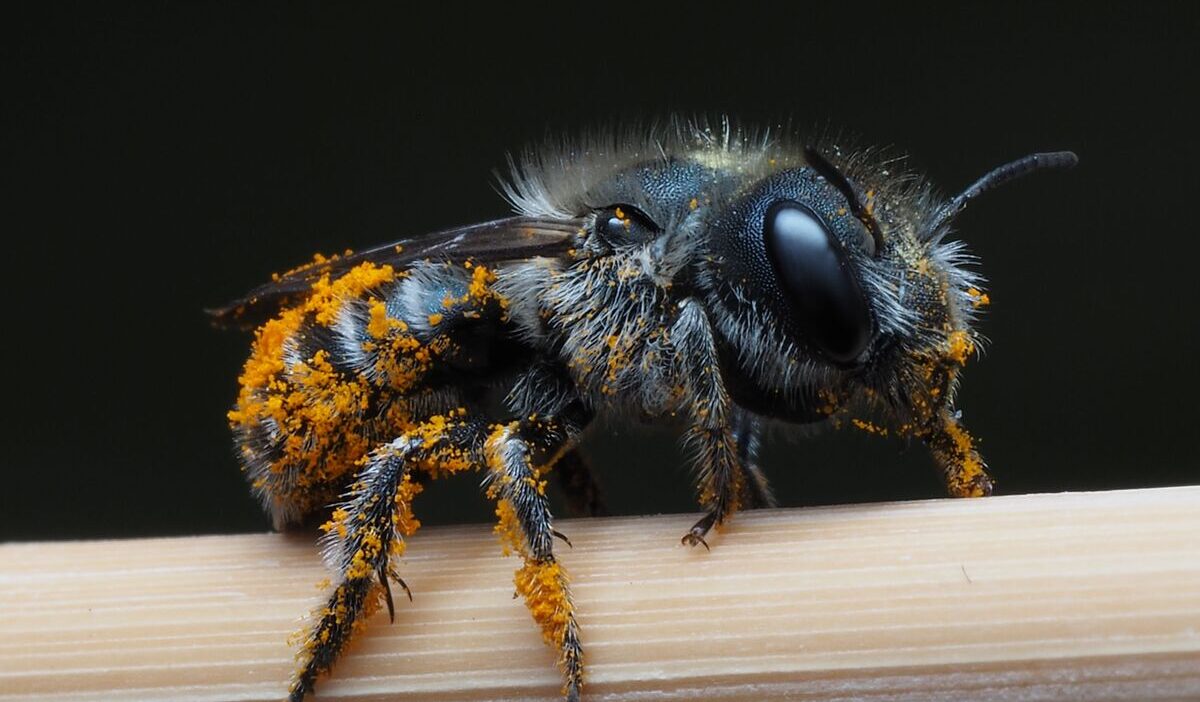
Carpenter bees are valuable pollinators, but repeated nesting can damage exposed wood around eaves, decks, railings, sheds, and outdoor furniture. Unlike termites, carpenter bees do not eat wood.
Females excavate smooth tunnels where they lay eggs and provide pollen for developing larvae. The safest approach to how to get rid of carpenter bees is to discourage nesting without trapping active bees inside the wood.
1. Why Are Carpenter Bees Attracted to Your Property?
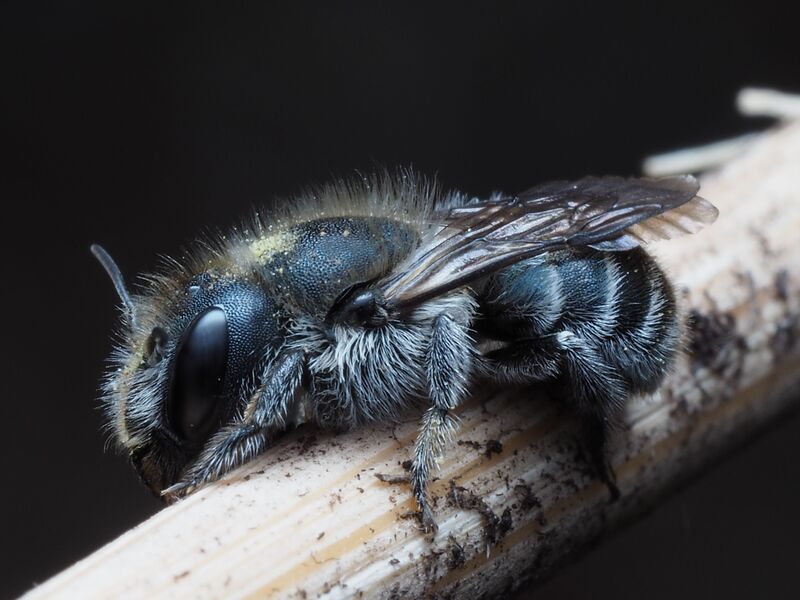
Carpenter bees look similar to bumble bees, but their nesting behavior is different. They are solitary insects that excavate tunnels in suitable wood rather than building social colonies underground.
Inspect the material and location they have selected. The following conditions make certain parts of a property especially appealing.
Unpainted or Weathered Wood
Carpenter bees commonly attack unfinished or weathered wood. Typical nesting sites include roof eaves, fascia boards, windowsills, railings, siding, fences, posts, and wooden outdoor furniture.
A female usually creates a nearly round entrance hole about half an inch wide. After boring approximately one inch into the wood, she turns and continues tunneling along the grain.
Existing tunnels may be reused and enlarged in later years, which can increase damage over time.
Painted surfaces are generally less attractive than bare wood. Stain alone may offer less protection, particularly when bees have already established tunnels.
Sheltered Eaves, Decks and Railings
Carpenter bees favor wood that is protected from heavy rain and direct disturbance. Eaves, porch ceilings, deck supports, railings, trim, and sheltered furniture provide both suitable material and a relatively secure place to rear young.
Look for circular holes, yellowish-brown staining beneath openings, coarse wood particles, and bees repeatedly entering the same location. Woodpeckers may enlarge the damage while attempting to reach developing larvae inside the tunnels.
2. How to Get Rid of Carpenter Bees Naturally?
How to get rid of carpenter bees without killing them? The most practical nonlethal approach is exclusion and prevention, but timing is essential.
Encourage Bees to Leave the Nest
Observe the nesting area from a safe distance and determine whether bees are actively entering or leaving. Carpenter bees commonly reuse tunnels during spring and may produce new adults later in summer. Young adults can return to those tunnels to overwinter.
For a nonlethal approach, avoid sealing active holes during nesting development. Wait until activity has ended and there is reasonable confidence that the tunnel is empty.
Because life-cycle timing varies by climate, a local extension office or experienced pest professional can help identify an appropriate repair period.
Use Nonlethal Repellent Methods
Fresh paint or a durable exterior coating is the most consistently recommended deterrent for exposed wood.
These finishes make surfaces less suitable for new excavation, although they may not force bees out of established nests.
Install Carpenter Bee Houses or Alternative Nesting Blocks
Some homeowners install sacrificial blocks of untreated wood away from the structure. Carpenter bees may excavate their own tunnels in such blocks, but there is no guarantee they will abandon an established nesting area.
General native-bee nesting boxes are mainly designed for smaller cavity-nesting species.
University of Georgia guidance notes that large carpenter bees may visit nesting structures but will drill their own holes rather than reliably using predrilled tubes like mason bees.
3. How to Safely Repair Carpenter Bee Damage?
Repair should begin only after active nesting has ended or the bees have been professionally removed.
Plugging holes too early may trap adults or developing bees inside. Once the tunnel is confirmed inactive:
- Remove loose wood fragments and surface debris.
- Inspect the board for splitting, moisture damage, or structural weakening.
- Fill the entrance and tunnel with exterior-grade wood filler, caulk intended for wood, or a closely fitted wooden dowel.
- Sand the repair after it cures.
- Apply primer and exterior paint or another suitable protective coating over the complete surface.
Penn State Extension recommends filling inactive holes with wood putty or wooden dowels and then painting or varnishing the surface.
Minor isolated tunnels are often cosmetic, but repeated nesting can weaken trim and railings. Replace a board if it is extensively tunneled, cracked, soft, or unable to support its intended load.
Use professional help for high eaves, electrical areas, structural supports, or locations where safe access is difficult.
>>> Read more: How to Get Rid of Roaches at Home: Eliminate the Source of an Infestation
4. How Can You Prevent Carpenter Bees From Coming Back?
Prevention is a critical part because females often reuse old tunnels or begin new ones near previous nesting sites.
The following measures should be completed before the next period of spring activity.
Paint or Seal Exposed Wood
Paint unfinished exterior wood, especially eaves, fascia, trim, railings, posts, and furniture. Cover ends, joints, undersides, and other surfaces that are easy to overlook.
Paint generally provides better deterrence than stain alone. Maintaining the finish is important because weathered or peeling sections may become attractive again.
Repair Old Holes Before Spring
After confirming that old tunnels are empty, fill and finish them before bees begin inspecting nesting sites in spring. An open tunnel offers a convenient starting point and may be enlarged rather than abandoned.
Replace Severely Damaged Boards
Repeated tunneling can create long galleries within a board. Woodpeckers may cause additional surface damage while searching for larvae.
Replace boards that are badly split, extensively excavated, moisture-damaged, or structurally unreliable. Paint replacement lumber before installation when possible, including hidden faces and cut ends.
Monitor High-Risk Areas Regularly
Inspect vulnerable wood in early spring and again during summer. Watch for fresh round holes, staining, wood shavings, or repeated bee activity.
>>> Read more: How to Get Rid of Fruit Flies and Keep Them From Coming Back
5. Final Thoughts
The key to how to get rid of carpenter bees is balancing property protection with the bees’ role as pollinators. Avoid sealing active nests without checking whether adults or young remain inside.
Wait for tunnels to become inactive, repair the holes carefully, and protect exposed wood with a durable painted finish. Alternative nesting blocks may be worth trying, but they should not replace repair, painting, and routine inspection.