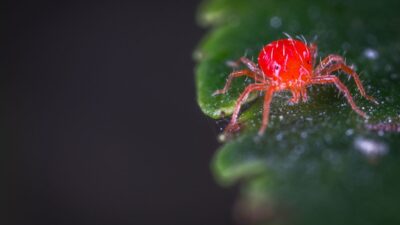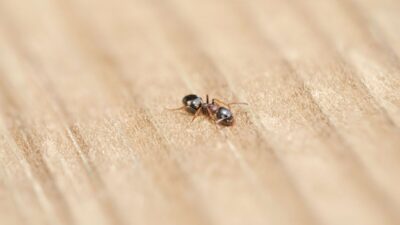
Tiny flying insects around houseplants, fruit bowls, sinks, or drains are often grouped together as “gnats,” but they may not all be the same pest. Fungus gnats, fruit flies, and drain flies have different breeding sites, so using the wrong trap or spray can leave the real source untouched.
The most effective approach to how to get rid of gnats in the house is to identify the insect first, remove the breeding material, and then use traps or targeted treatments to reduce the adults that remain. Treating only the flying stage rarely solves the problem for long.
1. Find Out What Type of Gnat You Have
The first step in how to get rid of gnats in the house is figuring out where the insects are spending most of their time. Location often gives a better clue than size alone.
Fungus Gnats
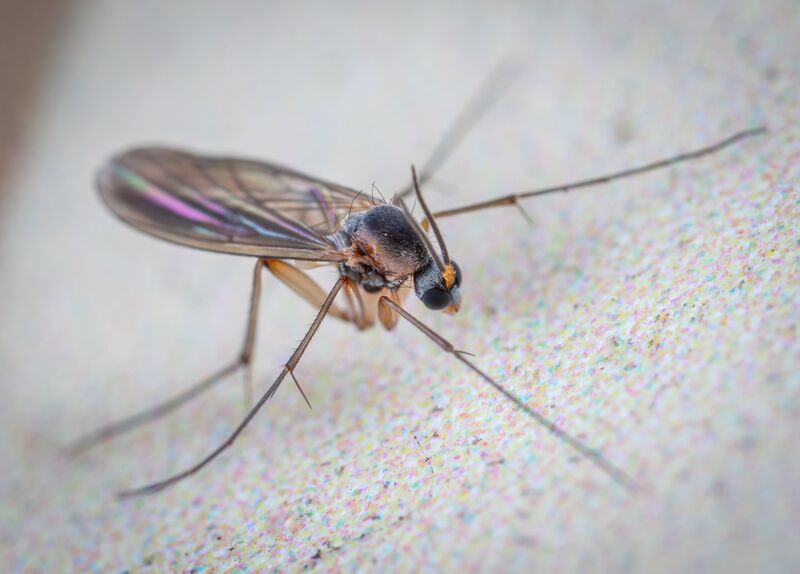
Fungus gnats are small, dark flies commonly seen around houseplants. Their larvae develop in moist potting mix and feed mainly on fungi, algae, decaying organic material, and sometimes fine roots.
Adult fungus gnats are usually about 1/8 inch long, while their larvae may reach roughly 1/4 inch. The complete life cycle can take about three to four weeks under typical indoor conditions.
Fruit Flies
Fruit flies are usually tan to light brown and gather around overripe fruit, beverage residue, recycling, compost, or fermenting food.
They develop quickly. Under warm indoor conditions, the life cycle can be completed in roughly eight to ten days, which explains why a few adults can become a noticeable infestation so quickly.
Drain Flies
Drain flies are small, fuzzy insects with broad wings that may look moth-like when resting. Their larvae develop in the slimy organic film lining drains, traps, sewage lines, and other wet plumbing areas.
The entire life cycle may take about one to three weeks, depending on temperature and available organic material.
If flies repeatedly rest on bathroom walls or near sinks and showers, inspect the drain rather than setting fruit-fly traps across the room.
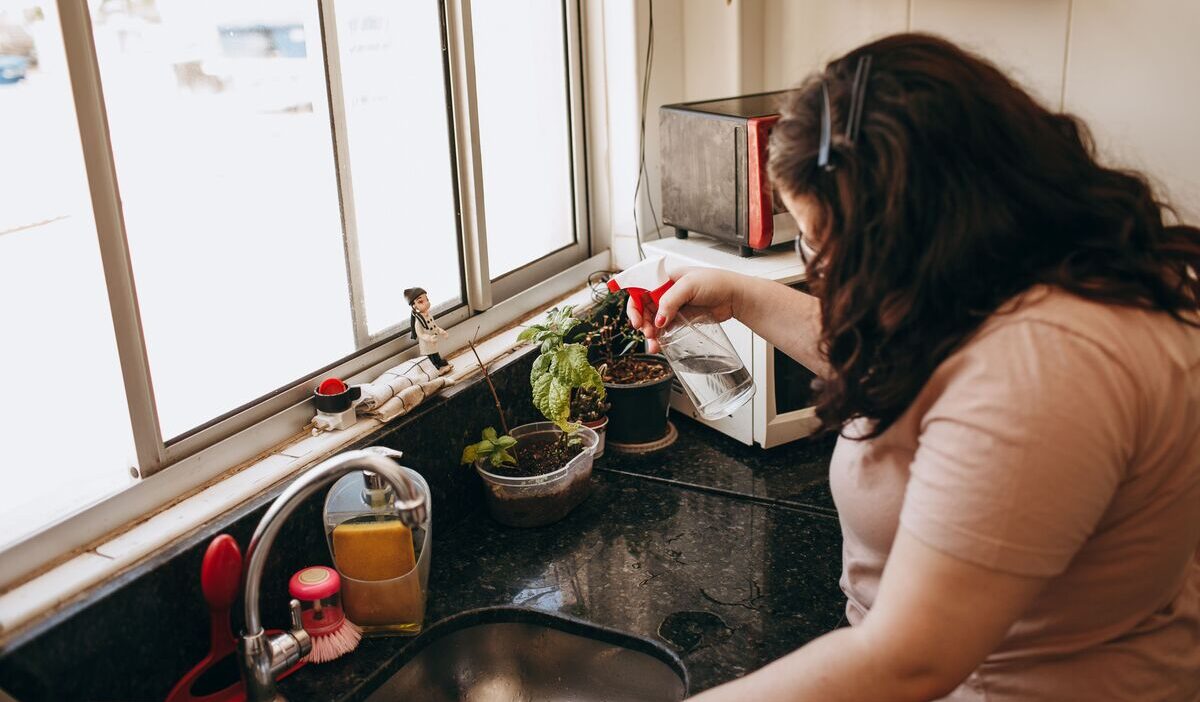
2. Treat the Source, Not Just the Flying Gnats
A trap may catch dozens of adults while hundreds of eggs or larvae remain hidden in soil, fermenting food, or plumbing film.
With fungus gnats, allowing the top one to two inches of potting mix to dry between waterings can significantly reduce egg and larval survival.
For drain flies, pouring bleach or hot water alone is often less effective than physically scrubbing the drain walls, because larvae live inside the organic layer rather than simply in standing water.
3. How to Get Rid of Gnats in the House
Once the breeding source is identified, use a simple sequence rather than trying several random treatments at once. Start with these steps:
- Remove spoiled food, trash, and decaying plant material.
- Dry overly wet houseplant soil.
- Empty water from plant saucers and decorative pots.
- Scrub drains where organic buildup is visible.
- Vacuum adult flies near windows or counters.
- Place the correct trap close to the suspected source.
- Continue monitoring until adult numbers remain low for at least several days.
For fruit flies, sanitation usually matters more than insecticide. Once fermenting material is removed, the remaining adults can be trapped or vacuumed.
For drain flies, focus on removing the organic film. If flies continue after thorough cleaning, inspect for plumbing leaks, broken drains, or hidden sewage-related moisture.
>>> Read more: How to Get Rid of Roaches Overnight Without Making the Infestation Worse
4. Which Gnat Traps Actually Help?
Different traps work for different insects. Using the right one can help confirm the species and reduce adult numbers while the breeding source is being treated.
Sticky Traps
Yellow sticky cards are particularly useful for fungus gnats. Place them horizontally near the soil surface or vertically beside affected plants.
They catch adults and help reveal which pots are producing the most insects. Sticky cards do not affect larvae in the soil, so they should be used as a monitoring tool rather than a complete treatment.
Vinegar Traps
Apple cider vinegar works best for fruit flies because they are attracted to fermenting odors.
A small container with vinegar and a drop of dish detergent can capture adults by reducing the liquid’s surface tension. Vinegar traps are much less useful for fungus gnats and do not solve drain-fly breeding.
Commercial Traps
Commercial traps may use sticky surfaces, UV light, fermentation lures, or species-specific attractants.
They can be useful for monitoring or reducing adults, but always match the product to the target insect. A trap marketed for fruit flies will not solve a fungus gnat problem developing in wet potting soil.
Avoid placing highly attractive traps directly beside food-preparation or seating areas if they could pull more insects toward people.
5. What Not to Do When Treating Gnats
Avoid mixing bleach, vinegar, ammonia, or other household cleaners. Some combinations can release dangerous gases. Several common mistakes can prolong an infestation.
| Mistake | Why It Fails | Better Approach |
|---|---|---|
| Using one trap for every type of gnat | Different species have different breeding sources | Identify the insect first |
| Spraying only the adults | Larvae remain hidden | Treat soil, drains, or food waste |
| Overwatering houseplants | Keeps fungus gnat habitat moist | Let the upper soil layer dry |
| Pouring random chemicals into drains | May not remove the breeding film | Scrub drains mechanically |
| Leaving recycling unrinsed | Fermenting residue attracts fruit flies | Rinse cans and bottles |
| Using too many DIY mixtures | Can damage plants or surfaces | Use tested, labeled treatments |
| Stopping treatment too early | Pupae may continue emerging | Monitor through at least one life cycle |
6. Keep Gnats From Starting Another Infestation
Prevention is the final stage of how to get rid of gnats in the house.
For houseplants, water only when needed, use pots with drainage holes, empty saucers, and remove dead leaves. New plants should be inspected and, when practical, isolated before joining the rest of the collection.
In the kitchen, refrigerate ripe produce when appropriate, clean beverage spills immediately, rinse recycling, and take out trash frequently.
Maintain drains by removing hair, grease, and organic buildup. Repair leaks under sinks and around plumbing, especially when small flies repeatedly appear from the same room.
Screens and door seals also matter. Very small flies can enter through damaged screens or gaps, although persistent indoor breeding usually points to a source already inside.
>>> Read more: How to Get Rid of Gnats in the House Quickly Without Treating the Wrong Source
7. Final Thoughts
The best answer to how to get rid of gnats in the house is to stop treating every tiny fly as the same pest.
Fungus gnats point to damp potting soil, fruit flies usually indicate fermenting food or beverage residue, and drain flies point to organic buildup inside plumbing. Once the source is identified, sticky traps, vinegar traps, Bti, drain cleaning, and other targeted methods become much more effective.