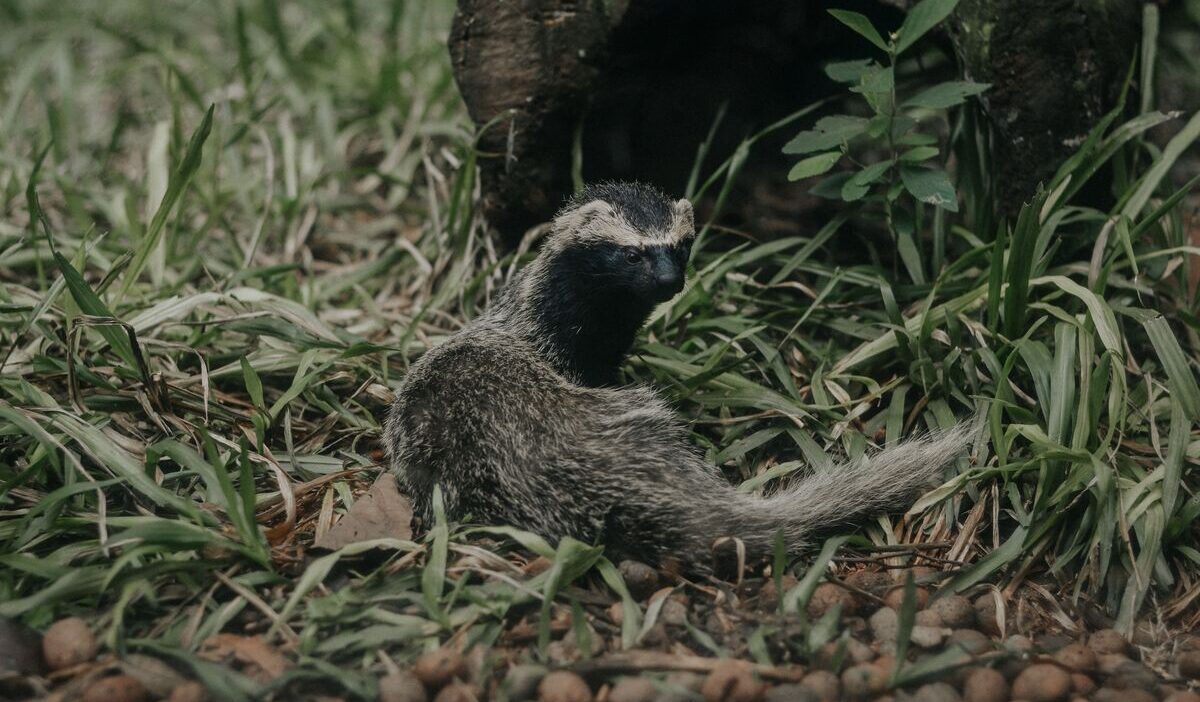
Skunks usually visit residential properties because they have found food, water, shelter, or a protected place to build a den. Trash, pet food, fallen fruit, grubs, woodpiles, crawl spaces, and openings beneath decks can all make a yard attractive.
How to get rid of skunks? Remove those attractants and use exclusion rather than approaching, chasing, or trapping the animal yourself. Skunks can spray when frightened, and they are among the wild animals that can carry rabies in the United States.
1. Why Are Skunks Coming to Your Property?
Skunks are mostly active between sunset and sunrise. They may enter yards while searching for insects, grubs, fallen fruit, pet food, garbage, eggs, small animals, or other easy meals.
They also look for protected daytime shelters. Common denning areas include spaces beneath decks, porches, sheds, garages, foundations, woodpiles, and dense vegetation.
A property that combines food with an accessible hiding place is more likely to experience repeat visits.
Odor alone does not prove that a skunk is living beneath the house. A passing skunk may have sprayed nearby, or another animal may have carried the odor onto the property.
2. How to Get Rid of Skunks?
So, how to get rid of skunks? Determine whether the animal is simply foraging in the yard or repeatedly entering a den beneath a structure.
Do not approach, corner, chase, or surprise a skunk. Keep children and pets indoors while the animal is nearby.
If it appears unusually aggressive, disoriented, excessively tame, or active during the day without an obvious reason, contact animal control rather than attempting removal.
Get Rid of Skunks in Your Yard
How to get rid of skunks in your yard? To get rid of them, begin by removing easy food and shelter:
- Secure garbage and compost with tight lids.
- Bring pet food and water indoors at night.
- Pick up fallen fruit and spilled birdseed.
- Remove brush, boards, debris, and low hiding places.
- Repair irrigation leaks and standing-water problems.
- Block access to poultry feed, eggs, and animal enclosures.
- Use fencing around small gardens where damage continues.
Get Rid of Skunks Under House
How to get rid of skunks under house? The process requires extra care because sealing an occupied den can trap an adult or dependent young inside.
First, confirm whether the entrance is active. Smooth the soil or sprinkle a thin layer of sand or flour near the opening, then check for fresh tracks after dark. Skunks normally leave dens at night to forage.
>>> Read more: How to Get Rid of Chipmunks Without Damaging Your Landscape
3. What Methods Can Remove Skunks Safely?
The safest method depends on whether the skunk is visiting temporarily or living beneath a structure.
| Situation | Preferred Response |
|---|---|
| Occasional yard visitor | Remove food, water, and shelter |
| Active den under a structure | Use timed one-way exclusion |
| Skunk trapped in a garage | Open an exit and leave the area quiet |
| Skunk trapped in a window well | Provide a rough escape board |
| Sick or unusually aggressive skunk | Call animal control |
| Trapping may be required | Contact a licensed wildlife professional |
If a skunk enters a garage, cellar, or similar enclosed space, Penn State recommends opening a clear exit and allowing the animal to leave without prodding it.
A skunk trapped in a window well may climb out using a board fitted with horizontal strips for traction.
4. How Can You Tell Whether a Skunk Den Is Still Active?
A den should not be sealed until you are confident that no skunk remains inside. To check activity:
- Smooth loose soil around the entrance.
- Sprinkle sand or flour across the opening.
- Look for fresh tracks the next morning.
- Watch from a protected location after sunset.
- Check for newly moved leaves, soil, or debris.
- Use a motion-activated camera if available.
Repeat the check for several nights rather than relying on one observation. A skunk may remain underground during severe weather or periods of low activity.
5. How to Keep Skunks From Coming Back?
Once the skunk has left, prevention should make the property less rewarding and block access to future den sites.
Secure Trash, Compost, and Pet Food
Use sturdy containers with tight lids. Do not leave pet food, livestock feed, barbecue residue, or food scraps outdoors overnight.
Clean spilled birdseed and pick up fallen fruit. Compost systems should be enclosed and maintained so animals cannot reach food waste easily.
Remove Hiding Places
Move woodpiles, boards, brush, and unused building materials away from decks and foundations. Trim dense vegetation near the house and remove debris that provides protected daytime shelter.
Block Access Under Structures
After confirming that a den is empty, close gaps beneath porches, decks, sheds, steps, and foundations.
Use durable hardware cloth or metal mesh. Missouri Extension recommends burying barriers approximately 12 to 18 inches where digging is possible and bending the bottom outward to create an L-shaped barrier.
6. What Should You Avoid When Dealing With Skunks?
Several common responses can increase the risk of spraying, injury, or trapping an animal inside a structure.
| Avoid | Why It Is a Problem |
|---|---|
| Chasing or cornering the skunk | It may spray or defend itself |
| Sealing an active den | Adults or young may become trapped |
| Using poison | It may be illegal, unsafe, and harmful to other animals |
| Relocating a trapped skunk without guidance | Regulations and rabies concerns vary |
| Allowing pets to investigate | Pets may be sprayed, bitten, or exposed to disease |
| Approaching a strangely behaving skunk | Abnormal behavior can indicate illness |
| Using gasoline, smoke, or fire | These methods are dangerous and inhumane |
If a person is bitten or scratched, wash the wound thoroughly with soap and water for 15 minutes and contact a healthcare provider or local health department immediately.
>>> Read more: How to Get Rid of Moles and Protect Your Lawn and Yard
7. Final Thoughts
How to get rid of skunks? Remove food and shelter, confirm whether a den is active, and use exclusion only after the animals have safely left.
For yard visitors, secure trash, pet food, compost, and fallen produce. For animals beneath a house, porch, or shed, use careful monitoring and a professionally installed one-way door when appropriate.